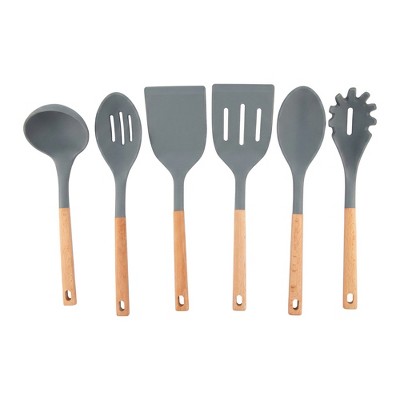
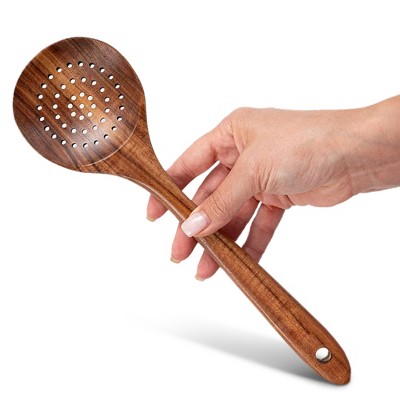
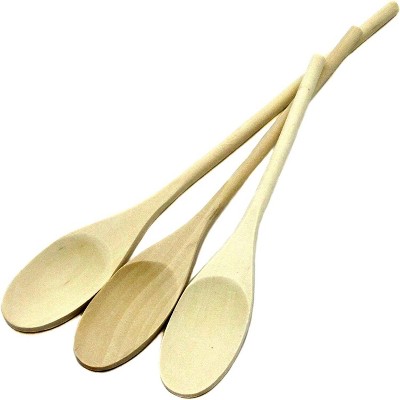
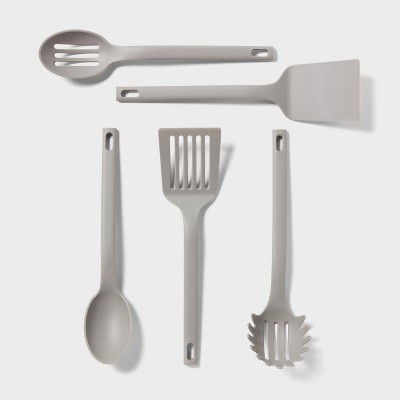
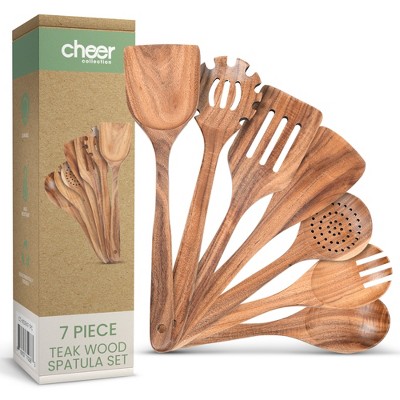
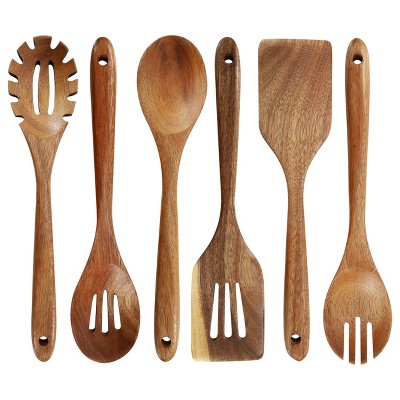
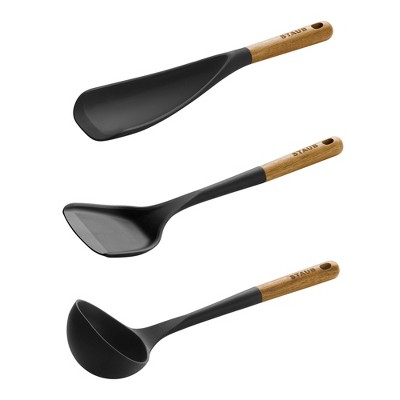
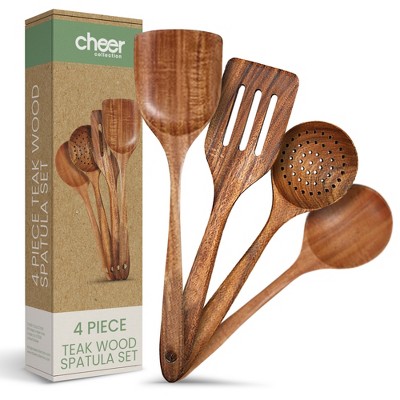
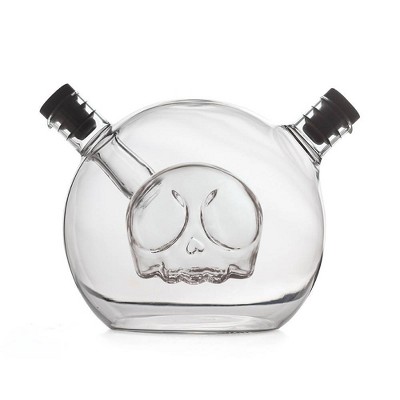
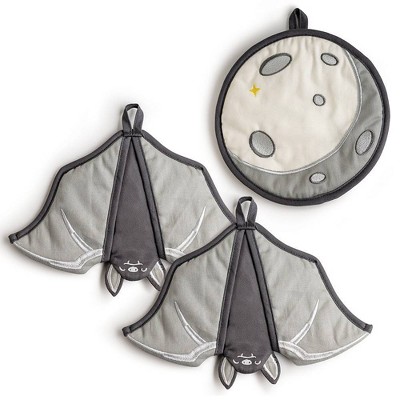
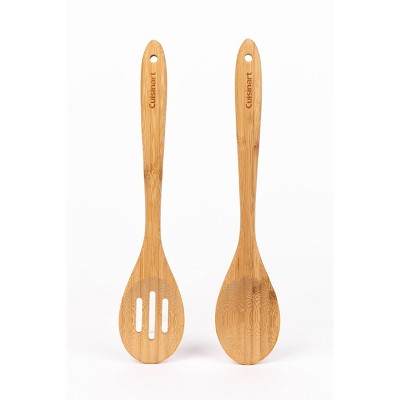
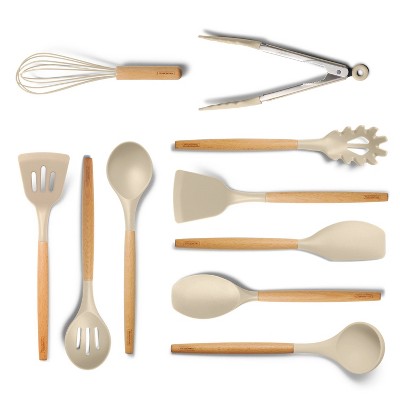
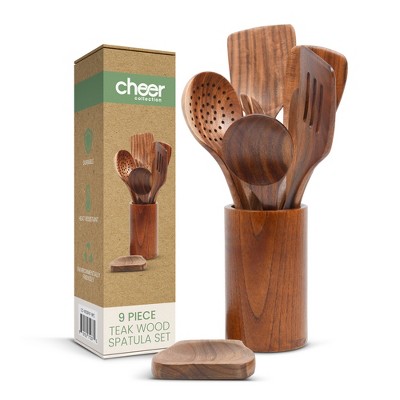
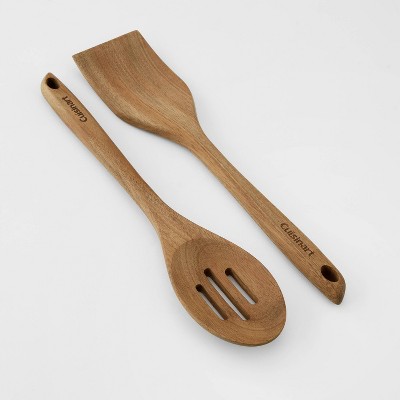
Common woods used across these items include teak, acacia, beech (beechwood), and olivewood, along with other general hardwood constructions noted in listings.
Yes — several listings explicitly describe the tools as nonstick- or enamel-friendly. Solid wood or unibody designs are noted for providing gentle contact that helps protect coated surfaces from scratches.
Some items are lacquered or stained for finish. A few listings note Forest Stewardship Council (FSC) certification for the wood.
Small wooden scoops are listed with a capacity of about 57 ml (1.92 oz) per scoop. The adjustable rolling pin includes rings for set thicknesses (two 1/16 in, two 1/8 in, two 1/4 in, two 3/8 in) and etched measurements to control dough thickness.
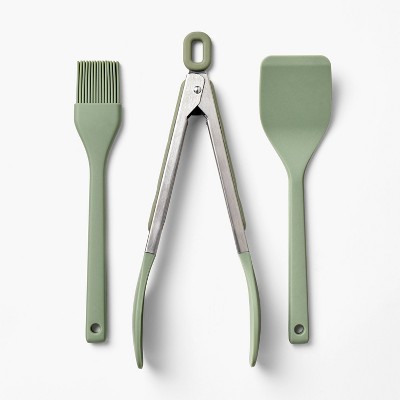
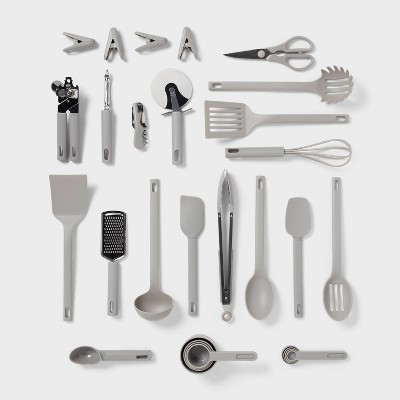
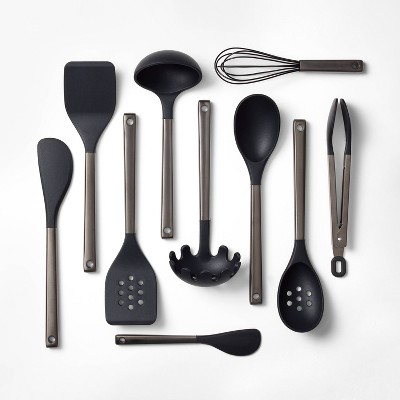
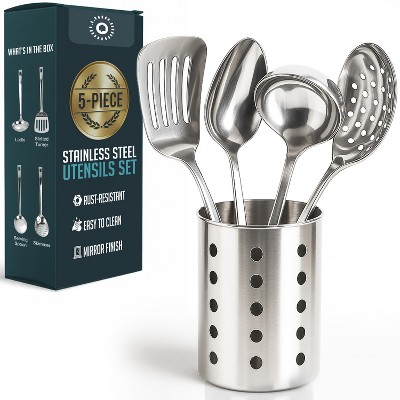
Common pairings include silicone heads (often heat-resistant) and stainless steel components for some hybrid tools, so silicone and stainless steel frequently accompany wood in these items.