New ArrivalsEasterClothing, Shoes & AccessoriesHomeKitchen & DiningOutdoor Living & GardenFurnitureGroceryHousehold EssentialsBabyBeautyPersonal CareHealthWellnessBackpacks & LuggageSports & OutdoorsToysElectronicsVideo GamesMovies, Music & BooksSchool & Office SuppliesParty SuppliesGift IdeasGift CardsPetsUlta Beauty at TargetShop by CommunityTarget OpticalDealsClearanceTarget New ArrivalsRoller Rabbit x TargetEasterHome Decor Ideas & TrendsTop DealsTarget Circle DealsWeekly AdShop Order PickupShop Same Day DeliveryRegistryRedCardTarget CircleFind Stores
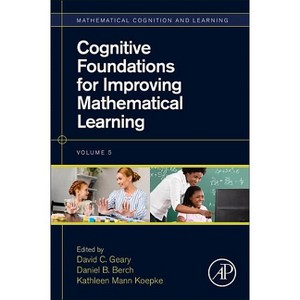
Cognitive Foundations for Improving Mathematical Learning - (Mathematical Cognition and Learning (Print)) (Paperback) - 1 of 1

Cognitive Foundations for Improving Mathematical Learning - (Mathematical Cognition and Learning (Print)) (Paperback)

$150.00

In Stock

Free & easy returns

Free & easy returns

Return this item by mail or in store within 90 days for a full refund.
Eligible for registries and wish lists

About this item

Highlights

  • The fifth volume in the Mathematical Cognition and Learning series focuses on informal learning environments and other parental influences on numerical cognitive development and formal instructional interventions for improving mathematics learning and performance.
  • Author(s): David C Geary & Daniel B Berch & Kathleen Mann Koepke
  • 377 Pages
  • Psychology, Applied Psychology
  • Series Name: Mathematical Cognition and Learning (Print)

Description


About the Book


The fifth volume in the Mathematical Cognition and Learning series focuses on informal learning environments and other parental influences on numerical cognitive development and formal instructional interventions for improving mathematics learning and performance. The chapters cover the use of numerical play and games for improving foundational number knowledge as well as school math performance, the link between early math abilities and the approximate number system, and how families can help improve the early development of math skills. The book goes on to examine learning trajectories in early mathematics, the role of mathematical language in acquiring numeracy skills, evidence-based assessments of early math skills, approaches for intensifying early mathematics interventions, the use of analogies in mathematics instruction, schema-based diagrams for teaching ratios and proportions, the role of cognitive processes in treating mathematical learning difficulties, and addresses issues associated with intervention fadeout.--


Book Synopsis


The fifth volume in the Mathematical Cognition and Learning series focuses on informal learning environments and other parental influences on numerical cognitive development and formal instructional interventions for improving mathematics learning and performance. The chapters cover the use of numerical play and games for improving foundational number knowledge as well as school math performance, the link between early math abilities and the approximate number system, and how families can help improve the early development of math skills. The book goes on to examine learning trajectories in early mathematics, the role of mathematical language in acquiring numeracy skills, evidence-based assessments of early math skills, approaches for intensifying early mathematics interventions, the use of analogies in mathematics instruction, schema-based diagrams for teaching ratios and proportions, the role of cognitive processes in treating mathematical learning difficulties, and addresses issues associated with intervention fadeout.

Dimensions (Overall): 9.0 Inches (H) x 6.0 Inches (W) x .78 Inches (D)
Weight: 1.11 Pounds
Suggested Age: 22 Years and Up
Number of Pages: 377
Genre: Psychology
Sub-Genre: Applied Psychology
Series Title: Mathematical Cognition and Learning (Print)
Publisher: Academic Press
Format: Paperback
Author: David C Geary & Daniel B Berch & Kathleen Mann Koepke
Language: English
Street Date: January 8, 2019
TCIN: 1009183973
UPC: 9780128159521
Item Number (DPCI): 247-19-1180
Origin: Made in the USA or Imported
If the item details aren’t accurate or complete, we want to know about it.

Shipping details

Estimated ship dimensions: 0.78 inches length x 6 inches width x 9 inches height
Estimated ship weight: 1.11 pounds
We regret that this item cannot be shipped to PO Boxes.
This item cannot be shipped to the following locations: American Samoa (see also separate entry under AS), Guam (see also separate entry under GU), Northern Mariana Islands, Puerto Rico (see also separate entry under PR), United States Minor Outlying Islands, Virgin Islands, U.S., APO/FPO, Alaska, Hawaii

Return details

This item can be returned to any Target store or Target.com.
This item must be returned within 90 days of the date it was purchased in store, delivered to the guest, delivered by a Shipt shopper, or picked up by the guest.
See the return policy for complete information.

Q: What age group is this book suitable for?

submitted by AI Shopping Assistant - 2 days ago
  • A: The book is suggested for readers aged 22 years and up.

    submitted byAI Shopping Assistant - 2 days ago
    Ai generated

Q: Who are the authors of the book?

submitted by AI Shopping Assistant - 2 days ago
  • A: The book is authored by David C Geary, Daniel B Berch, and Kathleen Mann Koepke.

    submitted byAI Shopping Assistant - 2 days ago
    Ai generated

Q: What type of book is this classified as?

submitted by AI Shopping Assistant - 2 days ago
  • A: This book is classified under psychology, specifically in applied psychology focusing on mathematical cognition.

    submitted byAI Shopping Assistant - 2 days ago
    Ai generated

Q: What is the focus of this volume in the series?

submitted by AI Shopping Assistant - 2 days ago
  • A: This volume emphasizes informal learning environments and parental influences on numerical cognitive development and formal instructional interventions.

    submitted byAI Shopping Assistant - 2 days ago
    Ai generated

Q: What topics are covered in the chapters?

submitted by AI Shopping Assistant - 2 days ago
  • A: Topics include early math abilities, use of games, learning trajectories, and cognitive processes in math learning.

    submitted byAI Shopping Assistant - 2 days ago
    Ai generated

Additional product information and recommendations

Get top deals, latest trends, and more.

Privacy policy

Footer

About Us

About TargetCareersNews & BlogTarget BrandsBullseye ShopSustainability & GovernancePress CenterAdvertise with UsInvestorsAffiliates & PartnersSuppliersTargetPlus

Help

Target HelpReturnsTrack OrdersRecallsContact UsFeedbackAccessibilitySecurity & FraudTeam Member ServicesLegal & Privacy

Stores

Find a StoreClinicPharmacyTarget OpticalMore In-Store Services

Services

Target Circle™Target Circle™ CardTarget Circle 360™Target AppRegistrySame Day DeliveryOrder PickupDrive UpFree 2-Day ShippingShipping & DeliveryMore Services
PinterestFacebookInstagramXYoutubeTiktokTermsCA Supply ChainPrivacy PolicyCA Privacy RightsYour Privacy ChoicesInterest Based AdsHealth Privacy Policy