Sponsored
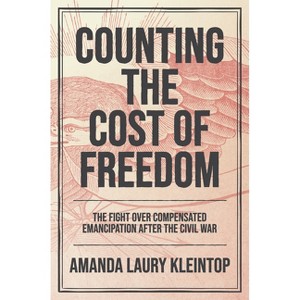
Counting the Cost of Freedom - (Civil War America) by Amanda Laury Kleintop
In Stock
Sponsored
About this item
Highlights
- During the Civil War, the US government abolished slavery without reimbursing enslavers, diminishing the white South's wealth by nearly 50 percent.
- About the Author: Amanda Laury Kleintop is assistant professor of history at Elon University.
- 272 Pages
- History, United States
- Series Name: Civil War America
Description
About the Book
"During the Civil War, the US government abolished slavery without reimbursing enslavers, diminishing the white South's wealth by nearly 50 percent. After the Confederacy's defeat, white Southerners demanded federal compensation for the financial value of formerly enslaved people and fought for other policies that would recognize abolition's costs during Reconstruction. As Amanda Laury Kleintop shows, their persistence eventually led to the creation of Section 4 of the Fourteenth Amendment, which abolished the right to profit from property in people. Surprisingly, former Confederates responded by using Lost Cause history-making to obscure the fact that they had demanded financial redress in the first place. The largely successful efforts of white southerners to erase this history continues to generate false understandings today. Kleintop draws from an impressive array of archival sources to uncover this lost history. In doing so, she demonstrates how this legal battle also undermined efforts by formerly enslaved people to receive reparations for themselves and their descendants--a debate that persists in today's national dialogue"-- Provided by publisher.Book Synopsis
During the Civil War, the US government abolished slavery without reimbursing enslavers, diminishing the white South's wealth by nearly 50 percent. After the Confederacy's defeat, white Southerners demanded federal compensation for the financial value of formerly enslaved people and fought for other policies that would recognize abolition's costs during Reconstruction. As Amanda Laury Kleintop shows, their persistence eventually led to the creation of Section 4 of the Fourteenth Amendment, which abolished the right to profit from property in people. Surprisingly, former Confederates responded by using Lost Cause history-making to obscure the fact that they had demanded financial redress in the first place. The largely successful efforts of white Southerners to erase this history continues to generate false understandings today.
Kleintop draws from an impressive array of archival sources to uncover this lost history. In doing so, she demonstrates how this legal battle also undermined efforts by formerly enslaved people to receive reparations for themselves and their descendants--a debate that persists in today's national dialogue.
Review Quotes
"Amanda Kleintop's compelling and well-argued book tells us an important but largely forgotten story about the decision to forbid compensation for emancipation in the aftermath of the Civil War. Kleintop's work reveals truths long buried about how contested and contingent uncompensated emancipation really was."--Cynthia Nicoletti, University of Virginia
"Kleintop gives her readers a rich, deeply researched account of how slavery really came to an end in the United States. A compelling story that explains how Americans constructed a postwar world that owed the enslaved nothing."--Joanna Cohen, Queen Mary University of London
About the Author
Amanda Laury Kleintop is assistant professor of history at Elon University.Shipping details
Return details
Frequently bought together




Trending Non-Fiction




Discover more options