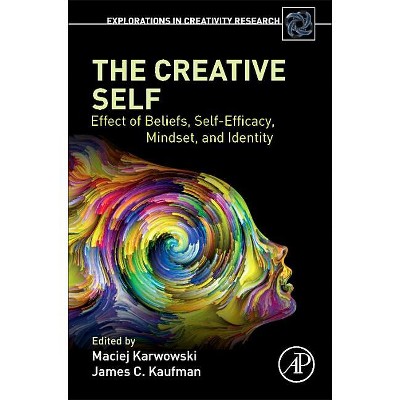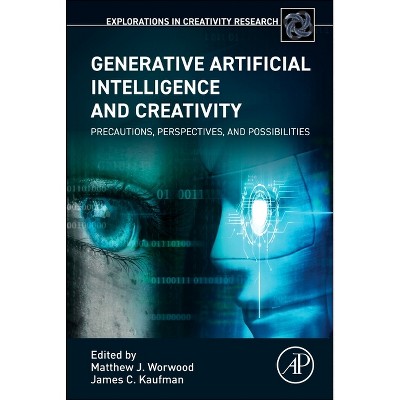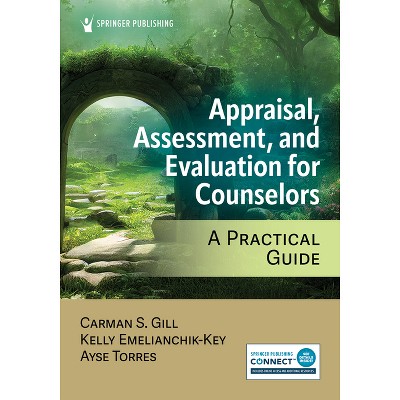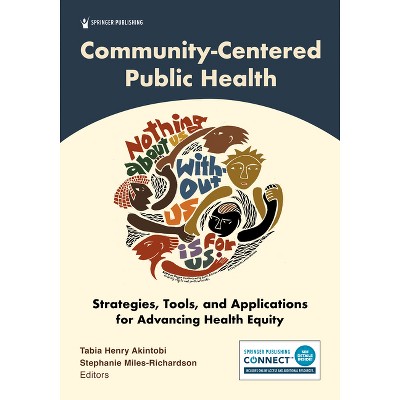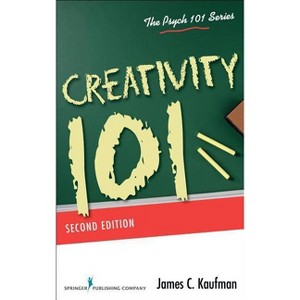
What is creativity? How does it work? How does it flourish in individuals and organizations? Now in its second edition, this bestselling introductory text--written by one of the world's leading experts on the psychology of creativity--is completely updated and expanded to reflect the tremendous growth in this field. In a redesigned, reader-friendly format, the text surveys the latest theories and research to provide key information about what we know (and don't know) about creativity including its many definitions and measures. It addresses how creativity operates on individual and social/environmental levels, and the effects and outcomes of the creative mind. This much-praised book is an ideal brief text for courses on creativity in psychology, education, business, and other fields, as well as cross-disciplinary seminars and programs in creativity studies.
Book Synopsis
What makes us creative? How can organizations, schools, or parents inspire people to be more creative? How do we even start to define the topic in thefirst place? Now in its second edition, this bestselling introductory text'Äîwritten by one of the world'Äôs leading experts on the psychology of creativity'Äîiscompletely updated and expanded to reflect the tremendous growth in this field. In a restructured, reader-friendly format, the text surveys the latesttheories and research to provide key information about what we know (and don'Äôt know) about creativity. It addresses how creativity operates both onindividual and on social/environmental levels, how it is defined and measured, and several hot debates in the field, such as creativity'Äôs uncertainrelationship to mental illness. Grounded in psychological research from clinical, industrial, social, cognitive, evolutionary, and developmentalperspectives, this text also draws on classic and current findings from neuroscience, business, education, engineering, and biology.
This much-praised book is an ideal brief and affordable text for courses on creativity in psychology, education, business, and other fields, as well ascross-disciplinary seminars and programs in creativity studies.
New to the Second Edition:
Completely updated and expanded with new theories and frameworks and including the latest research
Restructured to enhance flow of information and ease of use
New coverage of how creativity can be improved at the level of the individual and the environment, measuring creativity, and creativity across cultures
Dimensions (Overall): 8.0 Inches (H) x 5.0 Inches (W) x .9 Inches (D)
Weight: .9 Pounds
Suggested Age: 22 Years and Up
Number of Pages: 368
Genre: Psychology
Sub-Genre: Creative Ability
Publisher: Springer Publishing Company
Format: Paperback
Author: James C Kaufman
Language: English
Street Date: March 18, 2016
TCIN: 83220586
UPC: 9780826129529
Item Number (DPCI): 247-50-3627
Origin: Made in the USA or Imported
If the item details aren’t accurate or complete, we want to know about it.
Shipping details
Estimated ship dimensions: 0.9 inches length x 5 inches width x 8 inches height
Estimated ship weight: 0.9 pounds
We regret that this item cannot be shipped to PO Boxes.
This item cannot be shipped to the following locations: American Samoa (see also separate entry under AS), Guam (see also separate entry under GU), Northern Mariana Islands, Puerto Rico (see also separate entry under PR), United States Minor Outlying Islands, Virgin Islands, U.S., APO/FPO, Alaska, Hawaii
Return details
This item can be returned to any Target store or Target.com.
This item must be returned within 90 days of the date it was purchased in store, delivered to the guest, delivered by a Shipt shopper, or picked up by the guest.