Target New ArrivalsFourth of JulyBack to SchoolCollegeClothing, Shoes & AccessoriesHome & DecorKitchen & DiningOutdoor Living & GardenGroceryHousehold EssentialsBabyBeautyPersonal CareSports & OutdoorsHealthWellnessSchool & Office SuppliesToys & GamesElectronicsVideo GamesMovies, Music & BooksParty SuppliesGift IdeasGift CardsPetsUlta Beauty at TargetShop by CommunityTarget OpticalDealsClearanceNew ArrivalsBack to SchoolCollegeTop DealsTarget Circle DealsWeekly AdShop Order PickupShop Same Day DeliveryRegistryRedCardTarget CircleFind Stores
The Blind Man - (Thinking from Elsewhere) by  Robert Desjarlais (Paperback) - 1 of 1

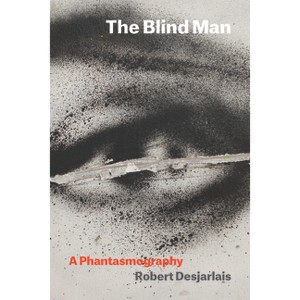
The Blind Man - (Thinking from Elsewhere) by Robert Desjarlais (Paperback)

$33.49Save $2.51 (7% off)

In Stock

Free & easy returns
Free & easy returns
Return this item by mail or in store within 90 days for a full refund.
Eligible for registries and wish lists

About this item

Highlights

  • The Blind Man: A Phantasmography examines the complicated forces of perception, imagination, and phantasms of encounter in the contemporary world.
  • About the Author: Robert Desjarlais is an award-winning anthropologist and writer teaching at Sarah Lawrence College.
  • 232 Pages
  • Photography, Criticism
  • Series Name: Thinking from Elsewhere

Description


Book Synopsis


The Blind Man: A Phantasmography examines the complicated forces of perception, imagination, and phantasms of encounter in the contemporary world. In considering photographs he took while he was traveling in France, anthropologist and writer Robert Desjarlais reflects on a few pictures that show the features of a man, apparently blind, who begs for money at a religious site in Paris, frequented by tourists. In perceiving this stranger and the images his appearance projects, he begins to imagine what this man's life is like and how he perceives the world around him.

Written in journal form, the book narrates Desjarlais's pursuit of the man portrayed in the photographs. He travels to Paris and tries to meet with him. Eventually, Desjarlais becomes unsure as to what he sees, hears, or remembers. Through these interpretive dilemmas he senses the complexities of perception, where all is multiple, shifting, spectral, a surge of phantasms in which the actual and the imagined are endlessly blurred and intertwined. His mind shifts from thinking about photographs and images to being fixed on the visceral force of apparitions. His own vision is affected in a troubling way.

Composed of an intricate weave of text and image, The Blind Man attends to pressing issues in contemporary life: the fraught dimensions of photographic capture; encounters with others and alterity; the politics of looking; media images of violence and abjection; and the nature of fantasy and imaginative construal. Through a wide-ranging inquiry into histories of imagination, Desjarlais inscribes the need for a "phantasmography"--a writing of phantasms, a graphic inscription of the flows and currents of fantasy and fabulation.


From the Back Cover


"A compelling read, with thought-provoking insights on the nature of photography and visuality. Written as though a diary, the book combines extended visual analysis of personal photographs with keen observations about the slipperiness of perception and identity and the notion of the other."--Frederick Gross, author of Diane Arbus's 1960s

"Emerging from an unknown body, enthralling images, and lacerating silences, The Blind Man is written with the force of literature. Desjarlais's fierce masterpiece reawakens anthropology's sense of wonder with the affective, spectral nature of worldly encounters. A transformational book."--João Biehl, coeditor of Unfinished: The Anthropology of Becoming

The Blind Man: A Phantasmography examines the complicated forces of perception, imagination, and phantasms of encounter in the contemporary world. In considering photographs he took while he was traveling in France, anthropologist and writer Robert Desjarlais reflects on a few pictures that show the features of a man, apparently blind, who begs for money at a religious site in Paris. In perceiving this stranger and the images his appearance projects, he begins to imagine what this man's life is like and how he perceives the world around him.

Written in journal form, the book narrates Desjarlais's pursuit of the man portrayed in the photographs. He travels to Paris and tries to meet with him. Eventually, Desjarlais becomes unsure as to what he sees, hears, or remembers. Through these interpretive dilemmas he senses the complexities of perception, where all is multiple, shifting, spectral, a surge between the actual and the imagined. His own vision is affected.

Weaving together text and image, The Blind Man attends to pressing issues in contemporary life: the fraught dimensions of photographic capture; encounters with others and alterity; the politics of looking; media images of violence and abjection; and the nature of fantasy and imaginative construal. Through a wide-ranging inquiry into histories of imagination, Desjarlais inscribes the need for a "phantasmography"--a writing of phantasms, a graphic inscription of the flows and currents of fantasy and fabulation.

Robert Desjarlais is an award-winning anthropologist and writer teaching at Sarah Lawrence College. His many books include Subject to Death: Life and Loss in a Buddhist World and Counterplay: An Anthropologist at the Chessboard.


Review Quotes


"Desjarlais's Blind Man is a compelling read, with thought-provoking insights on the nature of photography and visuality. Written as though a diary or journal, the book combines extended visual analysis of personal photographs with keen observations about the slipperiness of perception and identity and the notion of the other. Original and stimulating in presentation, the book is also well-written, poetic, and often gripping. Desjarlais offers fresh insights on the ontology of the photograph in relation to our identity, and to that of the people we capture in the photographs we take."---Frederick Gross, author of Diane Arbus's 1960s

"Emerging from an unknown body, enthralling images, and lacerating silences, The Blind Man is written with the force of literature. Desjarlais's fierce masterpiece reawakens anthropology's sense of wonder with the affective, spectral nature of worldly encounters. A transformational book."---João Biehl, Princeton University


About the Author


Robert Desjarlais is an award-winning anthropologist and writer teaching at Sarah Lawrence College. His many books include Subject to Death: Life and Loss in a Buddhist World (Chicago, 2016), Counterplay: An Anthropologist at the Chessboard (California, 2011), and Shelter Blues: Sanity and Selfhood Among the Homeless (Penn, 1997).
Dimensions (Overall): 8.9 Inches (H) x 6.0 Inches (W) x .7 Inches (D)
Weight: .75 Pounds
Suggested Age: 22 Years and Up
Number of Pages: 232
Genre: Photography
Sub-Genre: Criticism
Series Title: Thinking from Elsewhere
Publisher: Fordham University Press
Format: Paperback
Author: Robert Desjarlais
Language: English
Street Date: November 20, 2018
TCIN: 1010130249
UPC: 9780823281114
Item Number (DPCI): 247-16-7369
Origin: Made in the USA or Imported
If the item details aren’t accurate or complete, we want to know about it.

Shipping details

Estimated ship dimensions: 0.7 inches length x 6 inches width x 8.9 inches height
Estimated ship weight: 0.75 pounds
We regret that this item cannot be shipped to PO Boxes.
This item cannot be shipped to the following locations: American Samoa (see also separate entry under AS), Guam (see also separate entry under GU), Northern Mariana Islands, Puerto Rico (see also separate entry under PR), United States Minor Outlying Islands, Virgin Islands, U.S., APO/FPO, Alaska, Hawaii

Return details

This item can be returned to any Target store or Target.com.
This item must be returned within 90 days of the date it was purchased in store, delivered to the guest, delivered by a Shipt shopper, or picked up by the guest.
See the return policy for complete information.

Q: What is the narrative style of the book?

submitted by AI Shopping Assistant - 3 months ago
  • A: The book is written in a journal-like format, blending personal reflections with visual analysis.

    submitted byAI Shopping Assistant - 3 months ago
    Ai generated

Q: What type of imagery does the author analyze?

submitted by AI Shopping Assistant - 3 months ago
  • A: The author analyzes photographs he took during his travels, focusing on themes of identity and perception.

    submitted byAI Shopping Assistant - 3 months ago
    Ai generated

Q: What format is this book published in?

submitted by AI Shopping Assistant - 3 months ago
  • A: It is published in paperback format, making it accessible and easy to read.

    submitted byAI Shopping Assistant - 3 months ago
    Ai generated

Q: What themes does the book explore?

submitted by AI Shopping Assistant - 3 months ago
  • A: The book examines perception, imagination, encounters, and the complexities of visual representation in contemporary life.

    submitted byAI Shopping Assistant - 3 months ago
    Ai generated

Q: Who is the author of the book?

submitted by AI Shopping Assistant - 3 months ago
  • A: The author is Robert Desjarlais, an award-winning anthropologist and writer.

    submitted byAI Shopping Assistant - 3 months ago
    Ai generated

Additional product information and recommendations

Discover more options

Frequently bought together

Best-selling Art, Photography & Design Books

Get top deals, latest trends, and more.

Privacy policy