Sponsored
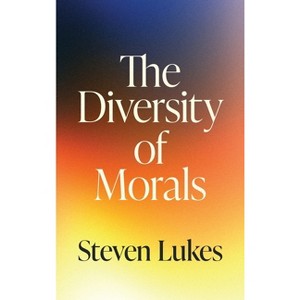
The Diversity of Morals - by Steven Lukes (Hardcover)
$29.95
In Stock
Eligible for registries and wish lists
Sponsored
About this item
Highlights
- How to make sense of the divergence between philosophers' quest for a single morality and social scientists' assumption that there are multiple moralities When we speak of morals, what are we speaking of?
- About the Author: Steven Lukes is professor emeritus of sociology at New York University and previously taught at the University of Oxford, the European University Institute, the University of Siena, and the London School of Economics and Political Science.
- 256 Pages
- Philosophy, Ethics & Moral Philosophy
Description
About the Book
"How to make sense of the divergence between philosophers' quest for a single morality and social scientists' assumption that there are multiple moralities. When we speak of morals, what are we speaking of? Is morality singular (as many philosophers tend to assume, even if they don't agree on what it is) or are there multiple moralities (which social scientists, notably anthropologists, study)? In The Diversity of Morals, Steven Lukes brings together these differing perspectives. Drawing on philosophy, sociology, social anthropology, psychology, and political theory, Lukes considers what the moral domain includes and what it excludes; how what is moral differs from what is conventional or customary in different contexts; whether morality is unified or a series of fragments; and, if there is a diversity of morals, what that diversity consists of. Lukes looks both ways -- toward philosophers' quest for a single best answer to the question of morality and toward sociologists' and anthropologists' assumption that there are several, even many, even very many, answers -- to make sense of their divergence. He traces the two approaches back to their beginnings, linking them to the differences between the ideas of David Hume, Johann Gottfried Herder, and Adam Smith. Lukes examines how we went from viewing the social world as 'us' versus 'them' to thinking of morality as universal, envisioning shared humanity and the sacredness of the human person, and what prevents this vision from being realized. Considering the breakdown of moral constraints in the perpetration of mass atrocities, Lukes asks if there are phenomena that are beyond moral justification. And he raises this crucial question: in light of the vast variation that history and the ethnographic record display, how wide and how deep is the diversity of morals?"--Book Synopsis
How to make sense of the divergence between philosophers' quest for a single morality and social scientists' assumption that there are multiple moralities
When we speak of morals, what are we speaking of? Is morality singular (as many philosophers tend to assume, even if they don't agree on what it is) or are there multiple moralities (which social scientists, notably anthropologists, study)? In The Diversity of Morals, Steven Lukes brings together these differing perspectives. Drawing on philosophy, sociology, social anthropology, psychology, and political theory, Lukes considers what the moral domain includes and what it excludes; how what is moral differs from what is conventional or customary in different contexts; whether morality is unified or a series of fragments; and, if there is a diversity of morals, what that diversity consists of. Lukes looks both ways--toward philosophers' quest for a single best answer to the question of morality and toward sociologists' and anthropologists' assumption that there are several, even many, even very many, answers--to make sense of their divergence. He traces the two approaches back to their beginnings, linking them to the differences between the ideas of David Hume, Johann Gottfried Herder, and Adam Smith. Lukes examines how we went from viewing the social world as "us" versus "them" to thinking of morality as universal, envisioning shared humanity and the sacredness of the human person, and what prevents this vision from being realized. Considering the breakdown of moral constraints in the perpetration of mass atrocities, Lukes asks if there are phenomena that are beyond moral justification. And he raises this crucial question: in light of the vast variation that history and the ethnographic record display, how wide and how deep is the diversity of morals?Review Quotes
"What are we talking about when we talk about morality? Steven Lukes tackles this question by richly combining sociology, his own discipline, with philosophy, anthropology, history and political theory."---Jane O'Grady, Prospect
About the Author
Steven Lukes is professor emeritus of sociology at New York University and previously taught at the University of Oxford, the European University Institute, the University of Siena, and the London School of Economics and Political Science. He is the author of Emile Durkheim: His Life and Work; Individualism; Power: A Radical View; Moral Relativism; and other books.Dimensions (Overall): 8.5 Inches (H) x 5.59 Inches (W) x 1.1 Inches (D)
Weight: 1.05 Pounds
Suggested Age: 22 Years and Up
Number of Pages: 256
Genre: Philosophy
Sub-Genre: Ethics & Moral Philosophy
Publisher: Princeton University Press
Format: Hardcover
Author: Steven Lukes
Language: English
Street Date: September 9, 2025
TCIN: 1001892742
UPC: 9780691157191
Item Number (DPCI): 247-15-8809
Origin: Made in the USA or Imported
If the item details aren’t accurate or complete, we want to know about it.
Shipping details
Estimated ship dimensions: 1.1 inches length x 5.59 inches width x 8.5 inches height
Estimated ship weight: 1.05 pounds
We regret that this item cannot be shipped to PO Boxes.
This item cannot be shipped to the following locations: American Samoa (see also separate entry under AS), Guam (see also separate entry under GU), Northern Mariana Islands, Puerto Rico (see also separate entry under PR), United States Minor Outlying Islands, Virgin Islands, U.S., APO/FPO
Return details
This item can be returned to any Target store or Target.com.
This item must be returned within 90 days of the date it was purchased in store, shipped, delivered by a Shipt shopper, or made ready for pickup.
See the return policy for complete information.
Frequently bought together
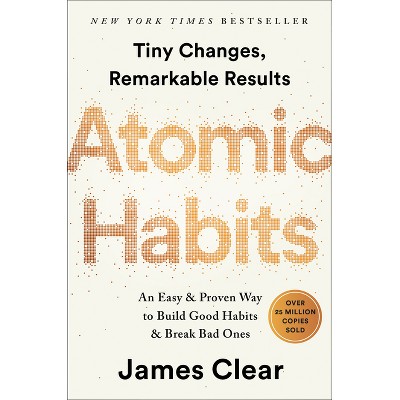
$18.88
MSRP $27.00
Buy 2, get 1 free select books, music & movies
4.8 out of 5 stars with 571 ratings

$16.09
MSRP $28.00
Buy 2, get 1 free select books, music & movies

$10.99 - $15.04
Buy 2, get 1 free select books, music & movies
4.6 out of 5 stars with 69 ratings
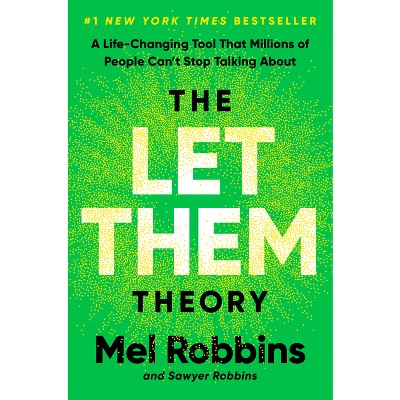
$15.68
Buy 2, get 1 free select books, music & movies
4.8 out of 5 stars with 192 ratings
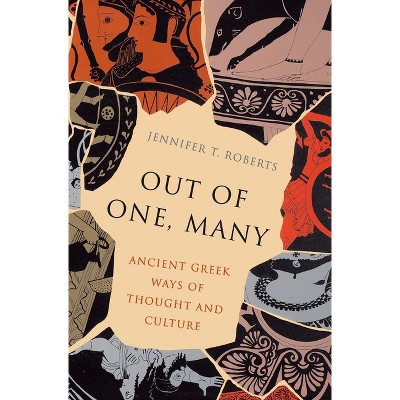
$24.11 - $24.99
MSRP $24.95 - $35.00
Buy 2, get 1 free select books, music & movies

$15.69
MSRP $26.99
Buy 2, get 1 free select books, music & movies
Trending Philosophy
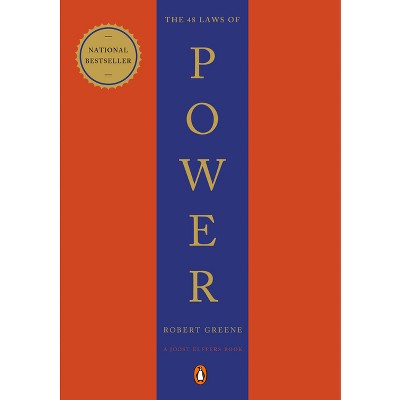
$13.99 - $23.05
MSRP $25.00 - $40.00
Buy 2, get 1 free select books, music & movies
4.4 out of 5 stars with 198 ratings

$15.00
MSRP $25.00
Buy 2, get 1 free select books, music & movies
4.5 out of 5 stars with 4 ratings

$10.23
was $10.78 New lower price
Buy 2, get 1 free select books, music & movies
4.6 out of 5 stars with 22 ratings

$8.18
MSRP $11.00
Buy 2, get 1 free select books, music & movies
4.8 out of 5 stars with 5 ratings
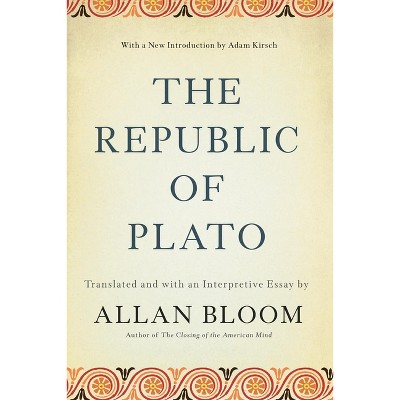
$12.69
MSRP $22.99
Buy 2, get 1 free select books, music & movies
5 out of 5 stars with 1 ratings
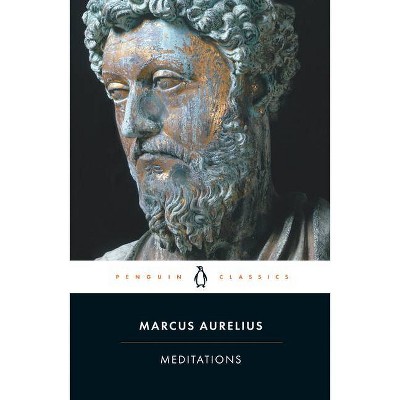
$7.26
MSRP $12.00
Buy 2, get 1 free select books, music & movies
4 out of 5 stars with 2 ratings
Discover more options
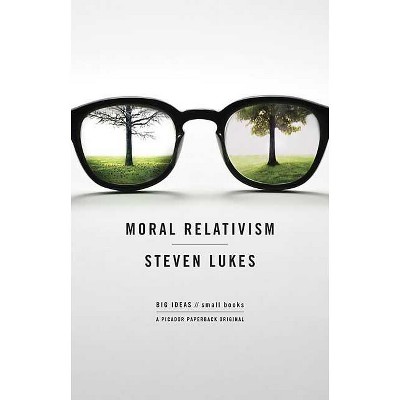
$15.40
MSRP $19.00
Buy 2, get 1 free select books, music & movies

$12.99 - $27.99
MSRP $17.95 - $44.00
Buy 2, get 1 free select books, music & movies
$22.99
MSRP $24.95
Buy 2, get 1 free select books, music & movies
$5.53
MSRP $5.95
Buy 2, get 1 free select books, music & movies

$83.00
Buy 2, get 1 free select books, music & movies

$16.99
MSRP $19.00
Buy 2, get 1 free select books, music & movies