Store polymer clay in a cool, dry place below 77°F (25°C) and out of direct sunlight. Use clay-compatible containers (polypropylene / PP #5 is recommended). Avoid hot environments (for example, don’t leave clay in a car). Refrigeration or freezing can extend shelf life if needed.
Oven-bake polymer clays are commonly used for jewelry-making, small figurines, DIY home décor, mixed-media crafts, general sculpture, and children’s craft projects.
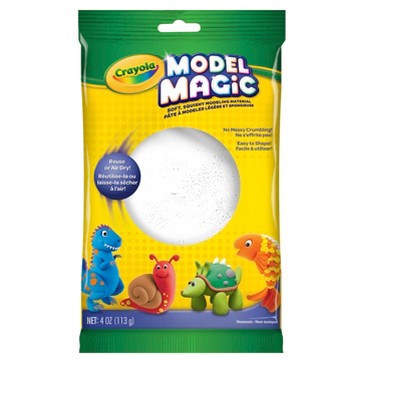
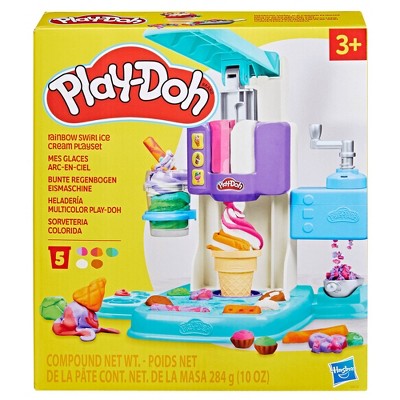
Many products are labeled non-toxic for family use. One natural pottery clay is described as allergen-free and noted to meet EN-71 and AP non-toxic standards. A kid-focused modeling compound specifically lists wheat as an ingredient and conforms to ASTM D-4236. Check individual product labels for exact allergen and certification details.
After baking, polymer clay can be sanded, drilled, and carved, then painted—water-based acrylics work well. You can finish painted pieces in any color you choose.
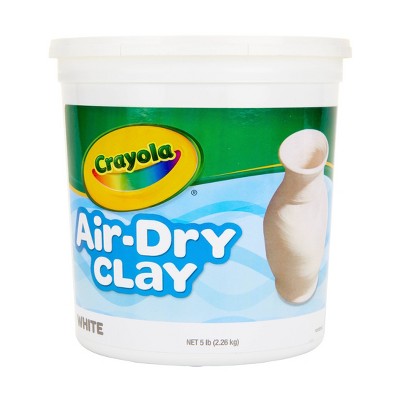
Oven-bake polymer clay: home-oven baking at 275°F (130°C) for about 15 minutes per 1/4 in (6 mm) thickness is shown; do not microwave or exceed the recommended time/temperature. Natural pottery clay: described as air-drying, and—if kiln-fired—listed firing temperatures of about 970–1050°C.
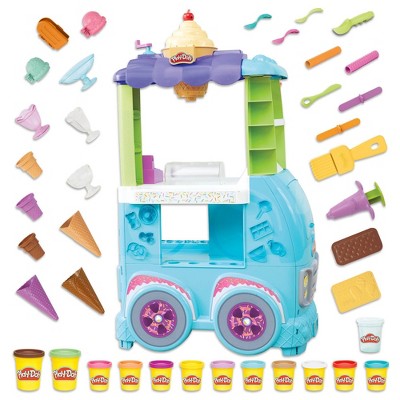
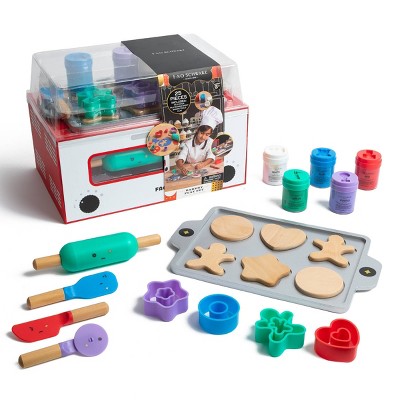
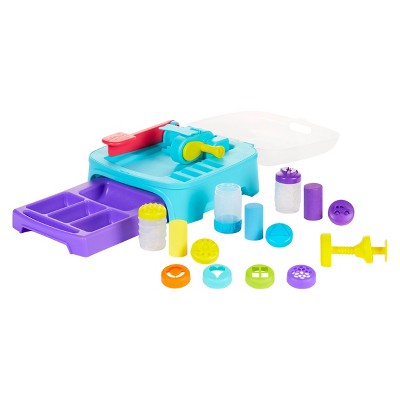
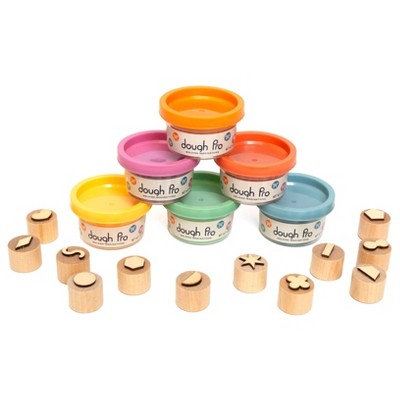
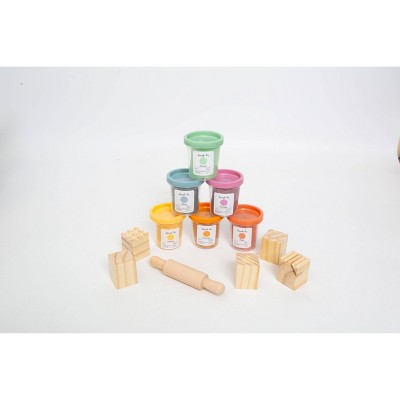
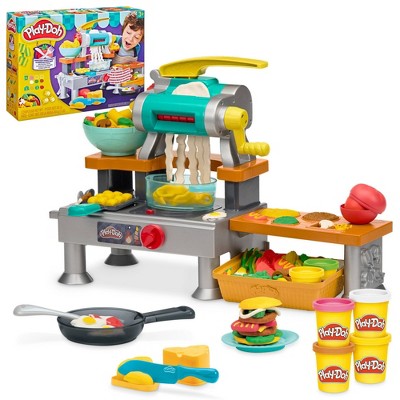
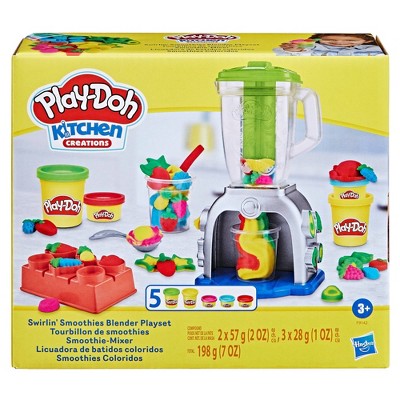
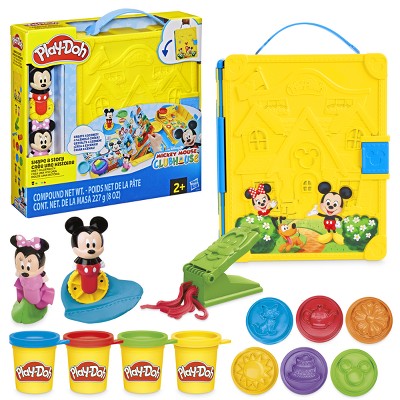
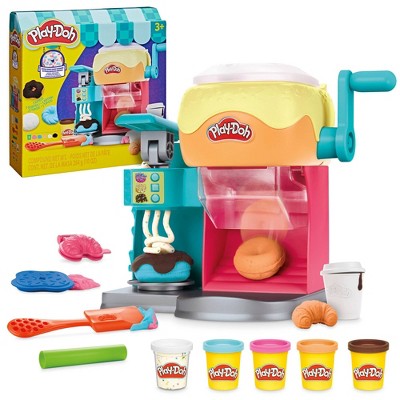
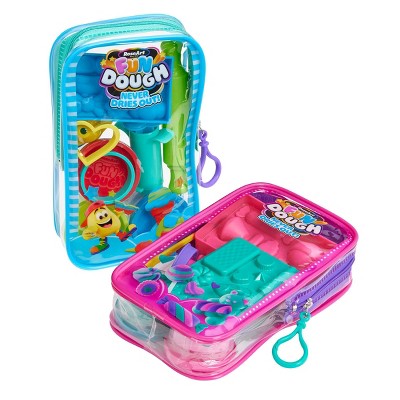
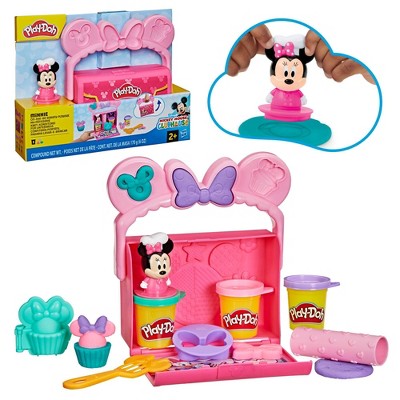
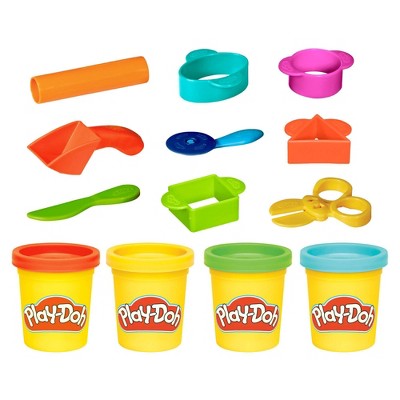
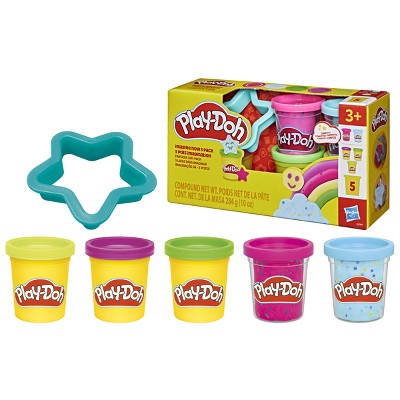
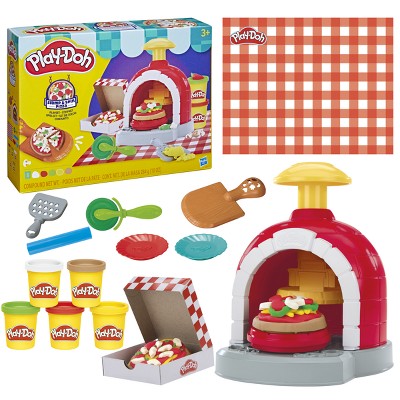
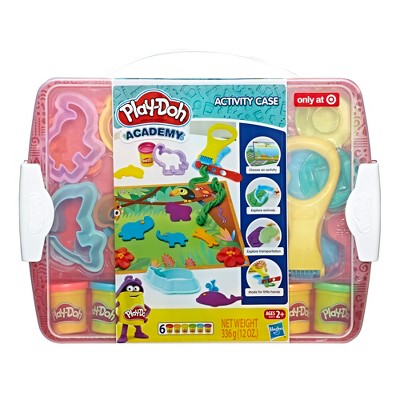
Common inclusions are sculpting tools, clay rollers, cookie cutters, and themed accessories. Example items listed include a pizza paddle, slicer, serving tool, roller, plates, a toy pizza box, and in one set a toy cheese grater.
Bake polymer clay at 275°F (130°C) for about 15 minutes per 1/4 in (6 mm) of thickness. Avoid microwaving and do not exceed the recommended time or temperature.