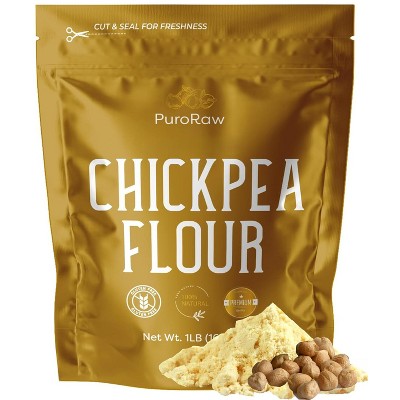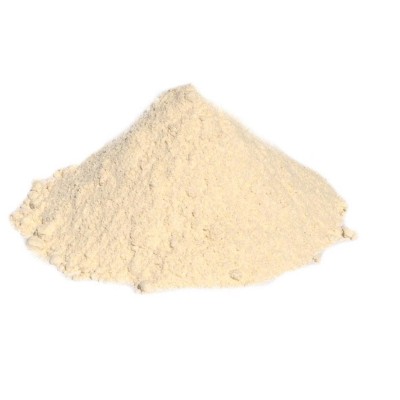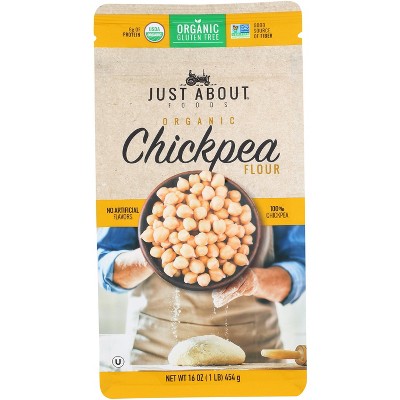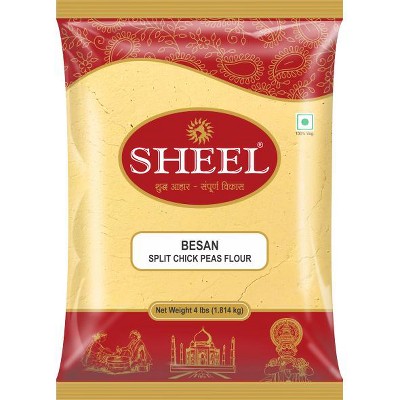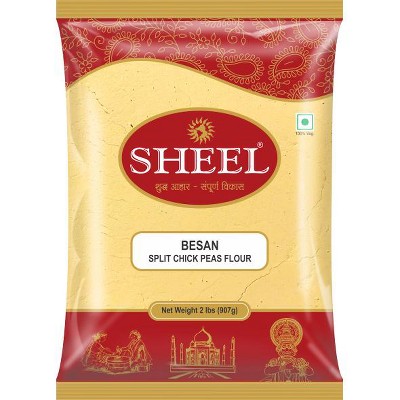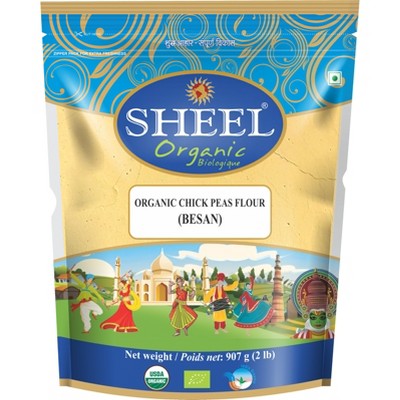
Chickpea flour is typically sold in poly or plastic bags that provide a moisture barrier, and commonly available in multi-pack cases for retail or bulk distribution.
Some listings specify desi or black chickpeas (Kala chana/desi) as the source, while others indicate garbanzo/chickpeas grown in the USA.
Yes. Chickpea flour can act as an egg substitute for moisture and binding in many recipes, and it can replace up to about 25% of wheat flour in baking to boost protein and fiber.
Chickpea flour is commonly highlighted for its plant-based protein and dietary fiber, with some listings also noting iron. It's often described as gluten-free or gluten-friendly and useful for boosting protein and fiber in baked goods.
Yes. Some listings mention using chickpea flour in homemade beauty products, commonly mixed into a paste and used as an exfoliating facial scrub.