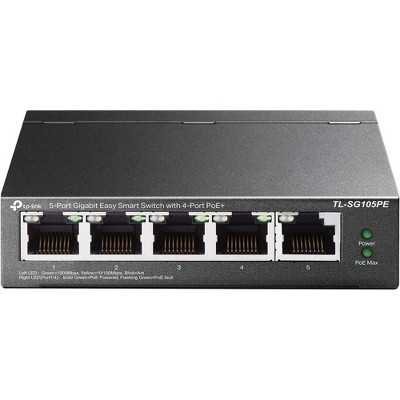
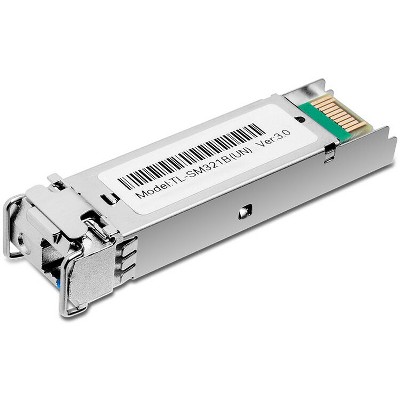
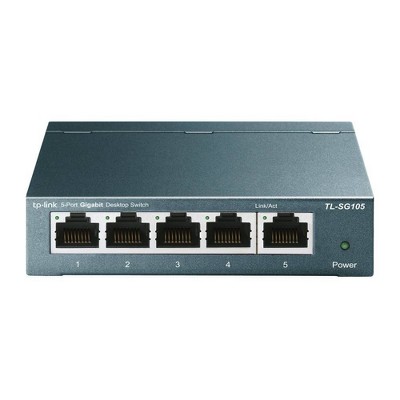
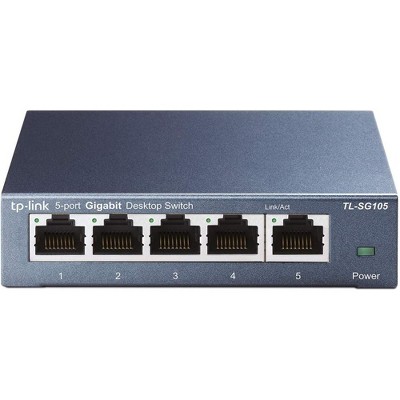
Gigabit switches range from small desktop models up to 48 Ethernet ports. Common uplink port types include SFP (for gigabit fiber uplinks) and SFP+ (10Gb) ports for higher-speed or longer-distance uplink connections.
Typical Layer‑2 features include bandwidth control, QoS, VLAN support, port mirroring, link aggregation, spanning tree, IGMP snooping and basic static routing. Common security and access controls include ACLs, 802.1X/RADIUS authentication, ARP spoofing prevention and DHCP server screening.
Many models support energy-saving features and some comply with IEEE 802.3az (Energy Efficient Ethernet). Several switches are designed to be fan‑less or specify low‑noise operation for quieter deployments and reduced power use.
Warranty coverage varies by model: listings range from a one‑year limited warranty on some units to lifetime or limited lifetime warranties on several managed gigabit switches.
PoE+ gigabit switches specify up to 30W of power per port.
Uplink options include Gigabit SFP (fiber) ports for standard uplinks and 10‑Gigabit SFP+ ports or 10G expansion slots on models that support higher uplink capacity.
These listings primarily target small and medium businesses and small office deployments, offering managed or web‑smart management. At least one model is specifically aimed at higher‑performance audio/AV applications.