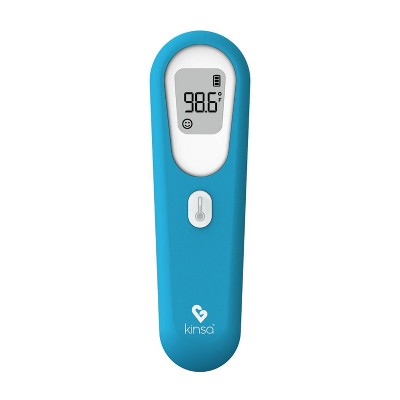
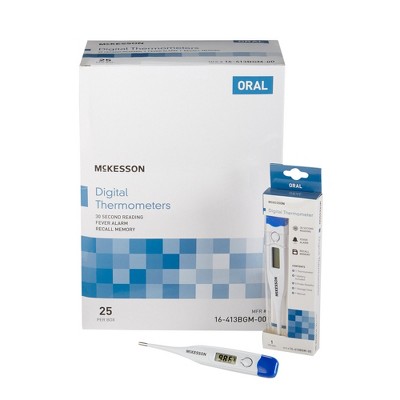
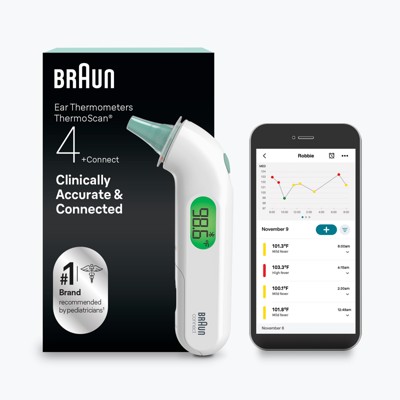
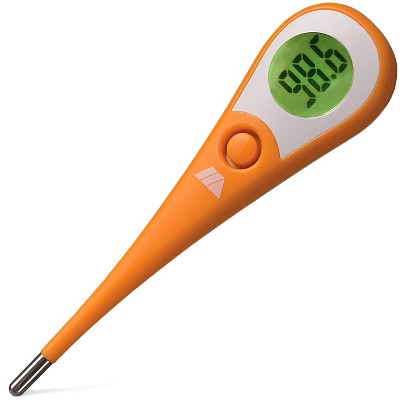
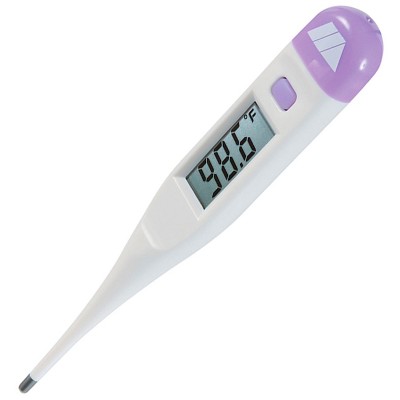
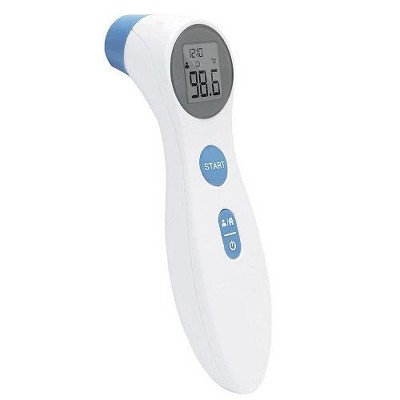
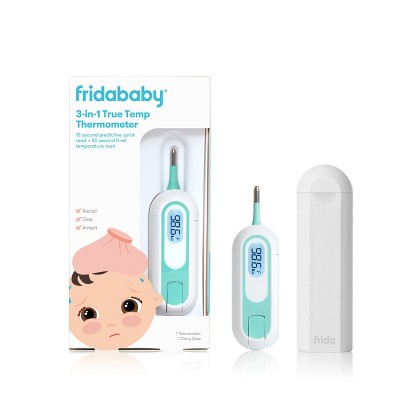
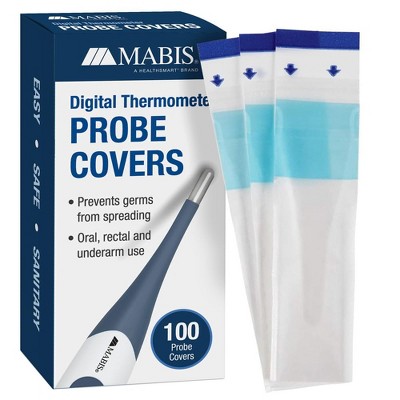
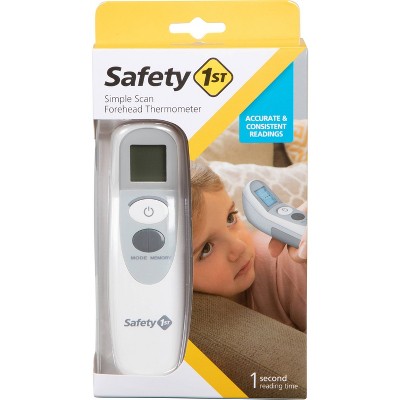
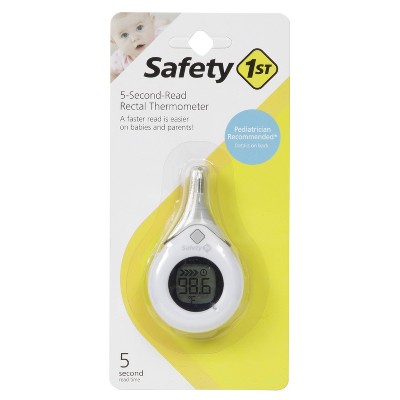
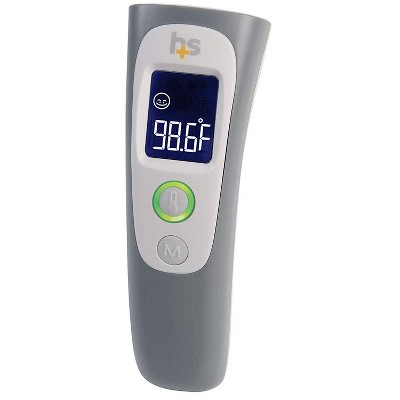
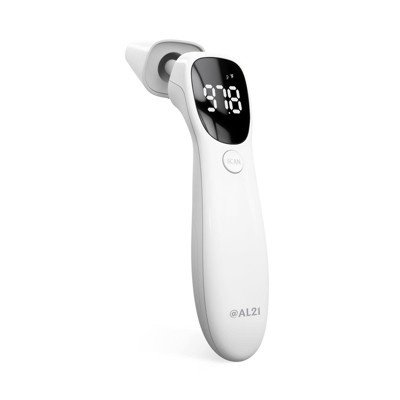
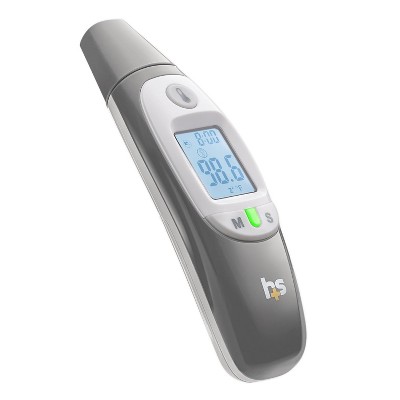
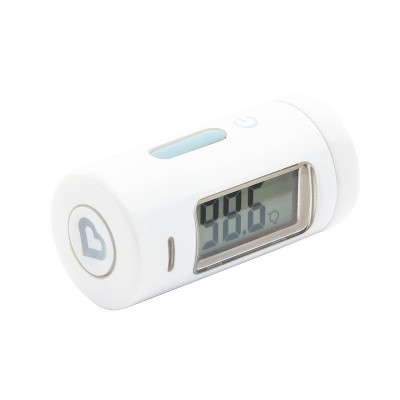
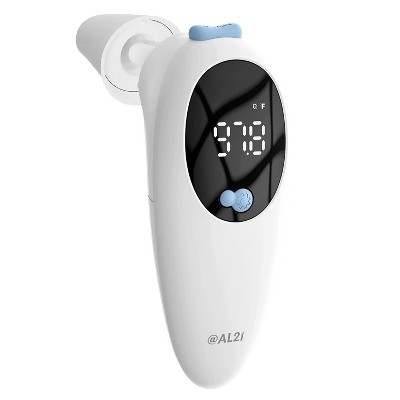
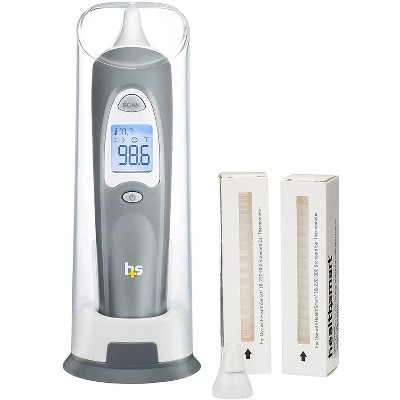
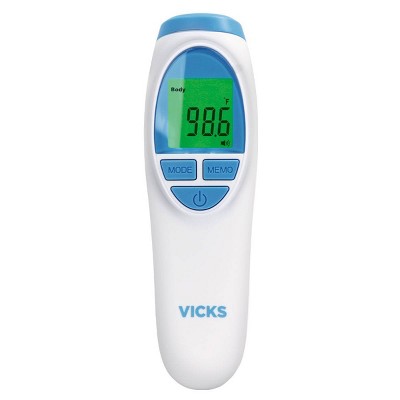
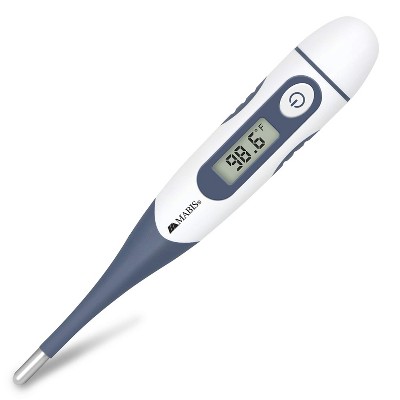
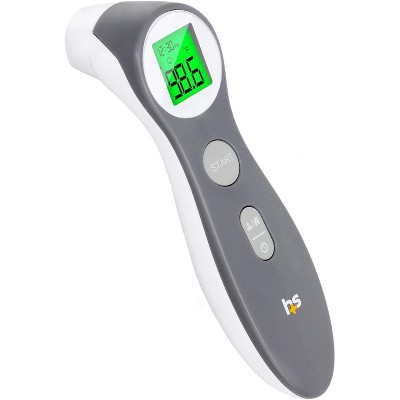
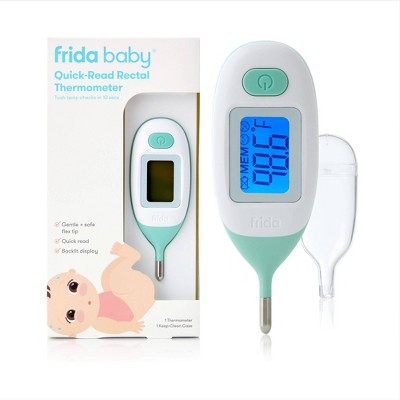
Listings show digital oral, rectal and underarm thermometers; in‑ear (tympanic) thermometers; forehead/temporal infrared models; and noncontact (touchless) infrared options. Many devices are multi‑use (for example, 3‑in‑1 or ear+forehead) and marketed as suitable for infants.
Reading times vary by type: many forehead and in‑ear infrared models report about 1 second; digital oral and underarm thermometers often take around 8 seconds; and flexible‑tip/rectal models typically list about 25–30 seconds.
Listings explicitly pair newborn suitability with oral, rectal and underarm modes, as well as ear (in‑ear/tympanic) and forehead (infrared/temporal) measurements. Several multi‑use devices combine oral/rectal/underarm or ear+forehead/touchless options.
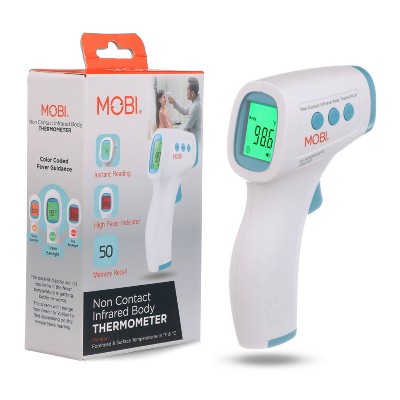
Some models include color‑coded displays or ‘fever bars’ that change color to indicate normal, elevated, or high temperatures. A few specifically use multi‑color screens or an amber indicator to call out elevated readings.
Accuracy claims in listings include figures such as ±0.2 °F. At least one digital 3‑in‑1 model is described as FDA‑cleared and clinically accurate to ±0.2 °F (±0.1 °C).
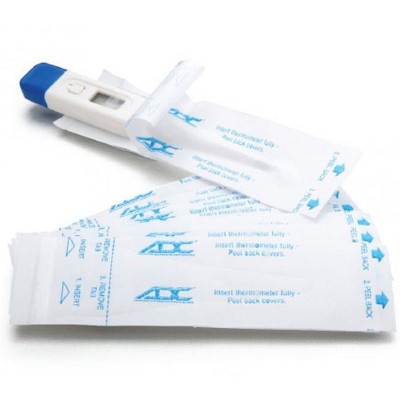
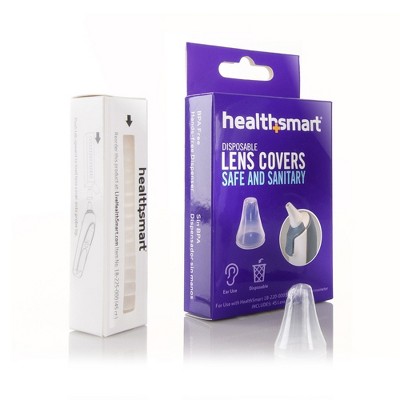
Listings call out pre‑warmed or disposable tips, positioning guidance or confirmation systems, infrared lens filters, and smaller/soft speculums—features intended to improve accuracy and hygiene for infant ear measurements.
All featured devices are battery‑powered. Listed battery types include CR1220 lithium, CR2032 lithium, LR41 alkaline, 2×AAA (alkaline or lithium), and 2×AA alkaline.
Several listings emphasize portability—compact dimensions, included storage or travel cases, and small, lightweight designs—making them easy to carry in a diaper bag or purse.
Most care instructions recommend spot‑cleaning or wiping the device. Some models note rinseable or waterproof tips for easier cleaning between uses.












![Hospi-Therm Kit II Dual Scale Thermometer [Set of 5]](https://target.scene7.com/is/image/Target/GUEST_f9c7f8ab-d92e-44e4-9d6e-415cc63c5964)