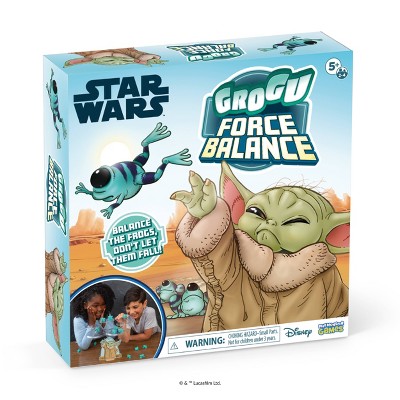
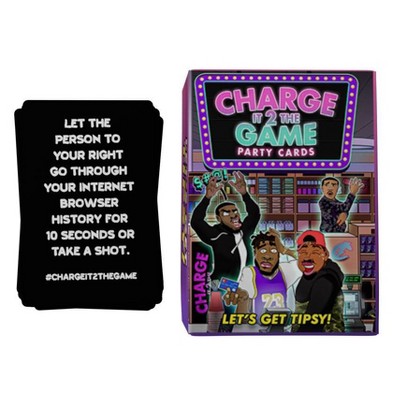
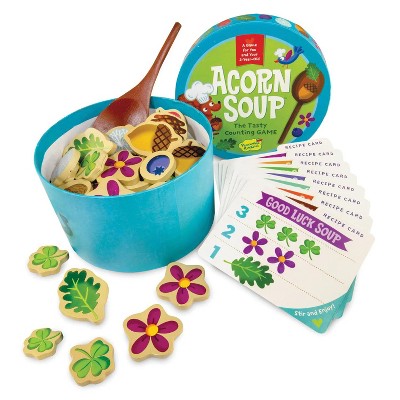
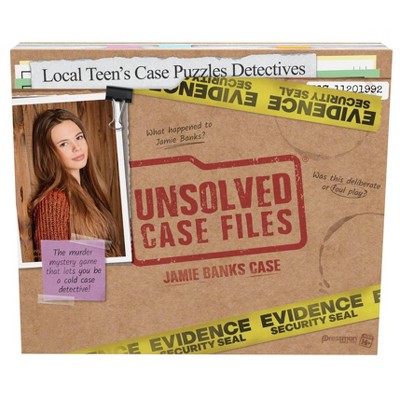
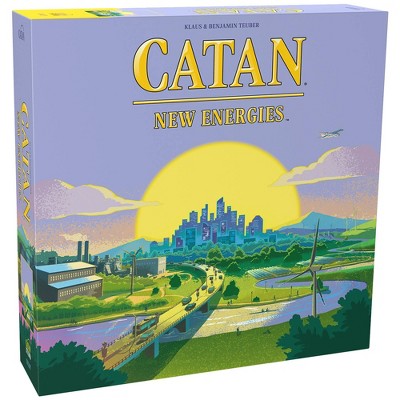
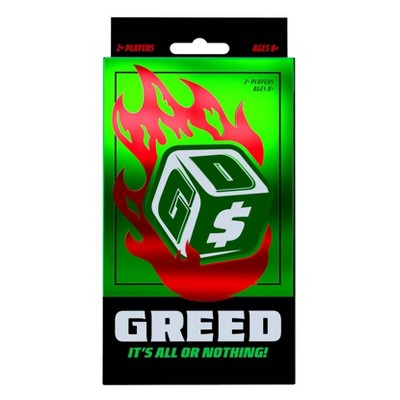
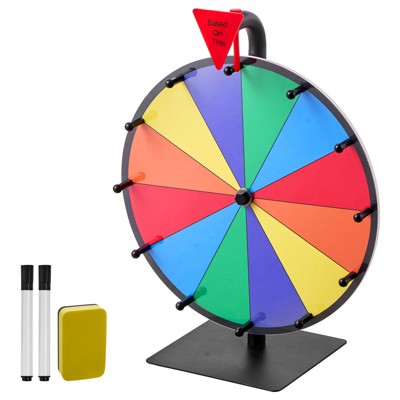
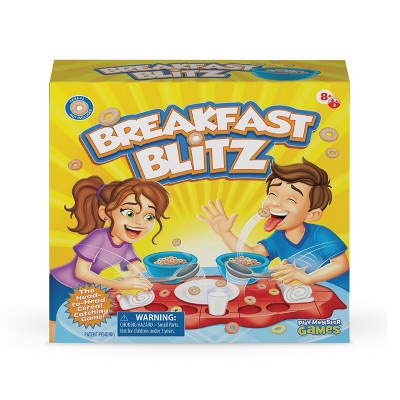
Play sessions typically range from short 5–15 minute rounds for fast stacking games to about 30–45 minutes for deeper, strategy-based building games; actual time depends on the specific title and players.
Common materials include plastic construction bricks (for building kits) and hardwood or wooden blocks (for stacking and tumbling games).
These games support many skills, including fine and gross motor development, memory and math foundations, problem solving, pattern recognition, creative and engineering thinking, sensory development, and general creativity.
Interactions vary by game: players place pieces to claim territory using placement rules, remove and restack blocks to avoid tower collapse, assemble bricks into models or shared structures, or race to match block patterns under time pressure.
Some sets include QR codes that unlock extra puzzles or companion content, and others offer a free web app with optional features such as a virtual die and alternate play modes.
Many stacking titles are marketed as party-friendly—easy to set up, compact to store, and suitable for group play—but suitability varies by product. Check the product description for recommended group size and indoor/outdoor use before buying.