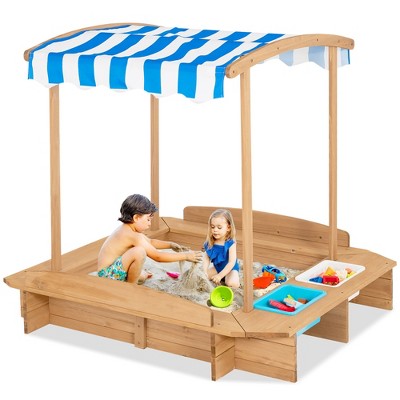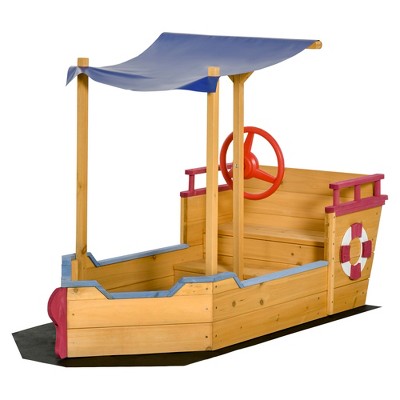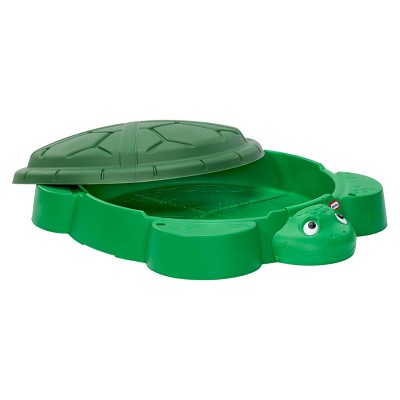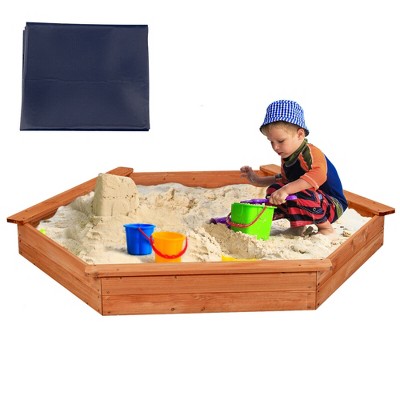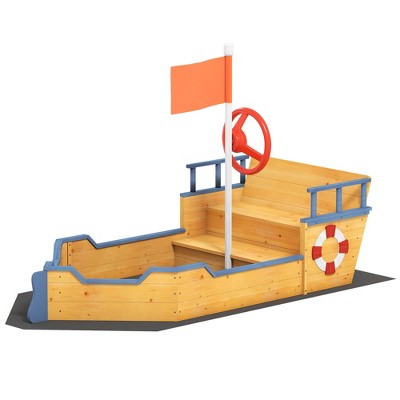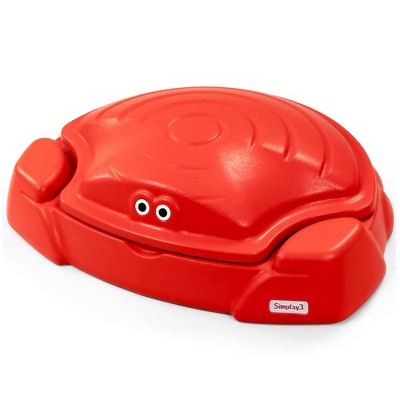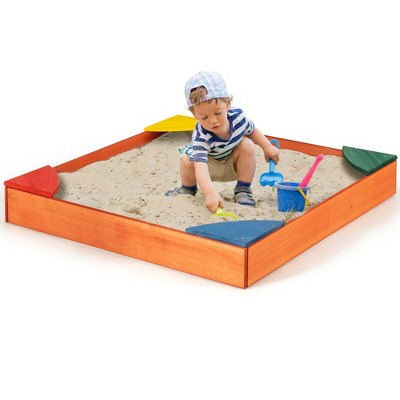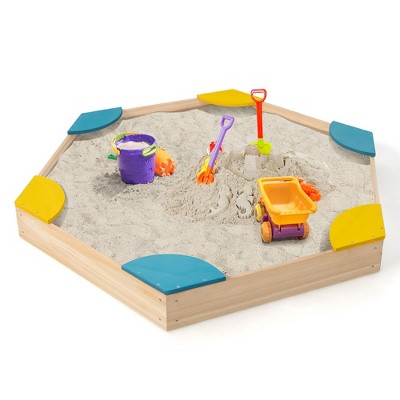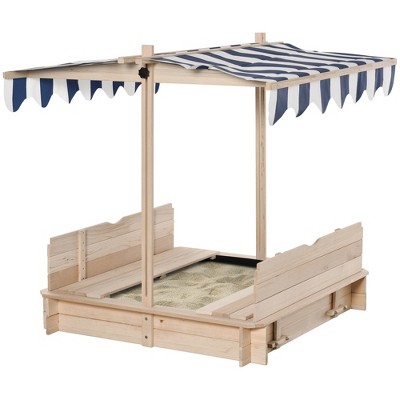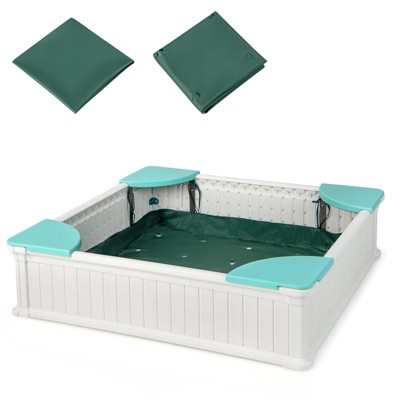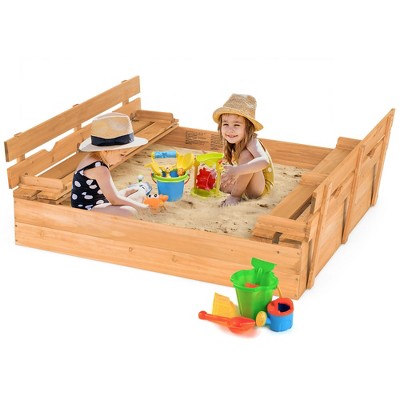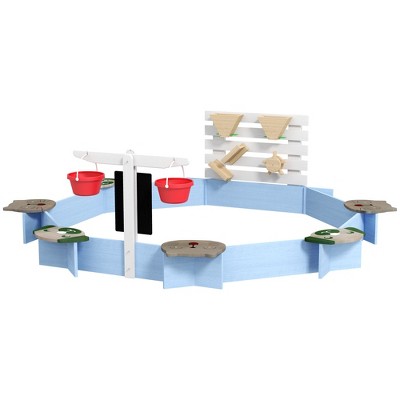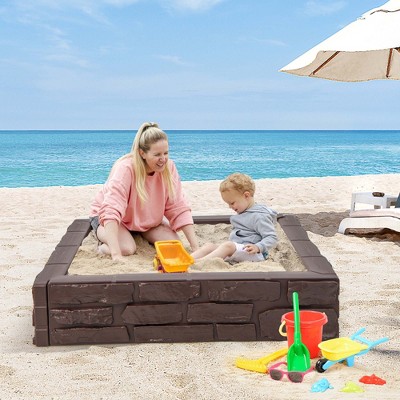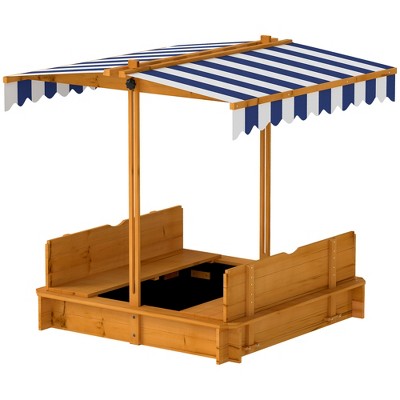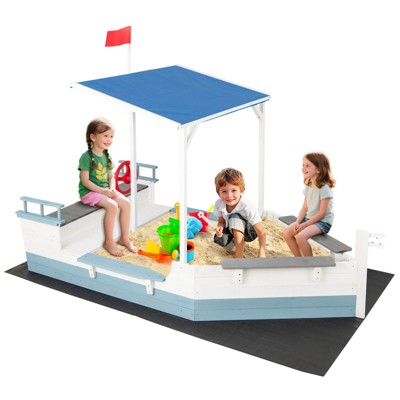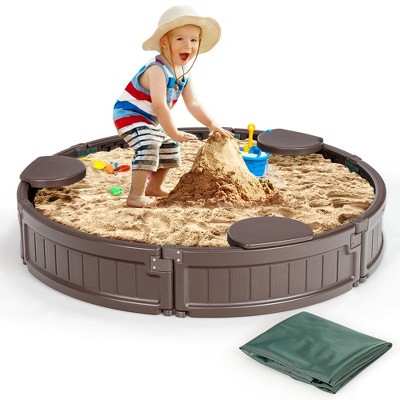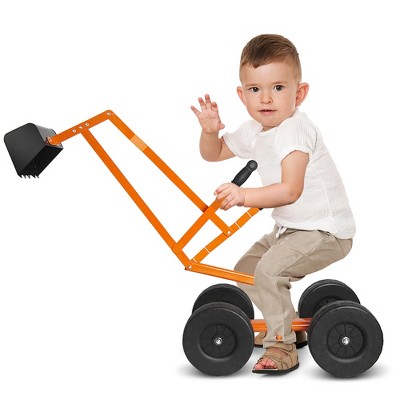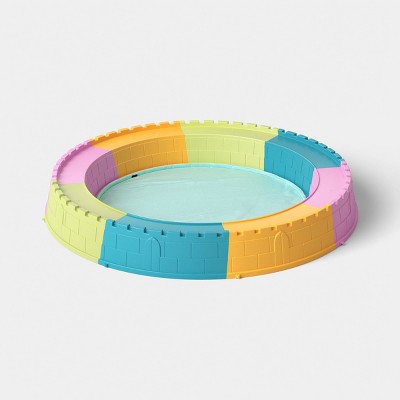
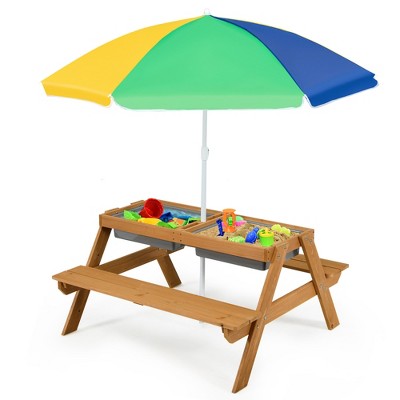
Common protective features include adjustable canopies or umbrellas for sun protection, foldable lids that double as covers, full liners that prevent sand leakage, and bottomless designs used with liners to improve drainage and ventilation. Check product details to confirm which of these features a model includes.
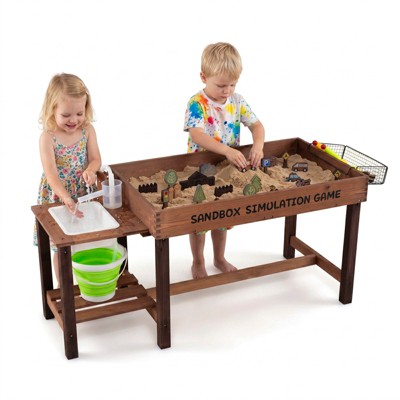
Capacity varies by size and design. Small castle sandboxes and activity tables often list room for about 1–2 children, while larger picnic-style sand tables or activity units are commonly sized for about 3–4 children. Always confirm the manufacturer’s recommended capacity and the unit’s dimensions before purchasing.
Most castle-style sandboxes target young children, commonly listing "3 years and up" or a 3–7 year range. A few larger or more complex playsets extend suitability up to about 8 years. Always follow the manufacturer’s recommended age range and safety guidance.
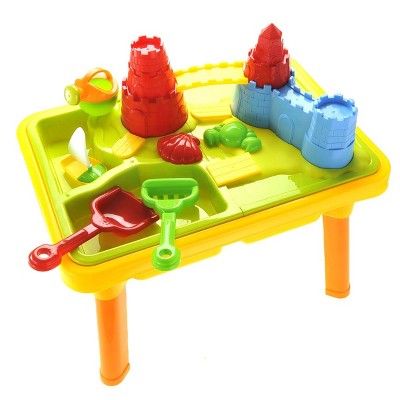
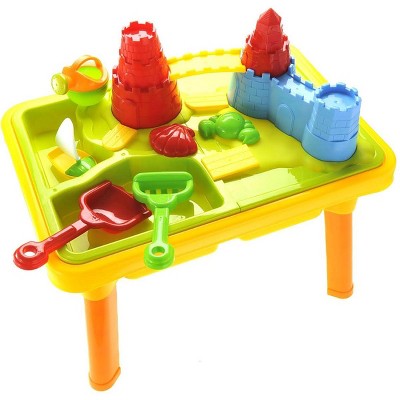
A common approach is 3-in-1 or convertible designs that switch between a sandbox, a water/sensory table, and a picnic or activity table. They use removable tabletops, detachable play bins, lids or foldable benches that double as covers, and sometimes adjustable canopies for shade. Check each model’s conversion steps and included parts to ensure it meets your needs.
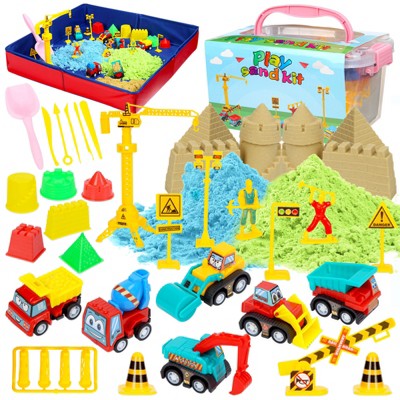
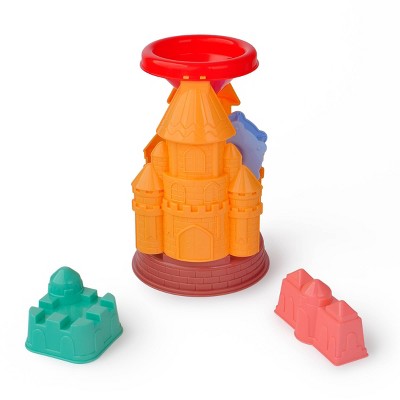
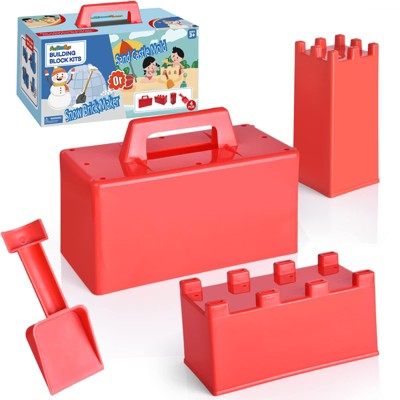
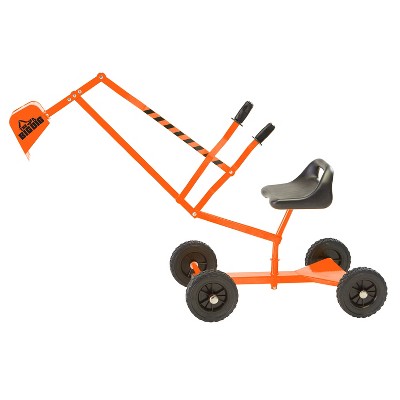
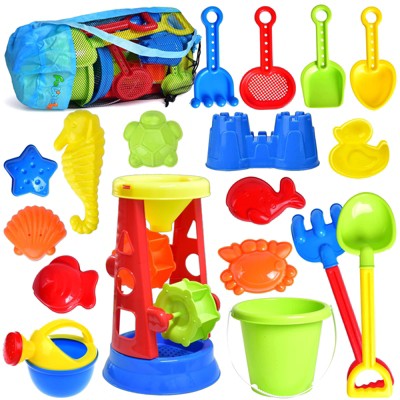
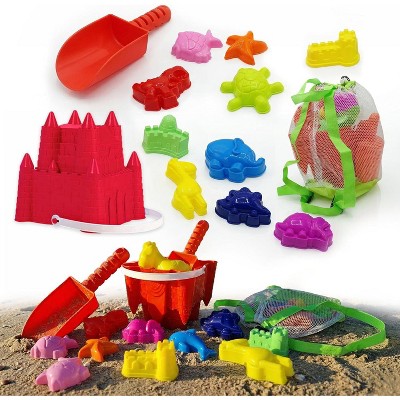
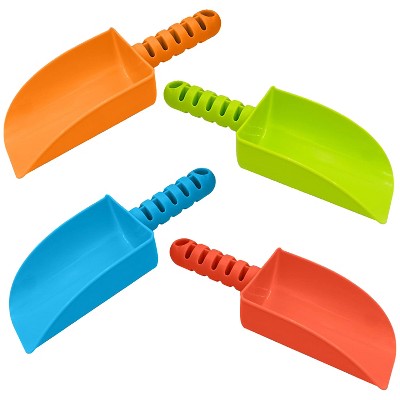
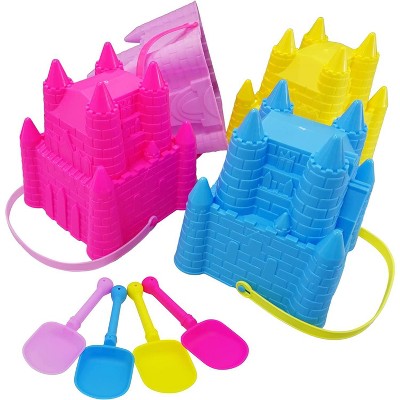
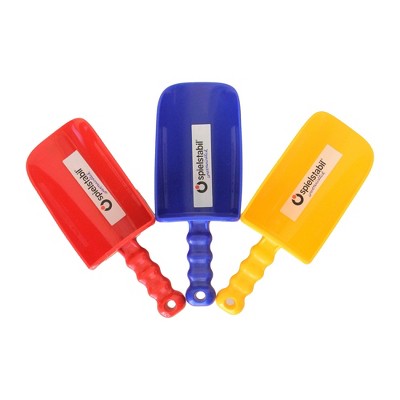
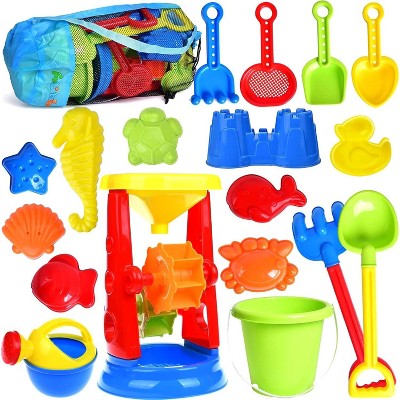
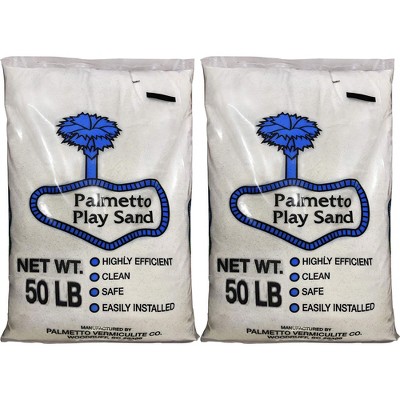
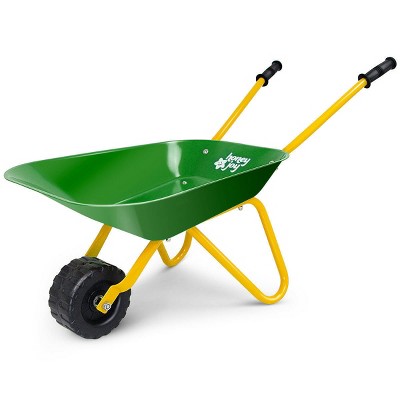
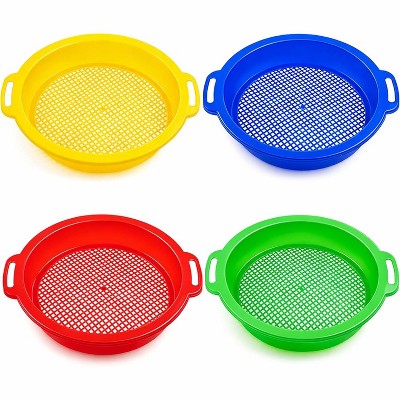
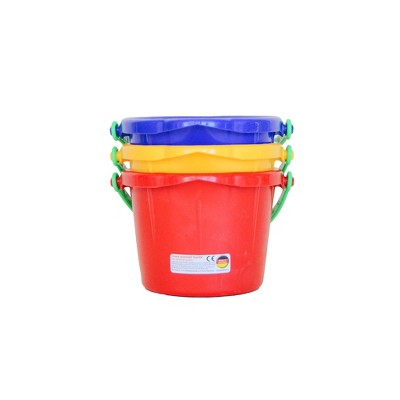
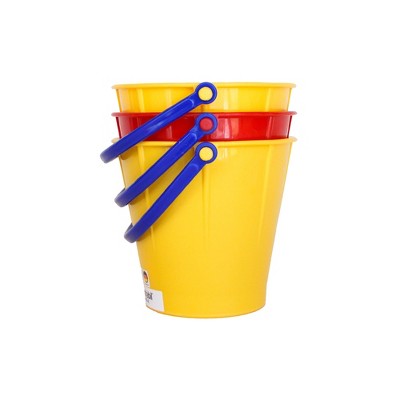
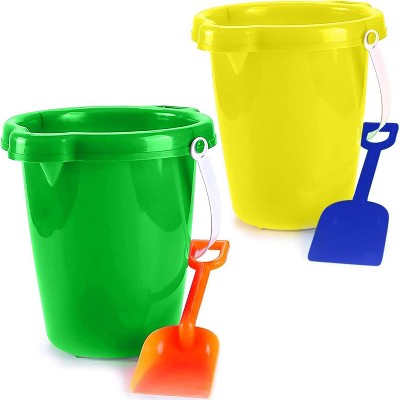
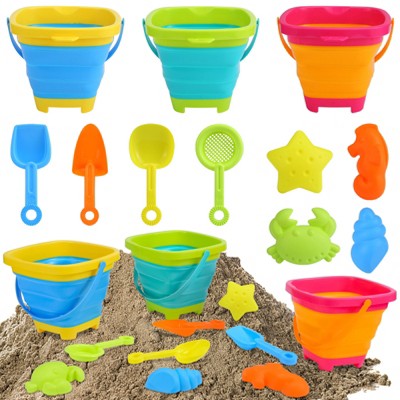
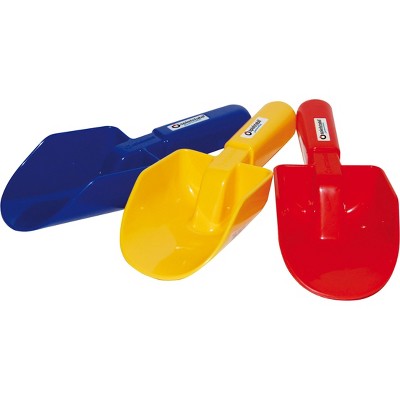
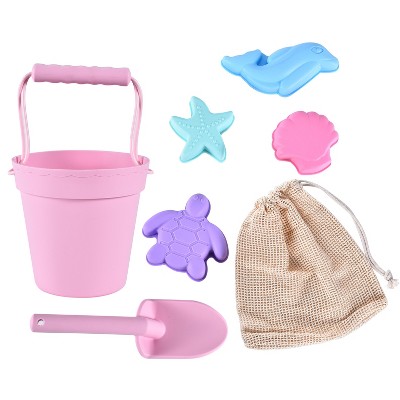
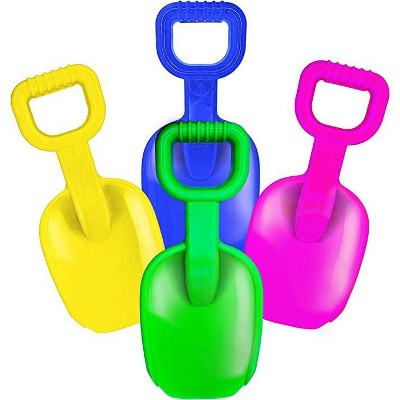
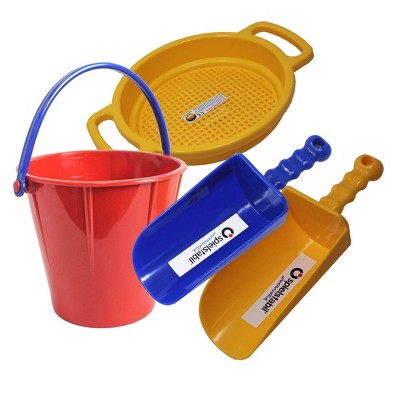
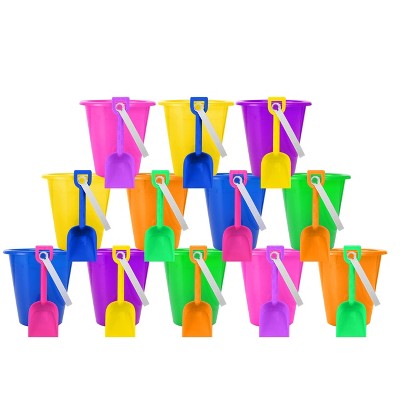
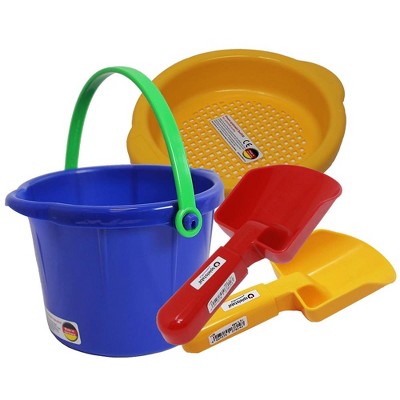
Kits often include molded castle sand molds, sculpting tools, small shovels, rakes, and sometimes toy trucks or construction pieces. Some sets also include small quantities of colored play sand (e.g., ~3.3 lb samples) and a collapsible storage tray or box for easy cleanup and storage. Always check the product listing for an exact contents list.