Target New ArrivalsBack to SchoolCollegeHalloweenClothing, Shoes & AccessoriesHome & DecorKitchen & DiningPatio, Lawn & GardenGroceryHousehold EssentialsBabyBeautyPersonal CareSports & OutdoorsPetsHealthWellnessSchool & Office SuppliesToys & GamesElectronics & TechVideo GamesMovies, Music & BooksParty SuppliesGift IdeasGift CardsShop by CommunityTarget OpticalDealsClearanceNew ArrivalsBack to SchoolCollegeTop DealsTarget Circle DealsWeekly AdShop Order PickupShop Same Day DeliveryRegistryRedCardTarget CircleFind Stores
Powered by AI

Guests also ask:

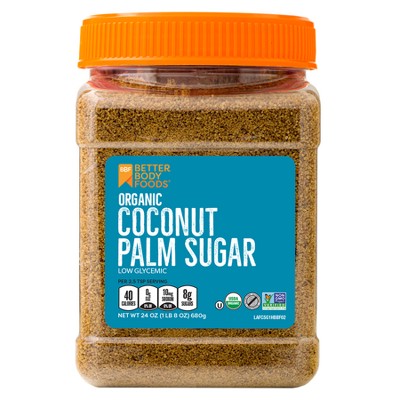
Most products are sold as granulated coconut sugar. Some listings note a finer texture or light golden crystals that dissolve easily.

Organic coconut sugar is commonly described as having a mild to rich caramel or warm caramel flavor with a delicate, sweet profile.

Listings highlight resealable pouches, packaging designed to preserve freshness, and recyclable pouch options to support storage.

Several descriptions state coconut sugar can be used as a one-to-one (spoon-for-spoon) replacement for refined white or brown sugar.

Options range from single bags to multi-packs (including 4- and 6-packs), with net weights reported from about 13 ounces up to 96 ounces.

Common labels include Organic/USDA Organic, Non-GMO or Non-GMO Project Verified, Kosher, gluten-free, and vegan; some listings also note SQF certification.

Listings describe the sweetener as coming from coconut blossom/flower nectar or from the sap of coconut palm trees.

Listings show it used as a 1:1 replacement for white or brown sugar in baking (cookies, cakes, muffins, brownies, pancakes) and for sweetening coffee, tea, oatmeal, sauces, curries, smoothies, and as a topping for yogurt or oatmeal.

Descriptions mention naturally occurring vitamins and minerals, amino acids and antioxidants, and list minerals such as zinc, iron, potassium and magnesium; one listing also notes dietary fiber like inulin.

Skip to next section

Get top deals, latest trends, and more.