energy rush
820 results for “energy rush”
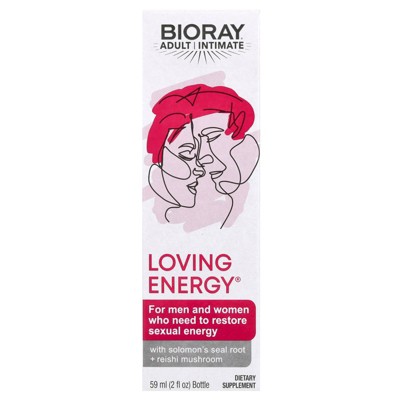
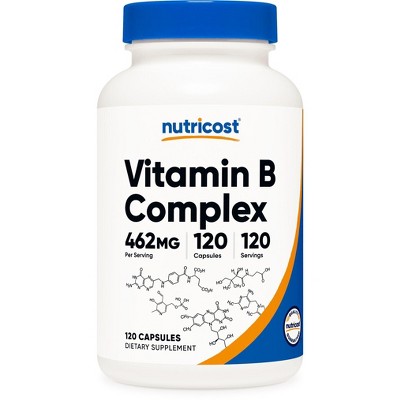
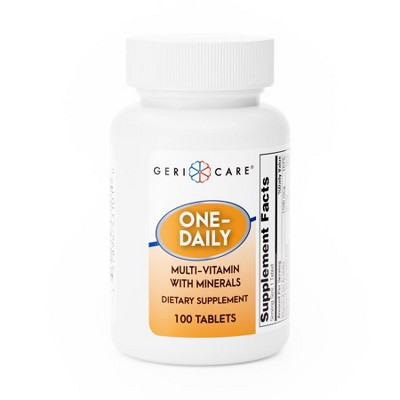
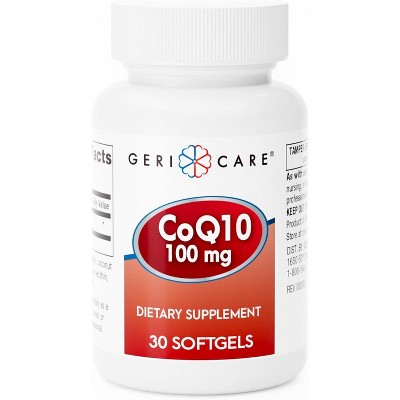
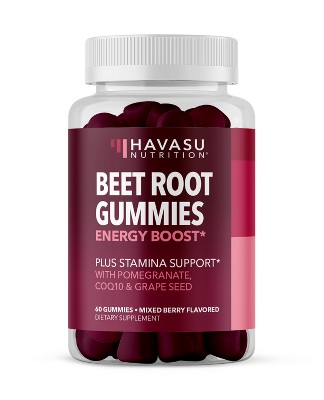
$19.99
reg $23.99
Sale
Loved for: great taste
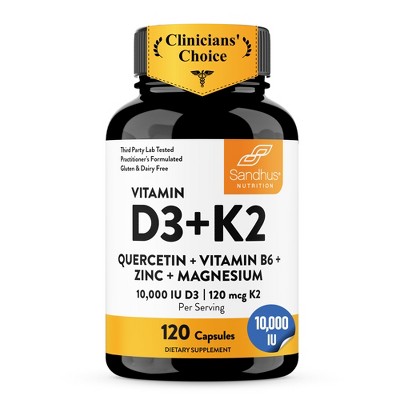
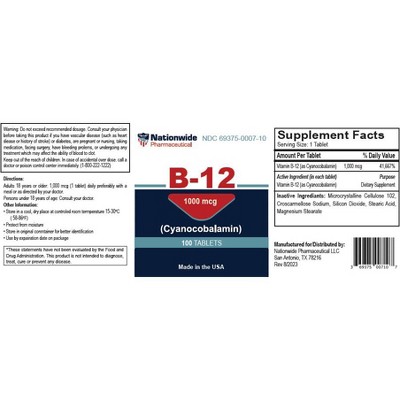

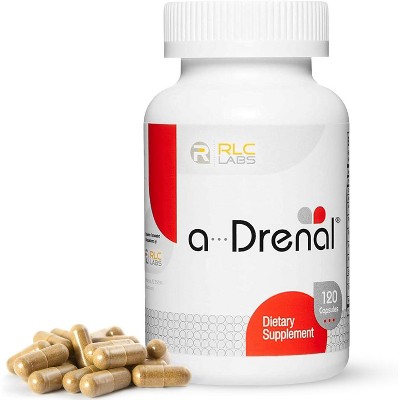
Sponsored
$15.95
reg $22.33
Sale
Loved for: energy boost
Sponsored
Powered by AI
Guests also ask:
Related searches
- energy shake
- rush pre workout
- pregnancy energy
- energy focus
- energy powder
- energy supplement
- c4 pre workout before running
- guy health
- energy chews
- dark energy pre workout
- reproductive health
- energy chews caffeine
- energy pills
- energy gum
- bcaa energy
- alertness aid
- c4 energy pre workout
- mega men energy metabolism
- pre workout energy
- sqwincher zero
Trending now
- $5.99($3.74/ounce)reg $6.39 Sale4.4 out of 5 stars with 7 ratings
- $5.99($3.74/ounce)reg $6.39 Sale4.4 out of 5 stars with 11 ratings
- $2.99($1.85/fluid ounce)4.6 out of 5 stars with 14 ratings