Target New ArrivalsChristmasTarget Black FridayGift IdeasHoliday Kids CatalogHome & DecorKitchen & DiningToys & GamesElectronics & TechVideo GamesGift CardsClothing, Shoes & AccessoriesGroceryBabyBeautyTarget Beauty StudioPersonal CareHousehold EssentialsHealthWellnessBooks, Music & MoviesSports & OutdoorsPetsSchool & Office SuppliesParty SuppliesAutomotiveTarget OpticalClearanceNew ArrivalsChristmasGift IdeasTop DealsTarget Circle DealsWeekly AdShop Order PickupShop Same Day DeliveryRegistryRedCardTarget CircleFind Stores

family math games

1,000+ results for “family math games”
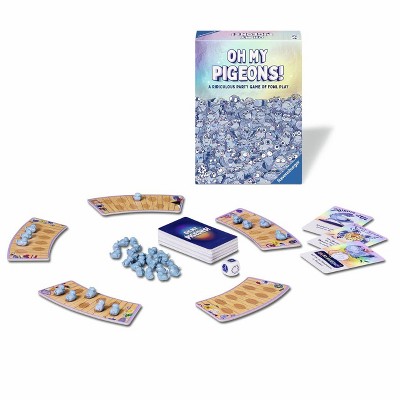
Oh My Pigeons! A Ridiculous Party Game Of Fowl Play! Board Games

$13.69
was $16.19
New lower price

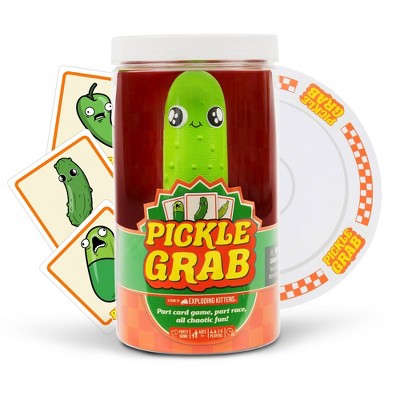
Exploding Kittens Pickle Grab

$19.99

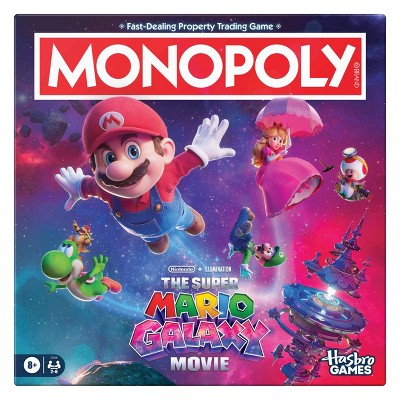
Monopoly: The Super Mario Galaxy Movie Edition Board Game

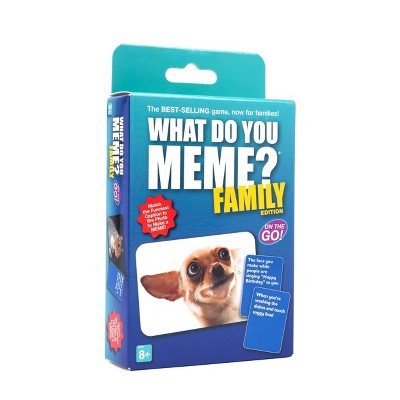
What Do You Meme? Family Travel Edition Game

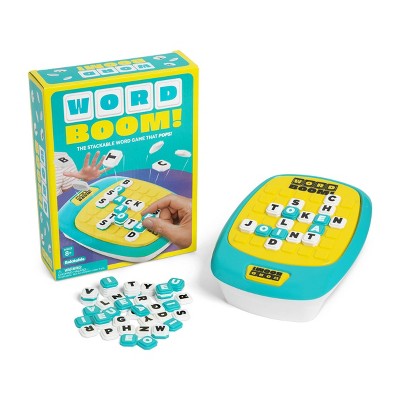
Word Explosion What Do You Meme? Board Game

$21.99

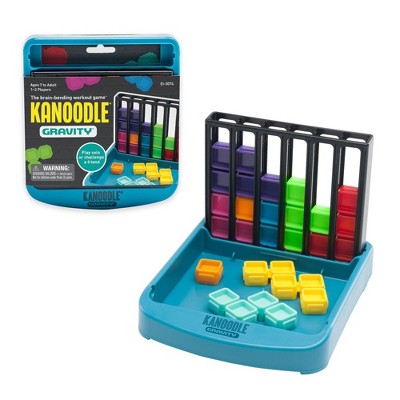
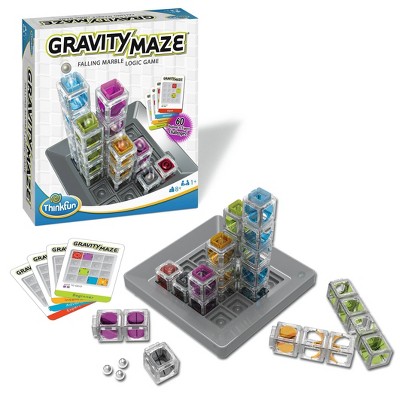
Gravity Maze Board Game

$22.99
4.8(55)
Loved for: variety of levels

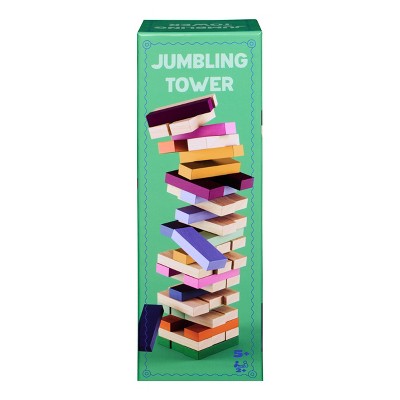
Elevated Pop Jumbling Tower

$9.99
4.9(18)
Loved for: encourages strategic thinking

Sponsored

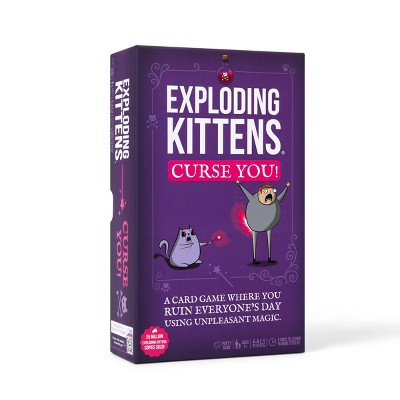
Exploding Kittens: Curse You

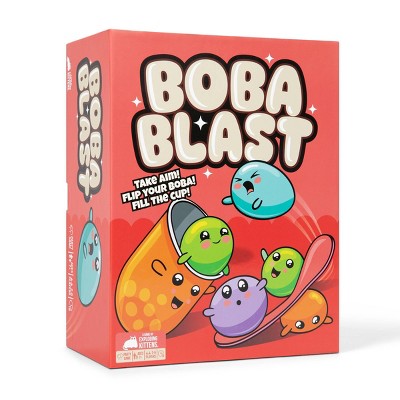
Exploding Kittens Boba Blast

$19.99
4.8(55)
Loved for: easy to learn and play

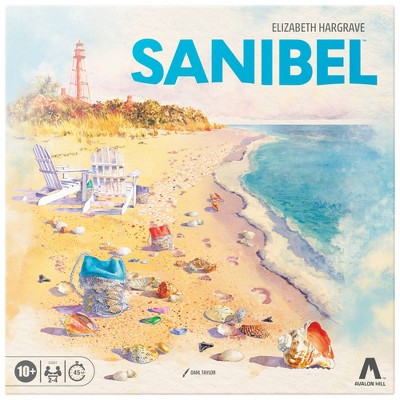
Sanibel by Elizabeth Hargrave Tile Placement Board Game

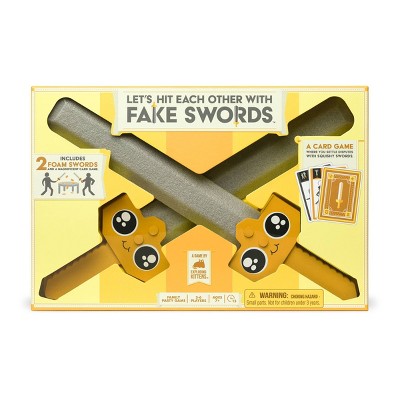
Exploding Kittens Let's Hit Each Other With Fake Swords Party Game

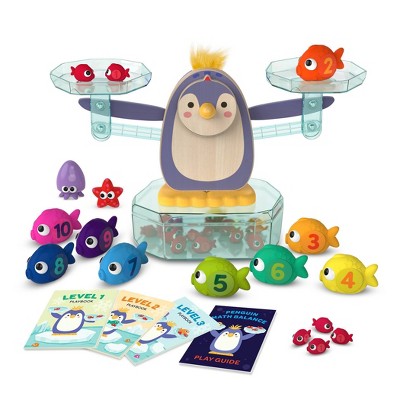
Battat Education Penguin Balance Math Scale Game

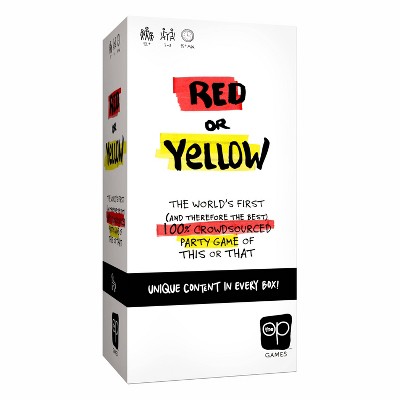
The Op Games Red or Yellow Board Game

$19.99

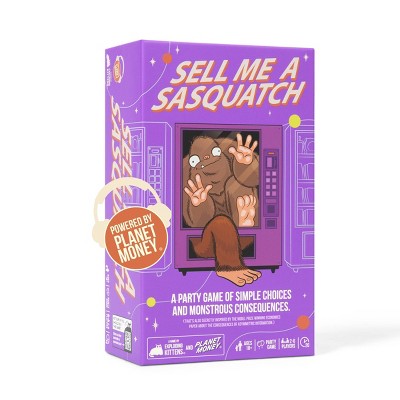
Exploding Kittens Sell Me a Sasquatch

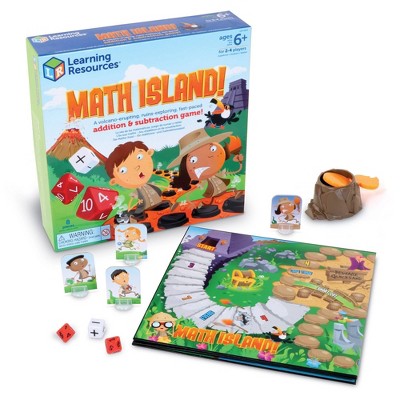
Learning Resources Math Island Addition & Subtraction Game: Educational Board Game for 1-4 Players

Sponsored

Powered by AI

Guests also ask:

Most family math games target preschool and early elementary ages — broadly from about 3 years up through 8 years and older. Product listings commonly show ages such as 3, 4, 6, 7 and 8+.

Player counts vary by title. Some games support a single player or 1–2 players, while many support typical ranges such as 2–4 or 2–6. Larger-party designs and decks can accommodate up to about 8–12 players.

Family math games practice early numeracy and related skills, including counting and number recognition, sequencing and patterning, basic shapes and colors, matching and memory, spatial reasoning, fine motor and hand–eye coordination, and social skills like taking turns.

Playtime depends on the title: many games have short rounds of about 5–15 minutes, while full sessions commonly run 20–40 minutes. Several listings cite typical playtimes around 20–30 minutes.

Common components include instruction sheets, cards or card decks, game boards, tokens or pawns, and child-friendly props (for example themed pieces like spatulas, pancakes, or multicolored counting stones).

Many products include CPSC-style choking-hazard warnings and age guidance when they contain small parts. Listings and reviews sometimes note tiny pieces (for example small food-themed tokens), so check product labels and recommended ages before buying for young children.

Skip to next section

Sponsored

Get top deals, latest trends, and more.