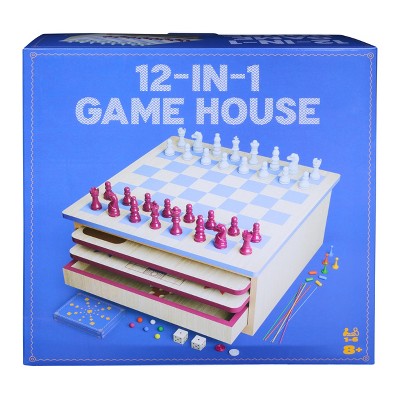
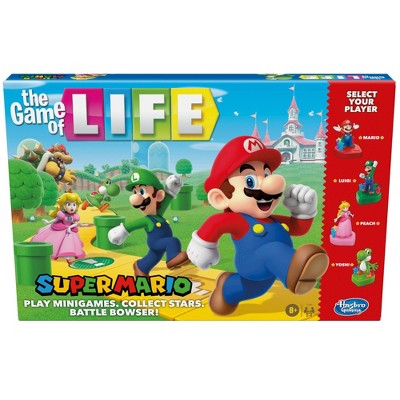
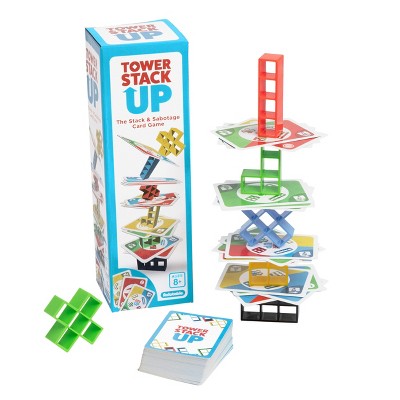
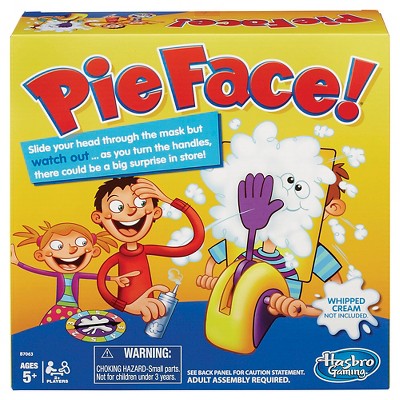
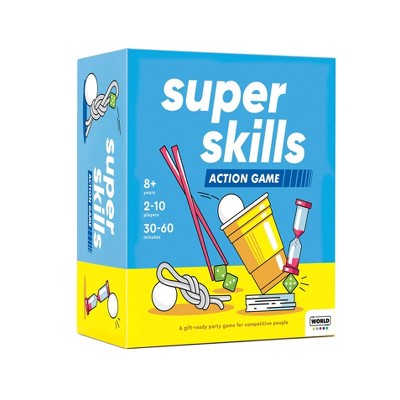
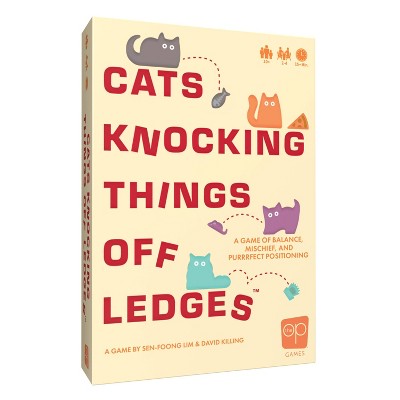
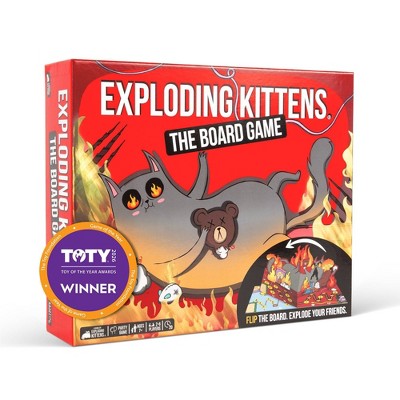
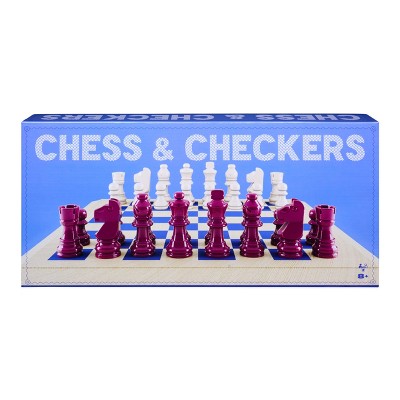
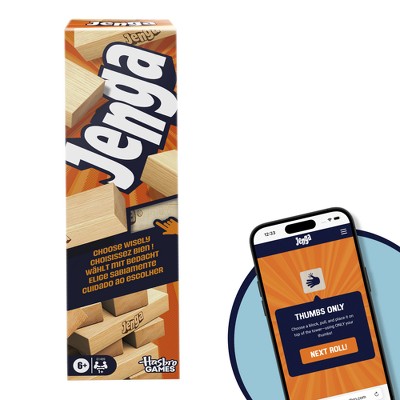
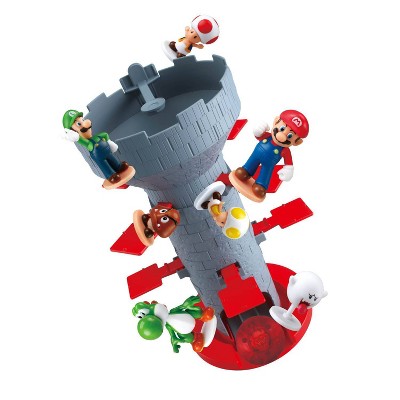
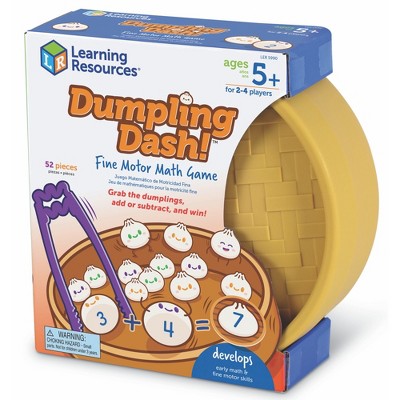
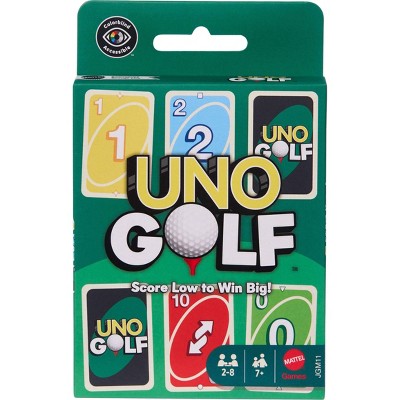
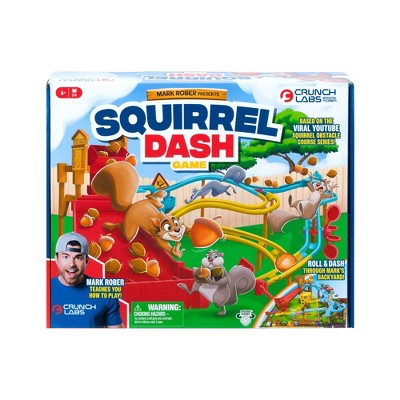
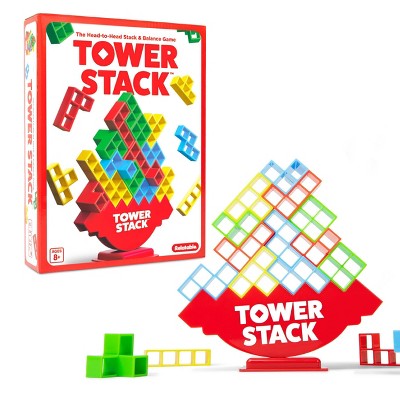
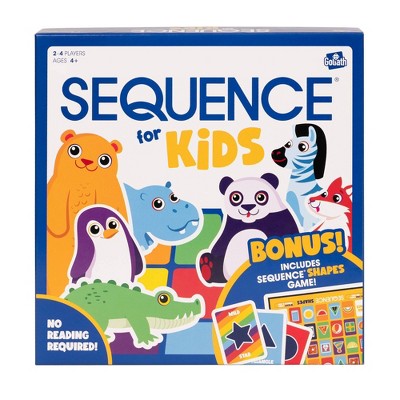
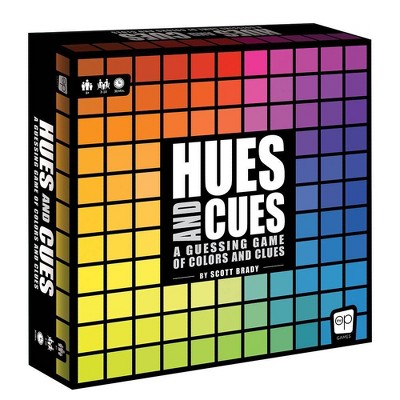
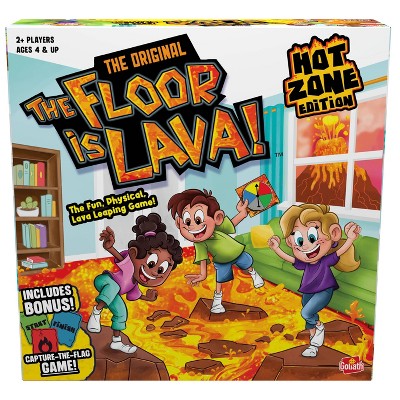
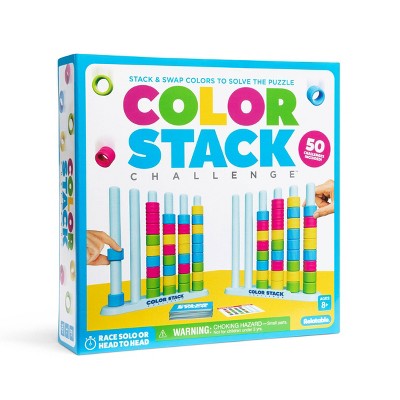
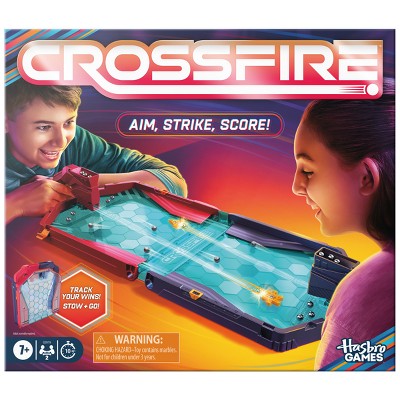
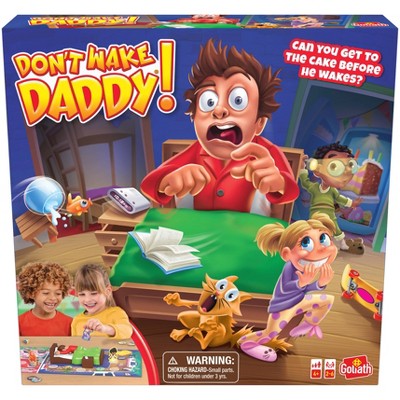
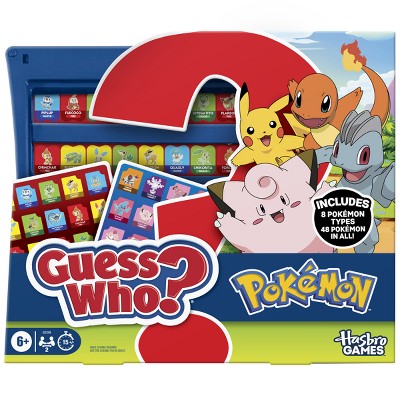
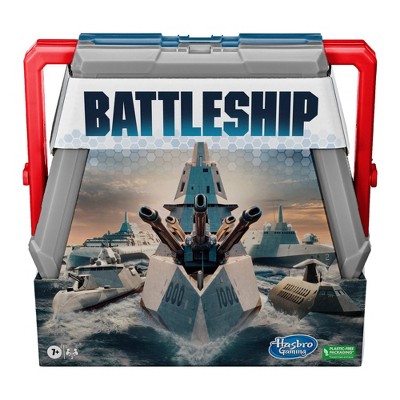
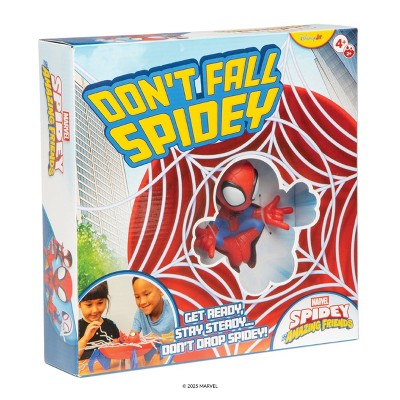
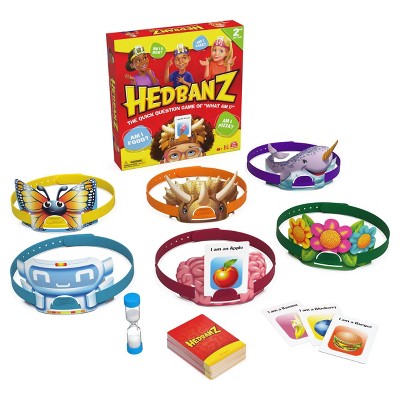
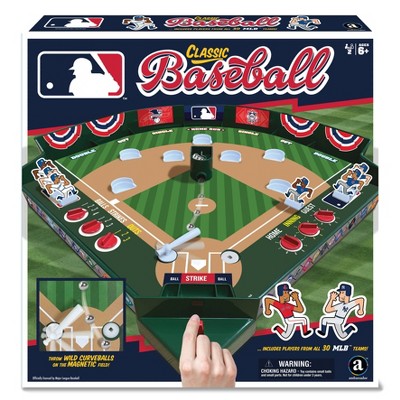
Most family math games target preschool and early elementary ages — broadly from about 3 years up through 8 years and older. Product listings commonly show ages such as 3, 4, 6, 7 and 8+.
Player counts vary by title. Some games support a single player or 1–2 players, while many support typical ranges such as 2–4 or 2–6. Larger-party designs and decks can accommodate up to about 8–12 players.
Family math games practice early numeracy and related skills, including counting and number recognition, sequencing and patterning, basic shapes and colors, matching and memory, spatial reasoning, fine motor and hand–eye coordination, and social skills like taking turns.
Playtime depends on the title: many games have short rounds of about 5–15 minutes, while full sessions commonly run 20–40 minutes. Several listings cite typical playtimes around 20–30 minutes.
Common components include instruction sheets, cards or card decks, game boards, tokens or pawns, and child-friendly props (for example themed pieces like spatulas, pancakes, or multicolored counting stones).
Many products include CPSC-style choking-hazard warnings and age guidance when they contain small parts. Listings and reviews sometimes note tiny pieces (for example small food-themed tokens), so check product labels and recommended ages before buying for young children.