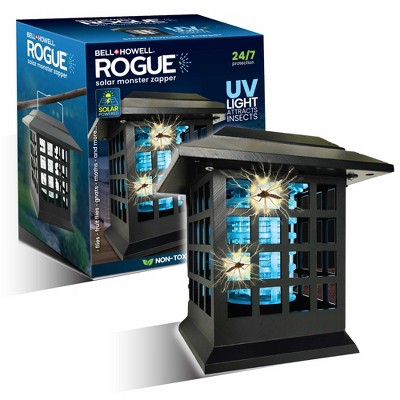
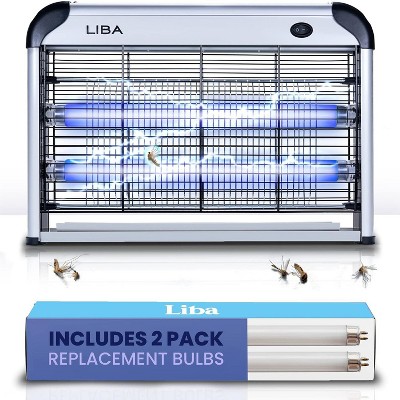
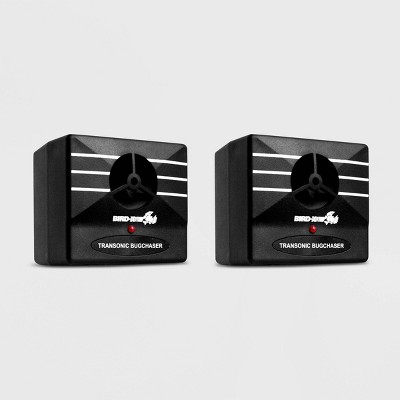
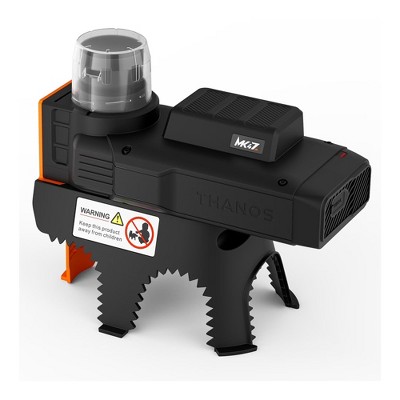
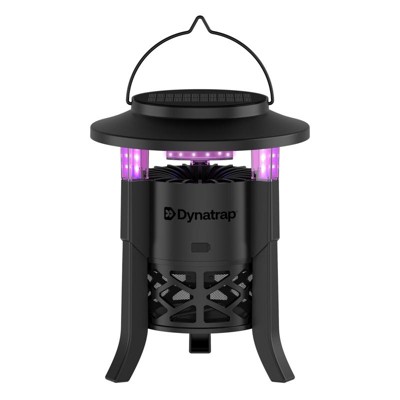
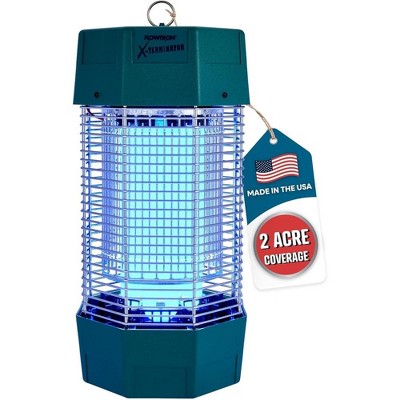
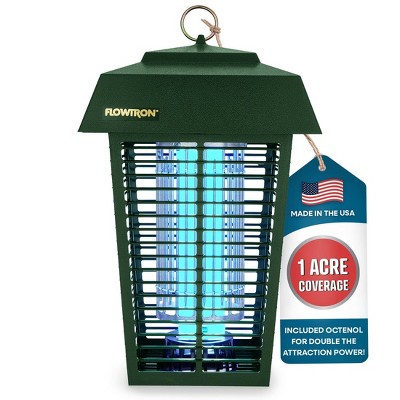
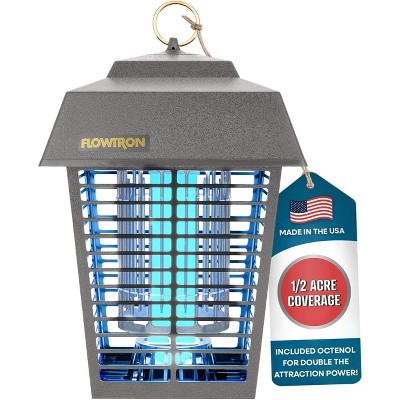
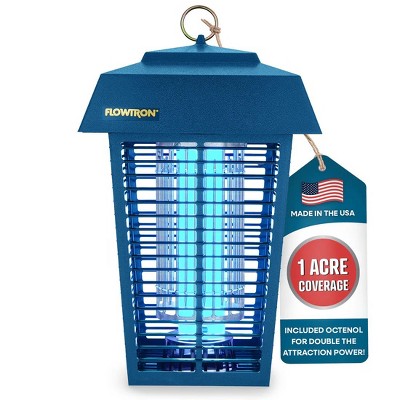
These machines target common flying pests such as house flies, fruit flies, gnats, mosquitoes, moths, and in some kits fungus gnats and non-biting midges.
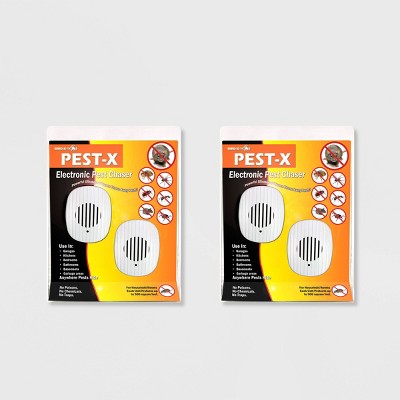
Most units plug into a standard wall outlet (many with a rotatable plug), hang from a ring or hook, or sit on a table or countertop for portable models. Product descriptions typically recommend locating traps near observed insect activity for best results.
Plug-in traps commonly use replaceable sticky cartridges or glue cards that should be changed when full or about monthly. Electric zappers usually have removable trays or brushes for easy cleaning; follow the manufacturer’s cleaning schedule.
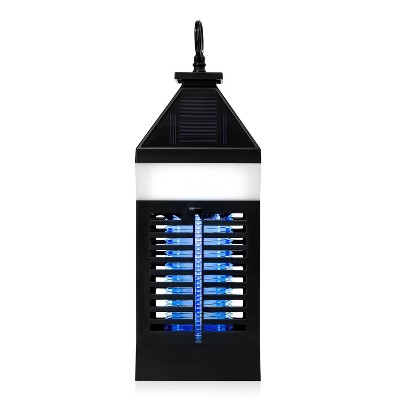
Light-based traps use UV or UV+blue LEDs to lure flying insects. Many product descriptions recommend leaving the light on continuously (24/7) or running it regularly to maintain trapping effectiveness.
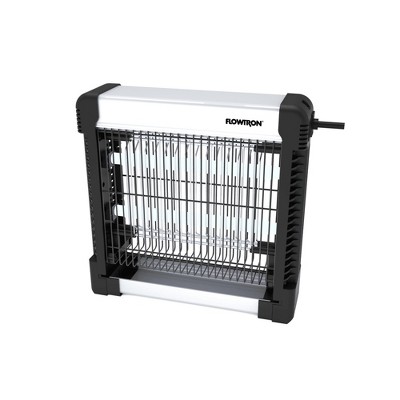
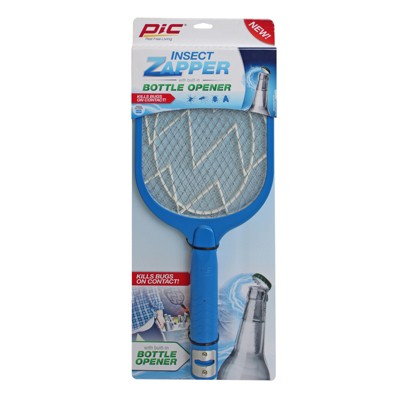
Common types include electric UV bug zappers (indoor or outdoor) with removable trays or protective mesh, plug-in light traps that use sticky refill cartridges or glue cards, and portable rechargeable zappers for cordless use.
Power options include plug-in electric units, rechargeable models, and battery-powered designs. Some listings note non-removable batteries in certain models, and at least one mentions a solar-powered or alternative no-battery option.
Many devices use hidden or shielded capture designs and back-of-card sticky refills so trapped insects aren’t visible. Some list “mess-free” refilling tabs or designs that avoid exposed sticky traps or sprays.