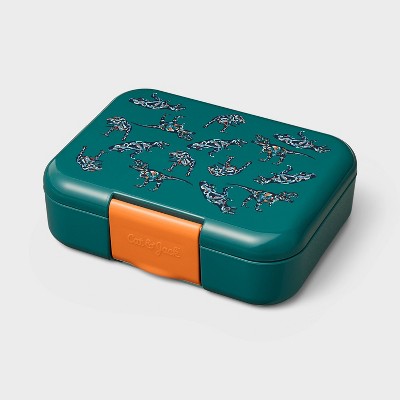
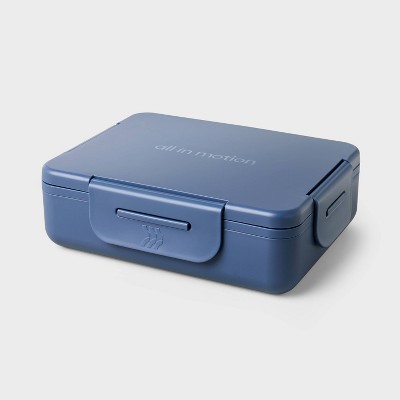
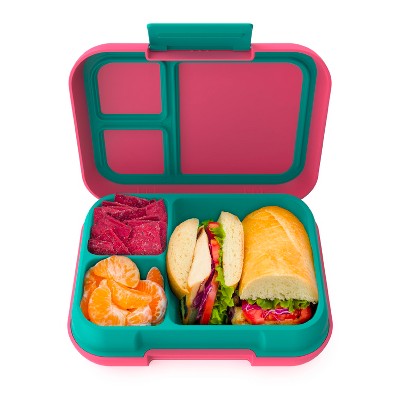
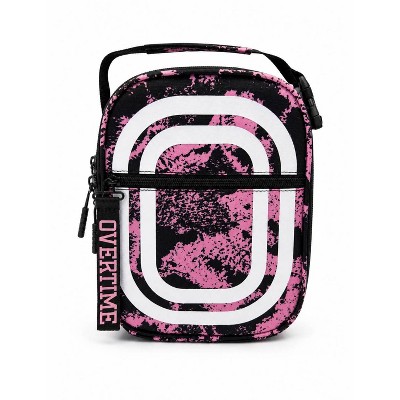
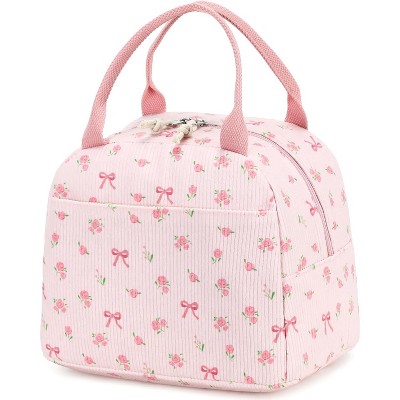
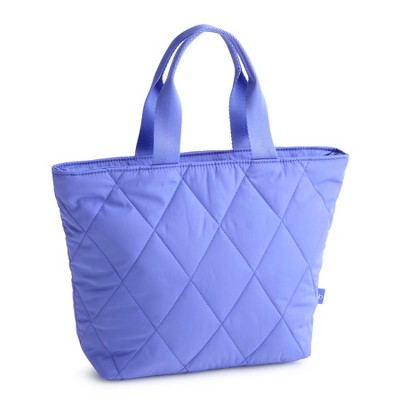
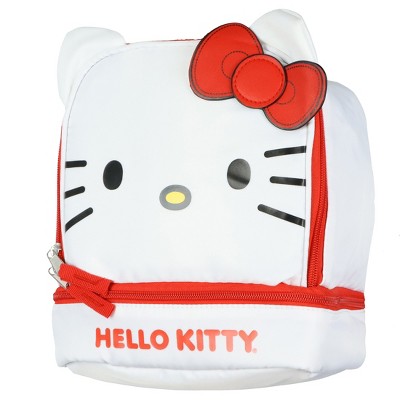
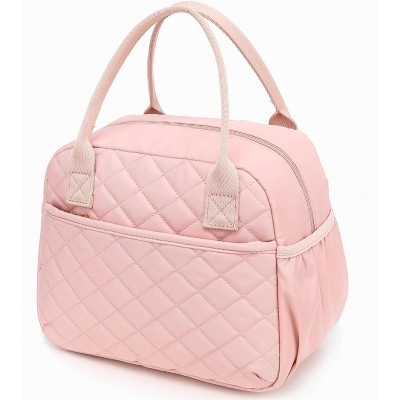
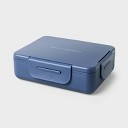
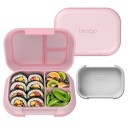
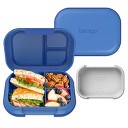
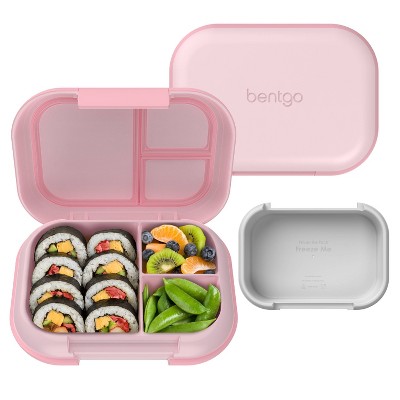
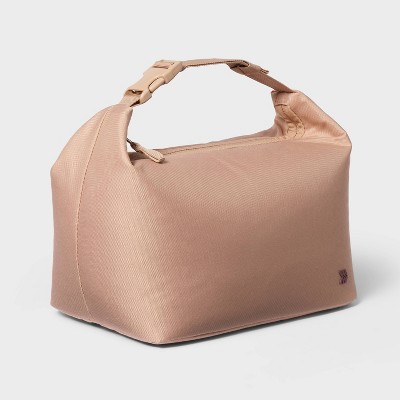
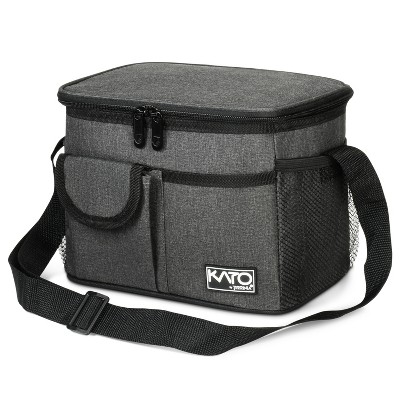
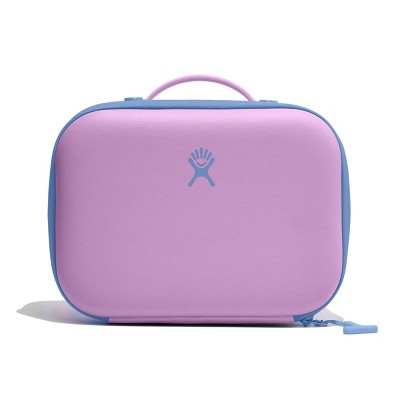
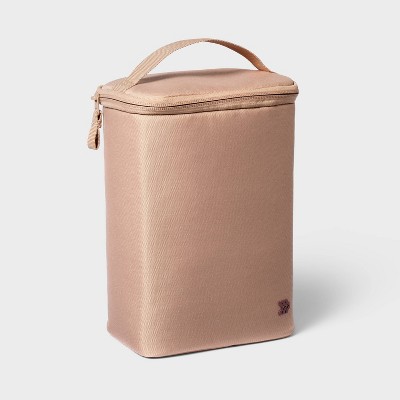
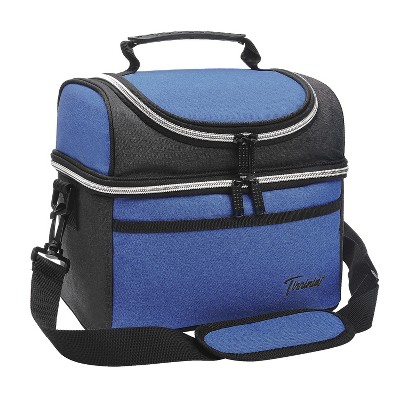
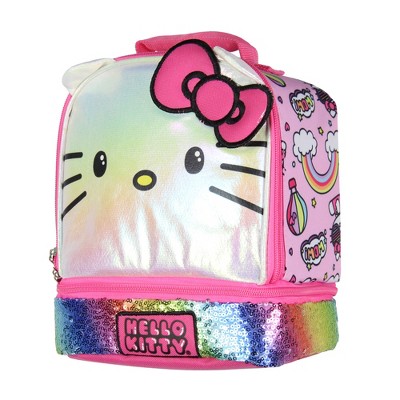
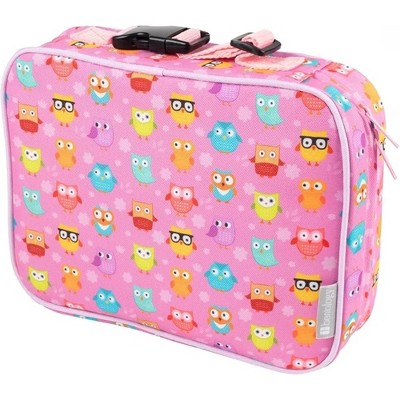
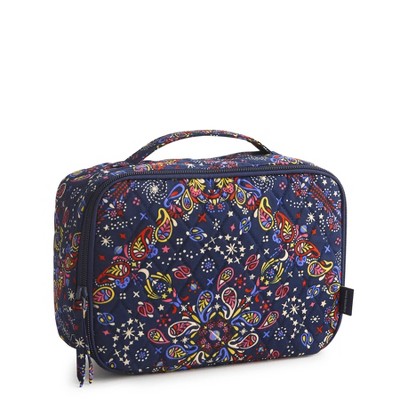
Insulated bento-style bags use layered thermal construction: an outer fabric (e.g., 300D oxford), an insulating foam layer (examples include 5mm "pearl" foam or closed-cell foam), and an inner liner such as EVA or heat-sealed PEVA. Some designs also use EVA inner layers or other closed-cell insulation for better thermal performance.
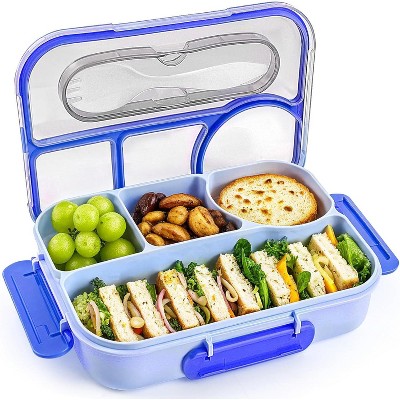
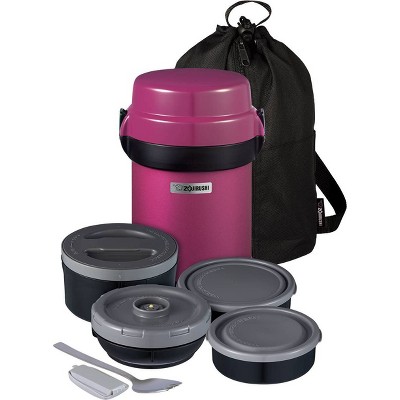
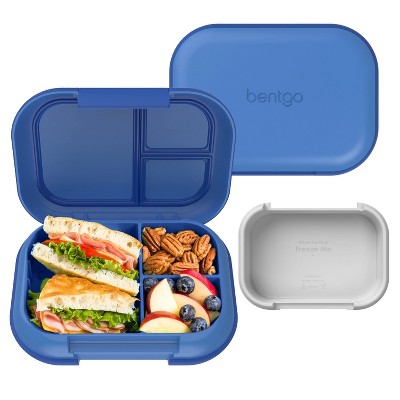
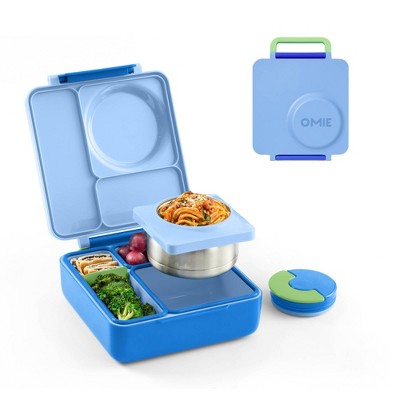
Capacities and sizes vary widely. Examples from the data include small bento trays around 3.33 cups, soft bags and totes at roughly 4.5 liters or 9 quarts, and expandable lunch bags advertised up to about 16 liters. Dimensions differ by model, so check product specs for exact volume and measurements.
Duration varies by model, insulation type, and conditions. In the provided examples, one bag explicitly claims about 5+ hours of temperature retention; other listings generally say they keep food "cold or hot for hours." Actual performance depends on factors like the bag’s insulation, use of ice packs, ambient temperature, and how much food is inside.
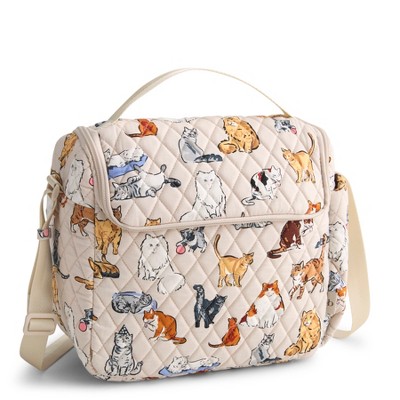
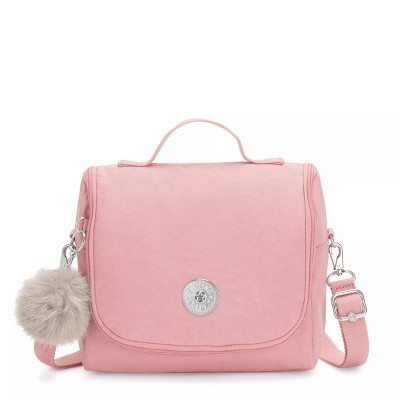
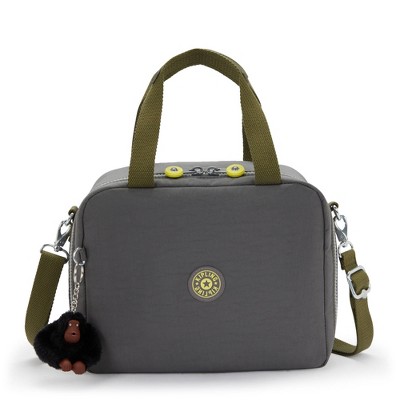
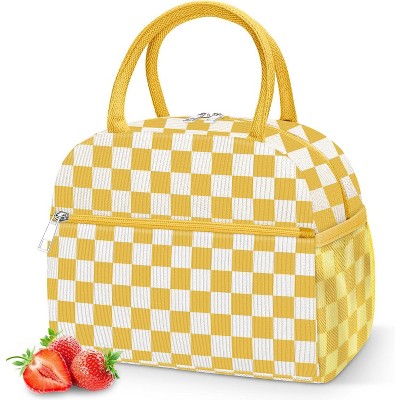
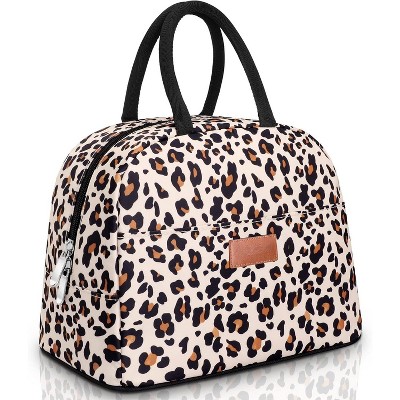
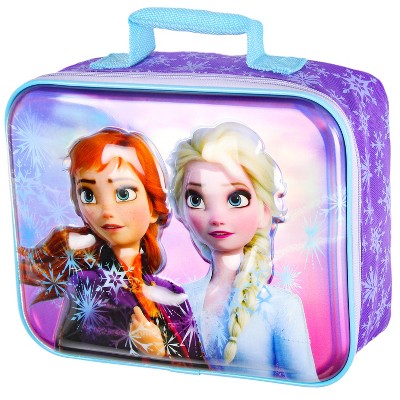
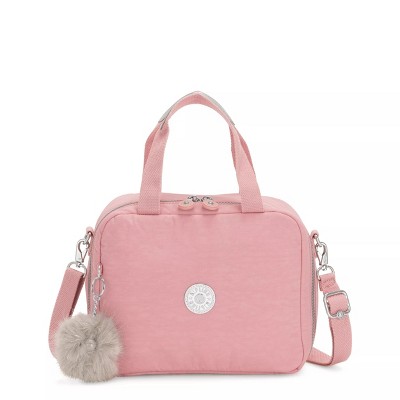
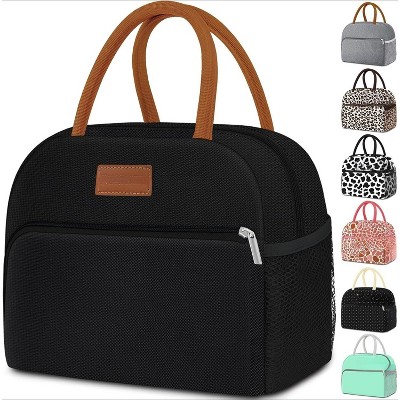
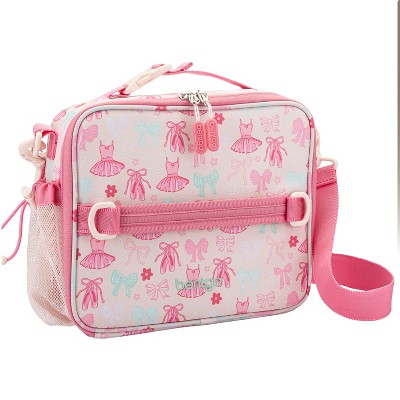
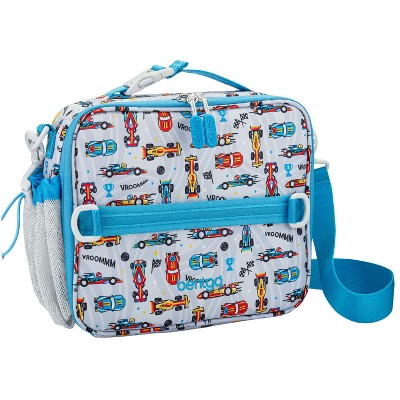
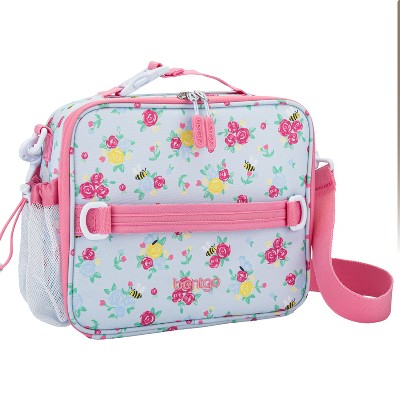
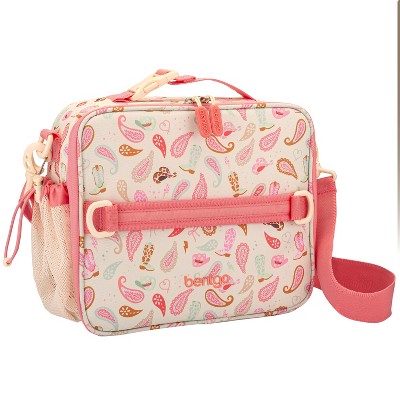
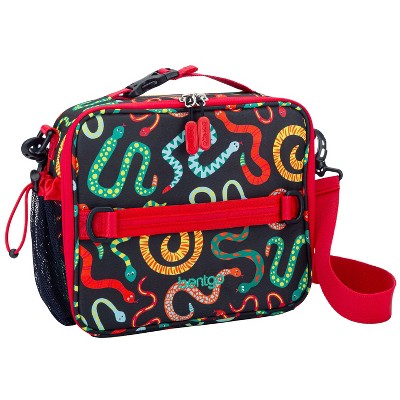
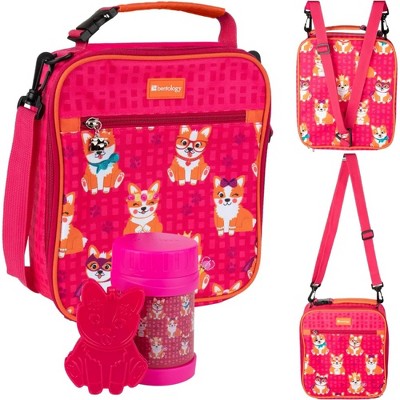
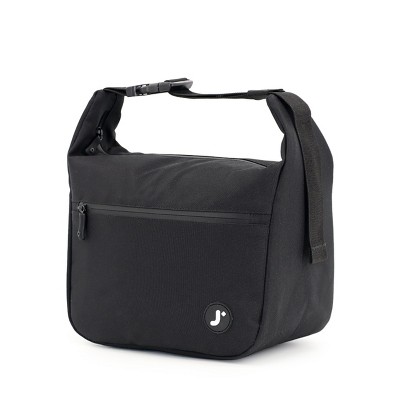
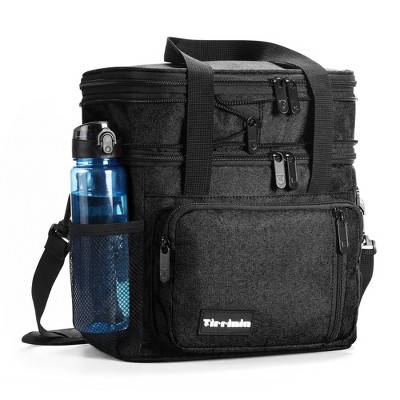
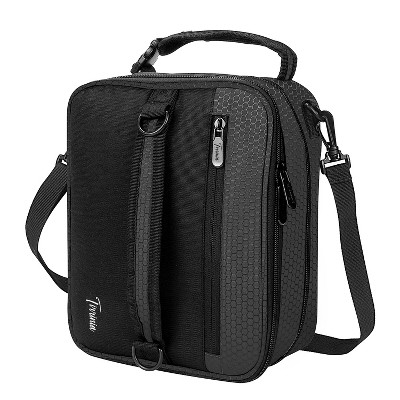
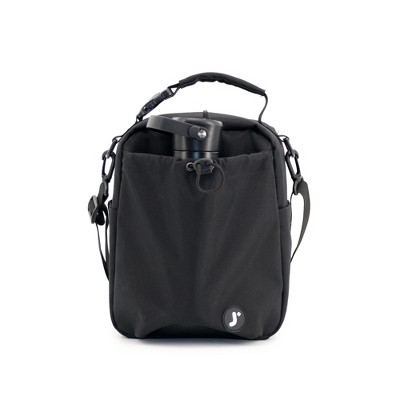
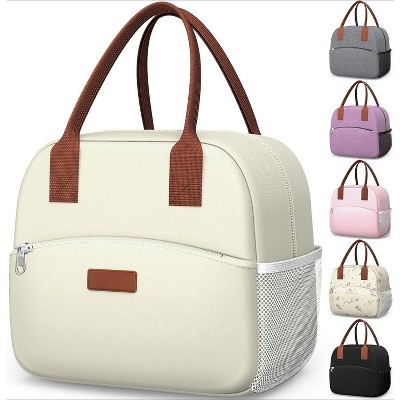
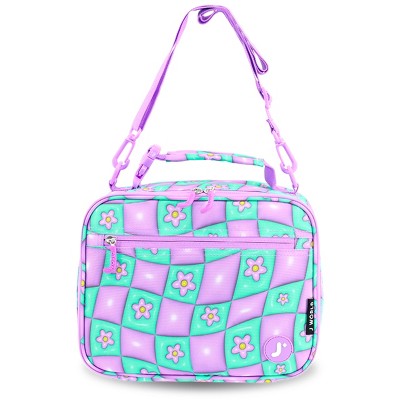
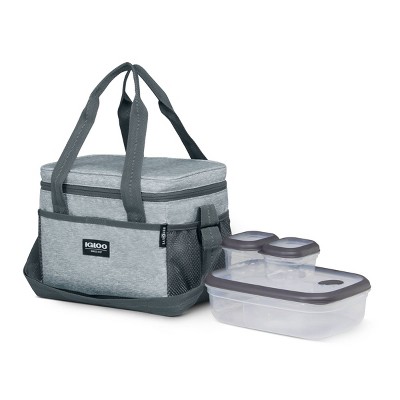
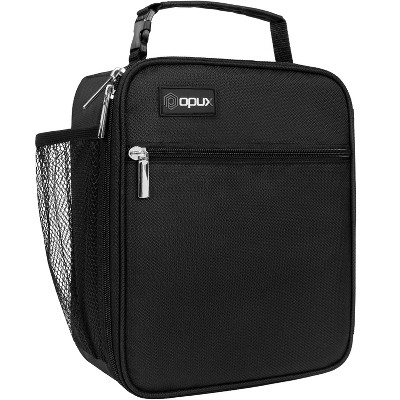
Common carrying and pocket features include top handles plus adjustable or detachable shoulder straps, interior mesh pockets for utensils or ice packs, and exterior pockets such as zippered front compartments or side bottle/mesh pockets. Some designs also fold flat or include clips/buckles for attachment.
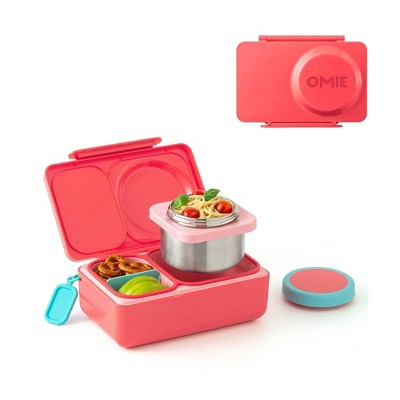
Typical leak-resistant features are heat-sealed inner liners (PEVA), closed-cell foam insulation, reinforced seam sealing, and easy-to-clean, wipeable interiors. Some bags advertise airtight or leakproof seals around compartments to reduce spills.


 + 6
+ 6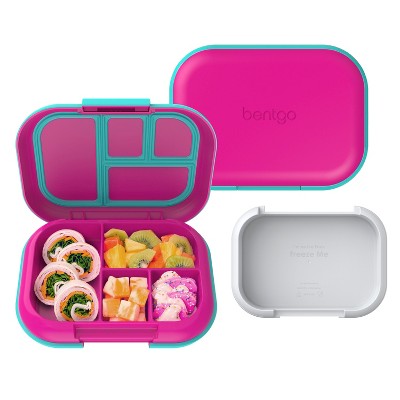


 + 6
+ 6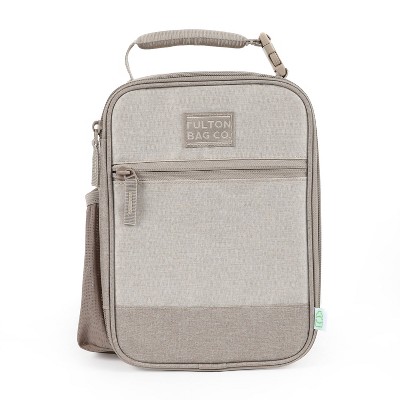


 + 1
+ 1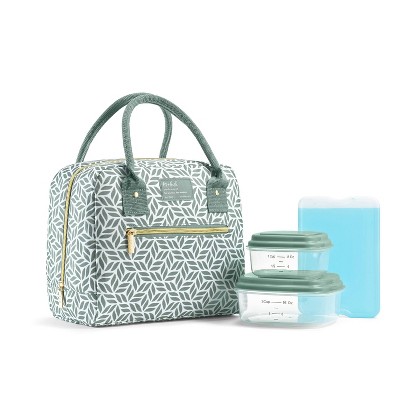


 + 2
+ 2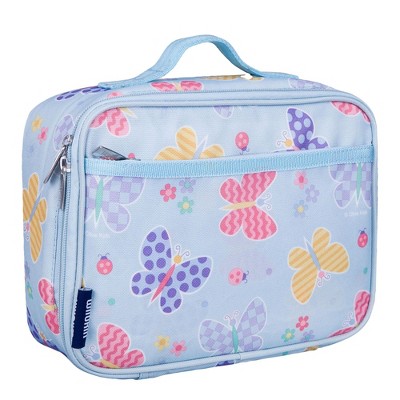


 + 32
+ 32