Target New ArrivalsBack to SchoolCollegeHalloweenClothing, Shoes & AccessoriesHome & DecorKitchen & DiningOutdoor Living & GardenGroceryHousehold EssentialsBabyBeautyPersonal CareSports & OutdoorsPetsHealthWellnessSchool & Office SuppliesToys & GamesElectronics & TechVideo GamesMovies, Music & BooksParty SuppliesGift IdeasGift CardsShop by CommunityTarget OpticalDealsClearanceNew ArrivalsBack to SchoolCollegeTop DealsTarget Circle DealsWeekly AdShop Order PickupShop Same Day DeliveryRegistryRedCardTarget CircleFind Stores

usb midi keyboard

1,000+ results for “usb midi keyboard”
Sponsored

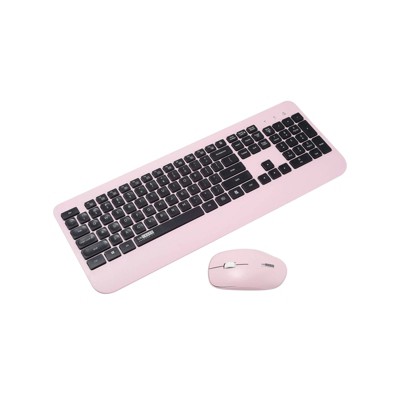
Microsoft Surface Pro 12" Keyboard Violet

Microsoft Surface Pro 12" Keyboard Slate

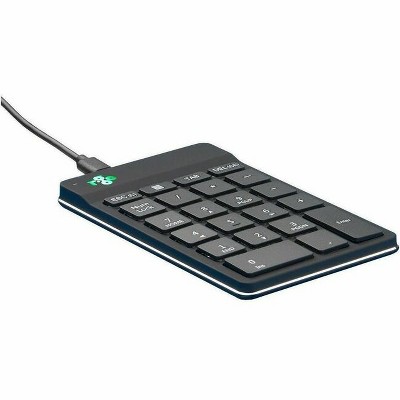
North Compact Round Key Wireless Keyboard

Microsoft Surface Pro 12" Keyboard Ocean

Sponsored

Powered by AI

Guests also ask:

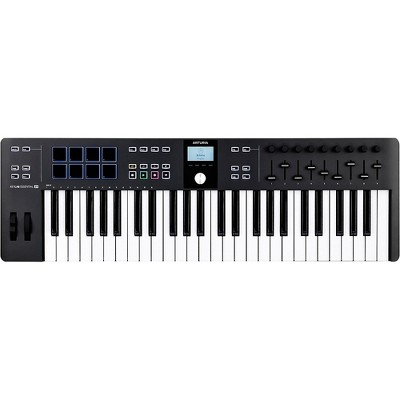
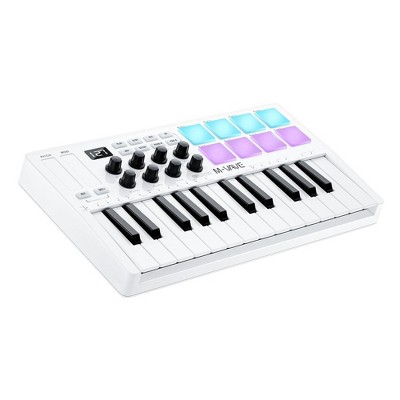
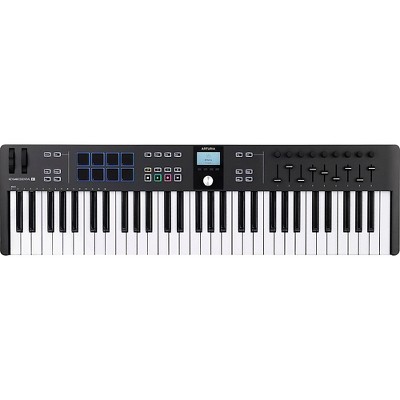
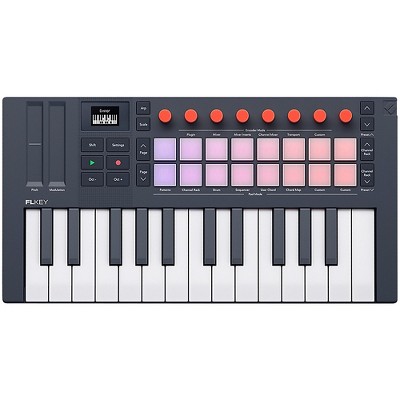
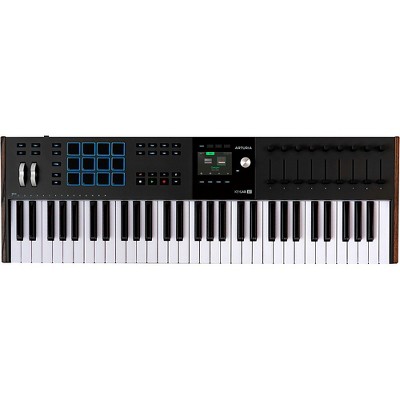
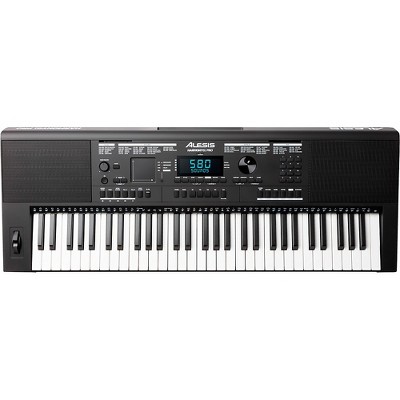
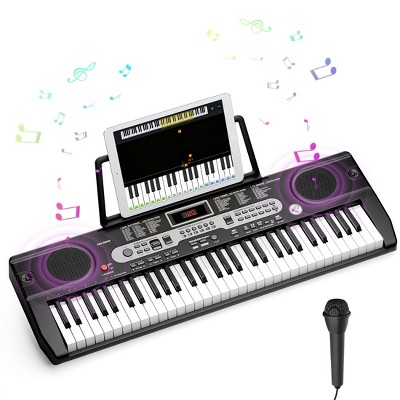
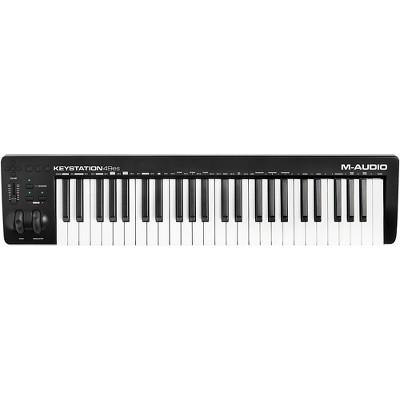
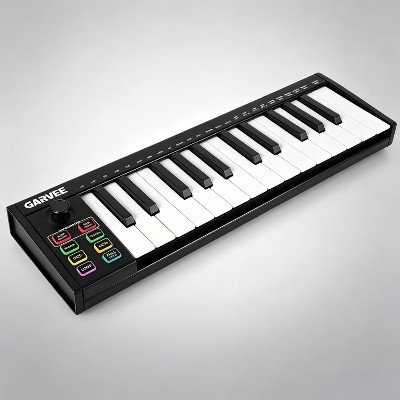
Common key counts are 25, 49, and 61 keys, covering ultra-compact 25-key controllers up to five-octave 61-key models used for more extensive playability.

Most controllers use USB or USB-C class-compliant connections for plug-and-play with computers and iOS devices. Power options commonly include USB bus power; some models can run on AA batteries or offer optional battery power.

Some controllers include a built-in audio interface with 24-bit/96 kHz conversion, balanced stereo and headphone outputs, a combo input for line/instrument/mic, and 48V phantom power with a Class‑A preamp.

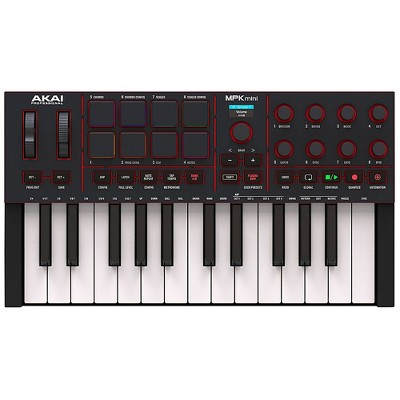
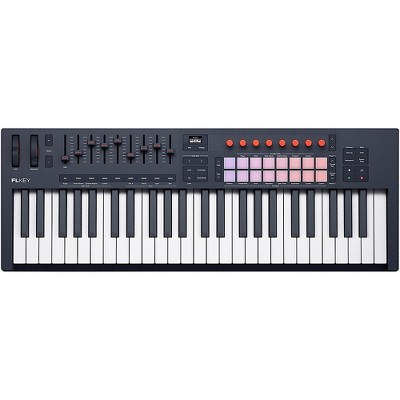
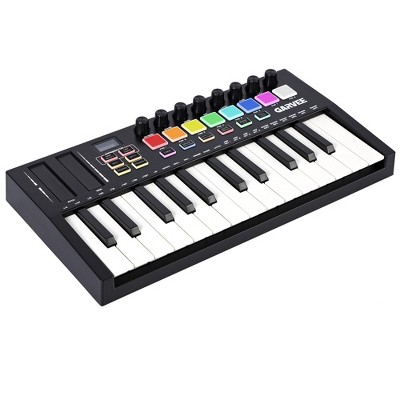
Controllers commonly offer velocity-sensitive pads (typically 8 up to 16 pads), some support pressure/aftertouch on pads, and many include touch strips for pitch/modulation or assignable controls.

Typical controls include faders and encoders/knobs (examples are sets like eight encoders and nine faders), transport and DAW buttons, assignable knobs, and auto-mapped modes for fast workflow control.

Many controllers include a sustain pedal input (1/4" TS). Some models add combo jacks for line/instrument/mic, and units with audio interfaces can offer 48V phantom power for condenser microphones.

Get top deals, latest trends, and more.