Target New ArrivalsBack to SchoolCollegeClothing, Shoes & AccessoriesHome & DecorKitchen & DiningOutdoor Living & GardenGroceryHousehold EssentialsBabyBeautyPersonal CareSports & OutdoorsHealthWellnessSchool & Office SuppliesToys & GamesElectronics & TechVideo GamesMovies, Music & BooksParty SuppliesGift IdeasGift CardsPetsUlta Beauty at TargetShop by CommunityTarget OpticalDealsClearanceNew ArrivalsBack to SchoolCollegeTop DealsTarget Circle DealsWeekly AdShop Order PickupShop Same Day DeliveryRegistryRedCardTarget CircleFind Stores

wheat spaghetti

40 results for “wheat spaghetti”
Powered by AI

Guests also ask:

Common types include thin/spaghettini, regular durum‑wheat spaghetti, whole‑wheat spaghetti, specialty varieties such as black (squid‑ink) spaghetti, and higher‑protein pastas (for example, those made with lupini bean flour).

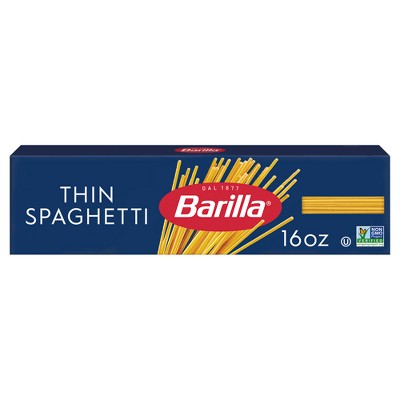
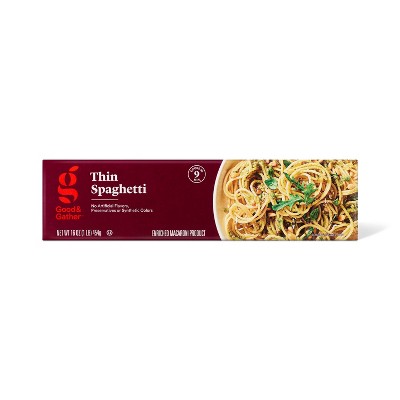
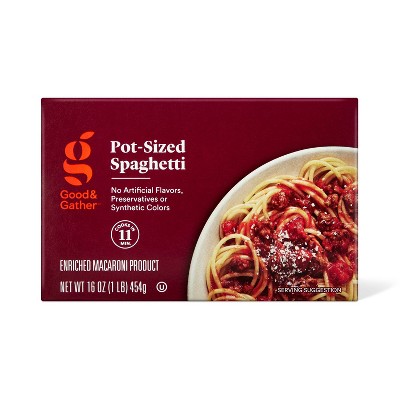
Cooking times typically range from about 6 minutes for thin strands (spaghettini) up to around 11 minutes for regular spaghetti, with many products listing 7–10 minutes.

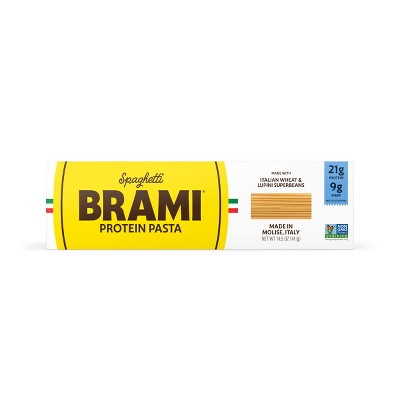
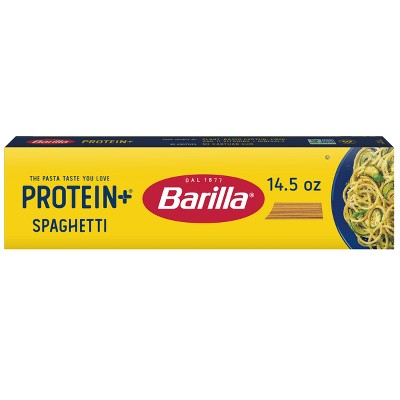
Whole‑wheat spaghetti emphasizes whole‑grain content (one listing shows 56 g whole grains per serving). Protein‑focused spaghetti highlights higher protein and fiber (one lists 21 g protein and 9 g fiber per serving) and lower carbohydrates versus regular pasta.

Common labels include non‑GMO and kosher certification, whole‑grain claims, and clean‑label notes such as “no preservatives” or “no artificial flavors.” Some products are labeled suitable for vegetarians and note absence of certain major allergens.

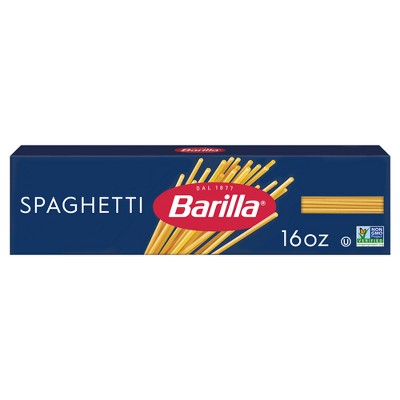
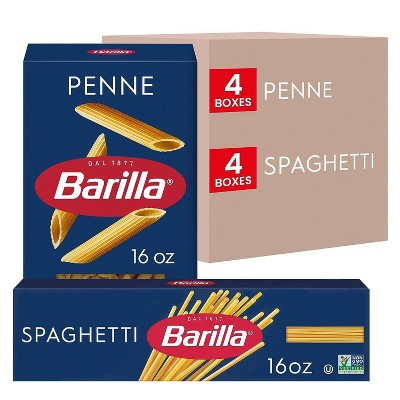
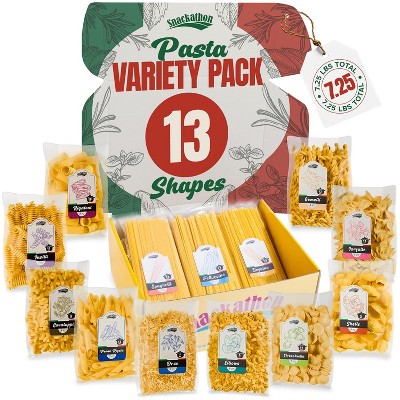
Typical package sizes include single 14–16 oz bags (for example, 16 oz), 500 g (about 17.6 oz) bags sold singly or as two‑packs, and larger multi‑pack or variety pack options (one listing shows a combined 128 oz pack).

Thin spaghetti (spaghettini) is recommended with lighter sauces—butter, oil‑based dressings, pesto, or light tomato sauces. Regular spaghetti works well with both simple oil‑based sauces and heartier meat or cream sauces. Squid‑ink and other delicate varieties are often paired with seafood or light preparations.

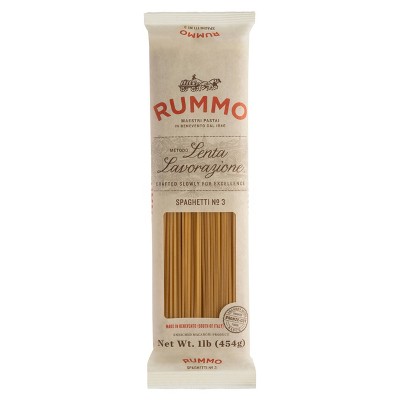
Many descriptions emphasize bronze‑die (bronze‑cut) extrusion, which produces a rougher surface that helps sauce cling, and they often highlight an "al dente" texture.

Get top deals, latest trends, and more.