yoghurt pouches
Popular Filters
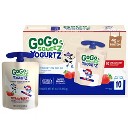
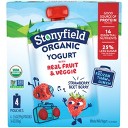
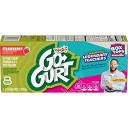
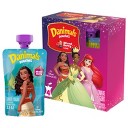

214 results for “yoghurt pouches”
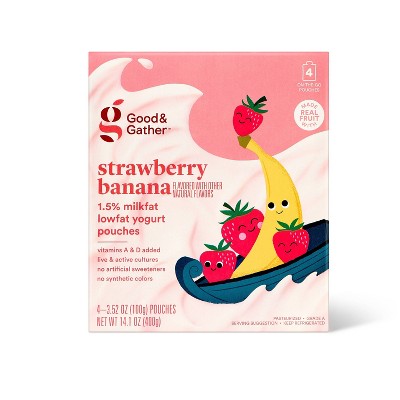
$3.89($0.28/ounce)
Loved for: convenient packaging
SNAP EBT eligible
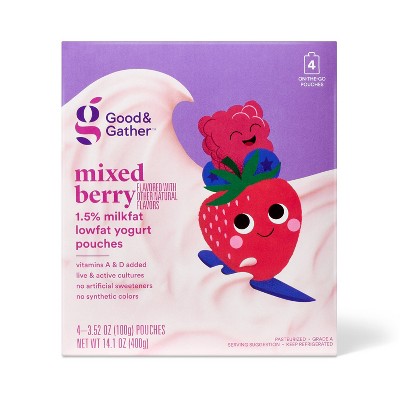
$3.89($0.28/ounce)
Loved for: convenient packaging
SNAP EBT eligible
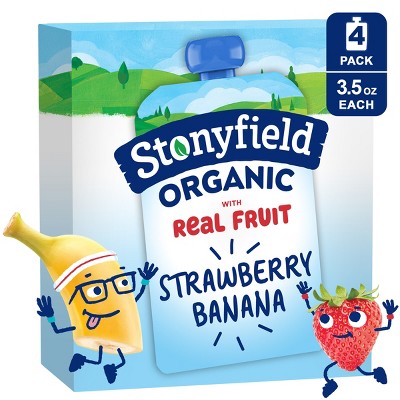
$6.92($0.49/ounce)
Select items on sale
Loved for: great taste
SNAP EBT eligible
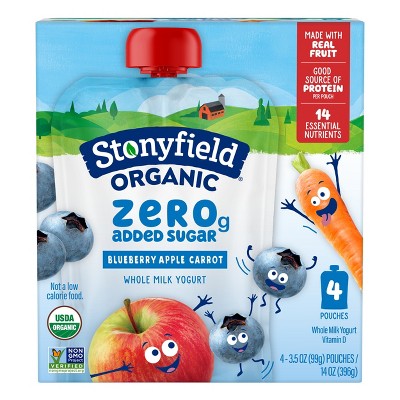
$6.92($0.49/ounce)
reg $7.69
Sale
SNAP EBT eligible
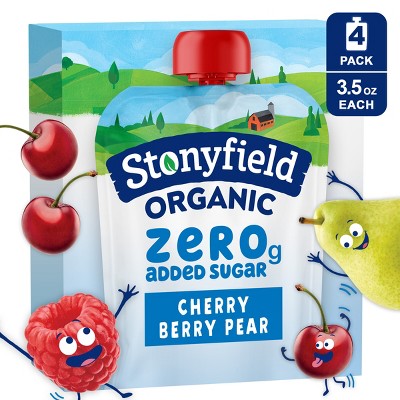
$6.92($0.49/ounce)
reg $7.69
Sale
SNAP EBT eligible
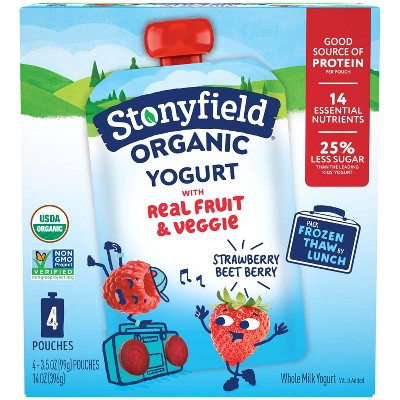
$6.92($0.49/ounce)
reg $7.69
Sale
Loved for: hidden veggies
SNAP EBT eligible
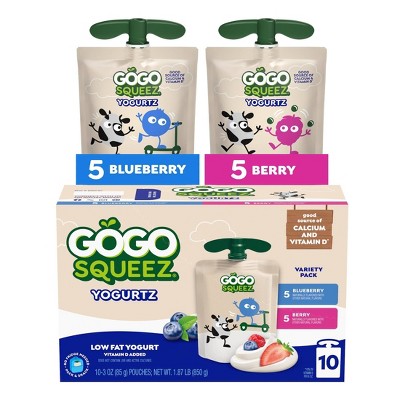
$9.49($0.32/ounce)
Loved for: great taste
SNAP EBT eligible
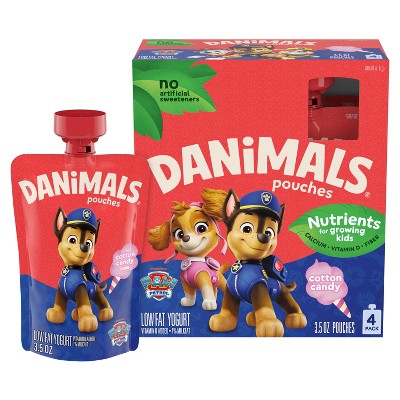
$4.79($0.34/ounce)
Loved for: easy to use
SNAP EBT eligible
Recommendations for you
- Highly rated$9.99 - $59.99$20 Target GiftCard with $100 diapers & wipes purchase4.8 out of 5 stars with 75523 ratings
- Highly rated$6.29 - $19.99Select items on saleBuy 1, get 1 25% off up&up™ home essentials4.6 out of 5 stars with 8978 ratings
- Highly rated$3.49 - $6.19Buy 2 for $9 cold cereal on select items4.7 out of 5 stars with 16313 ratings
- $6.99($0.64/ounce)reg $8.49 Sale4.7 out of 5 stars with 1623 ratings
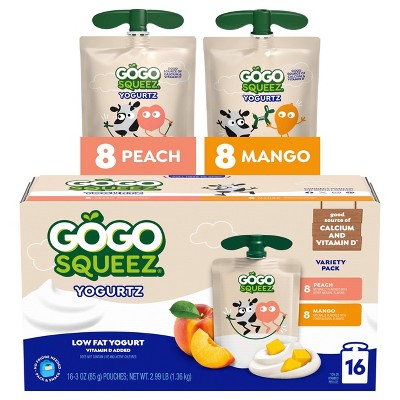
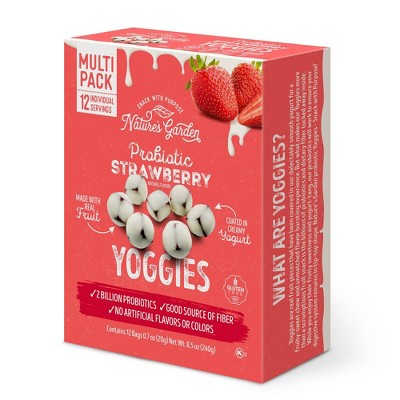
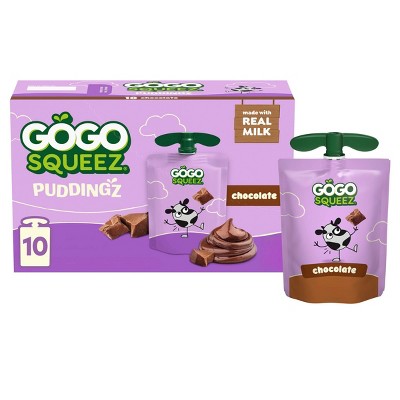
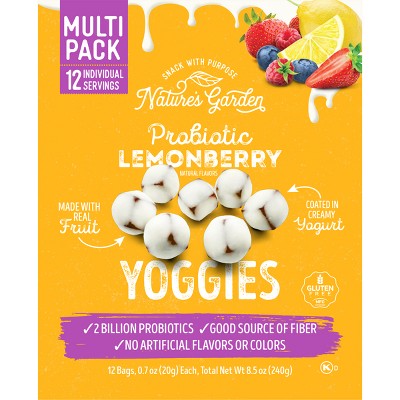
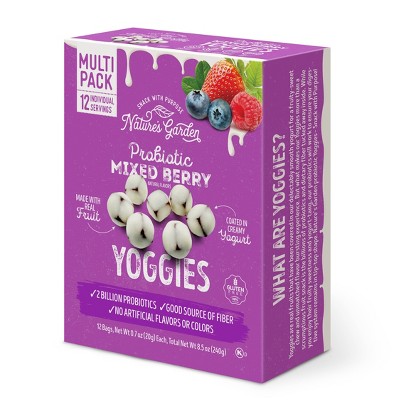
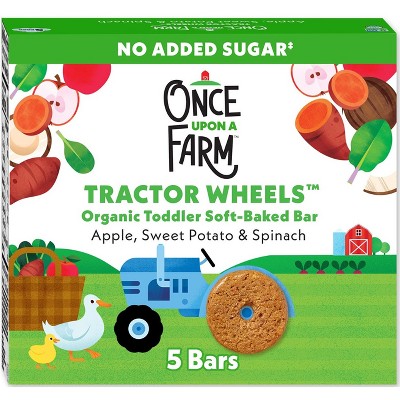
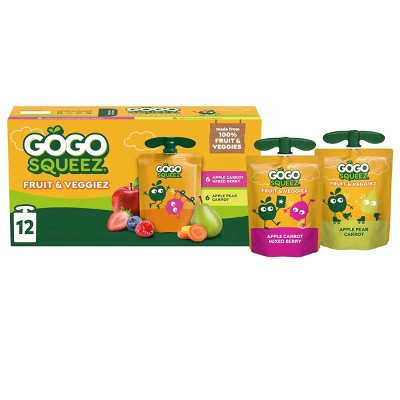
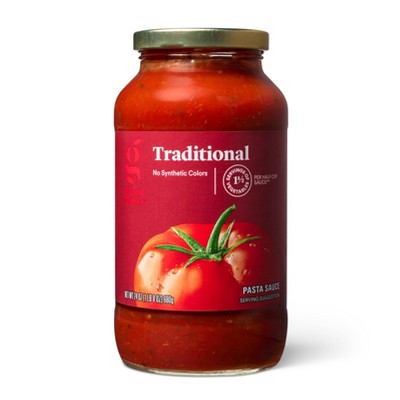
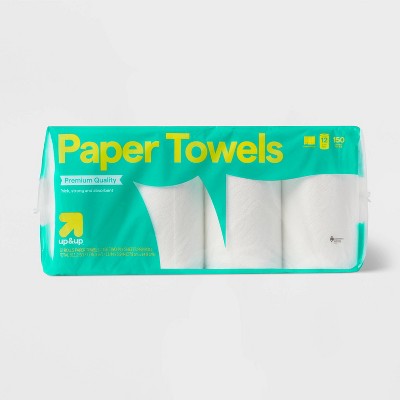
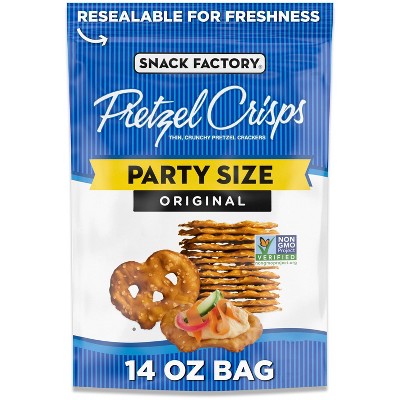
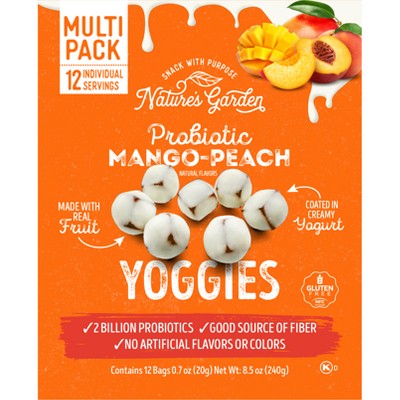
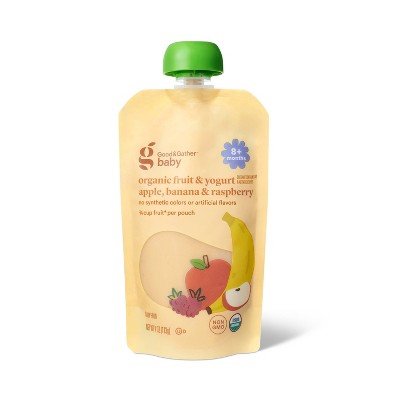
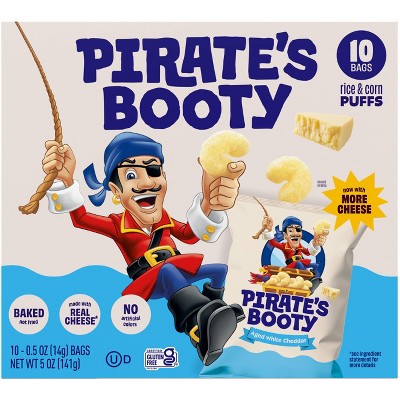
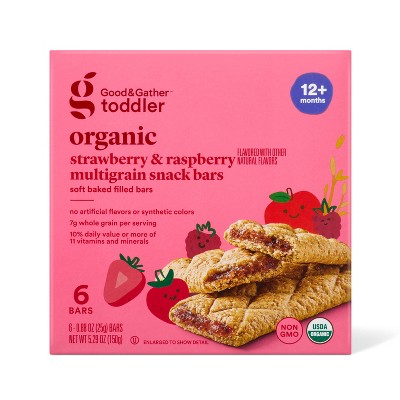
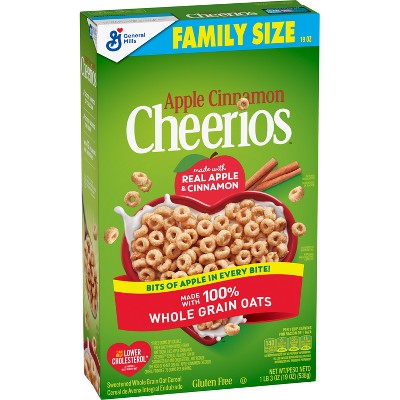
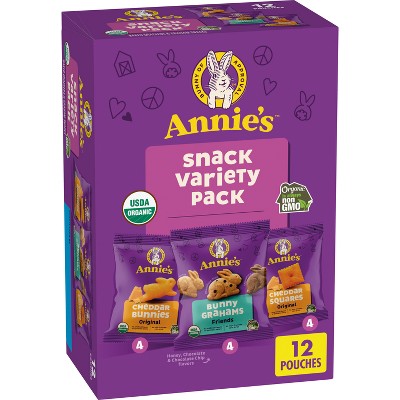
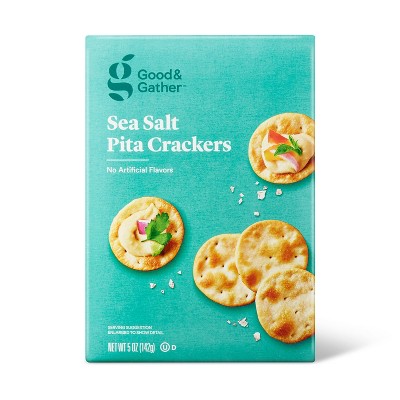
Sponsored
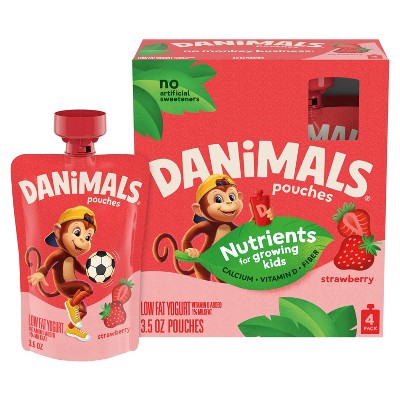
$4.79($0.34/ounce)
Loved for: easy to use
SNAP EBT eligible
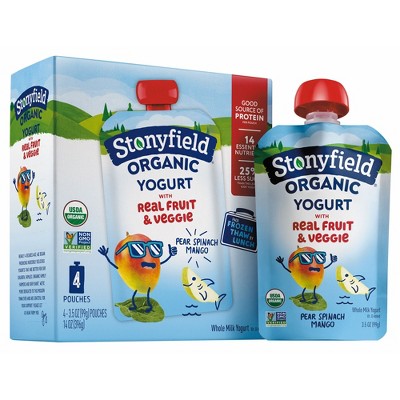
$6.92($0.49/ounce)
reg $7.69
Sale
Loved for: hidden veggies
SNAP EBT eligible
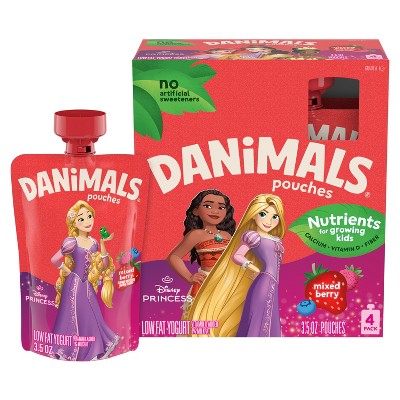
$4.79($0.34/ounce)
Loved for: easy to use
SNAP EBT eligible
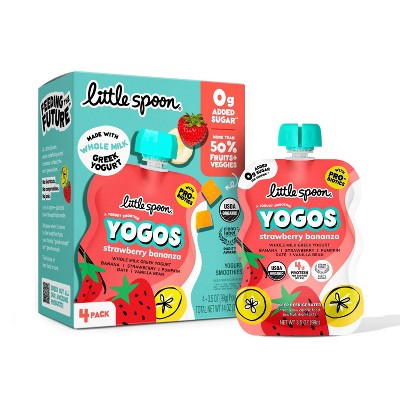
$11.99($0.86/ounce)
Loved for: great flavor
SNAP EBT eligible
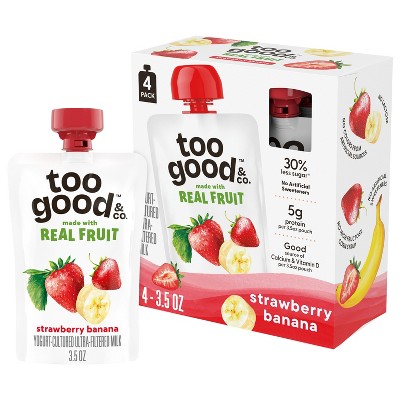
$4.89($0.35/ounce)
SNAP EBT eligible
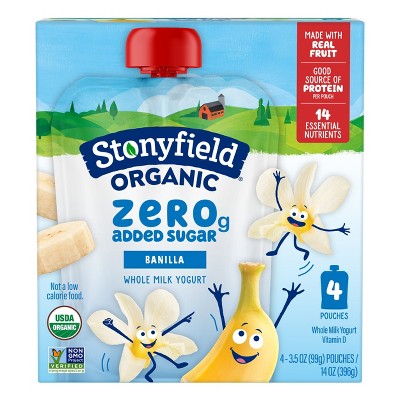
$6.92($0.49/ounce)
reg $7.69
Sale
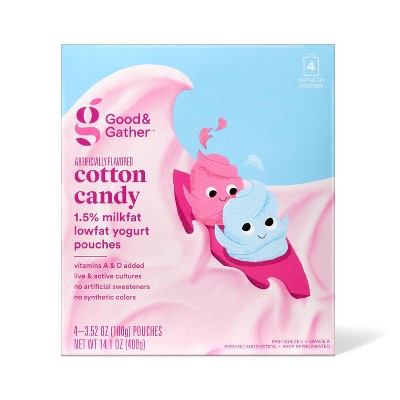
$3.89($0.28/ounce)
Loved for: convenient packaging
SNAP EBT eligible
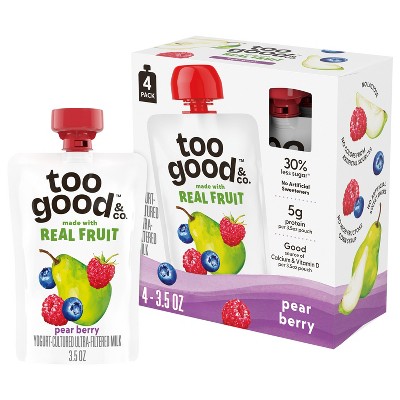
$4.89($0.35/ounce)
SNAP EBT eligible
Related deals
- $3.78($0.37/ounce)Value Bundle4.7 out of 5 stars with 562 ratings
- $3.78($0.32/ounce)Value Bundle4.7 out of 5 stars with 364 ratings
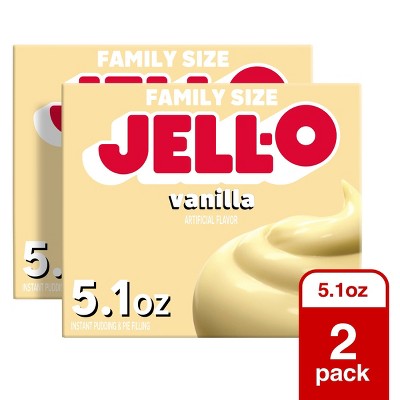
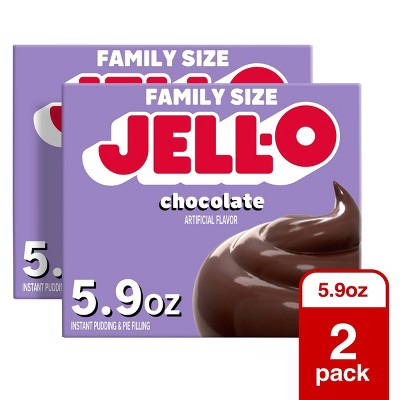
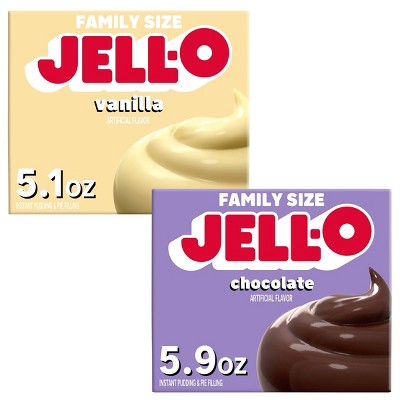
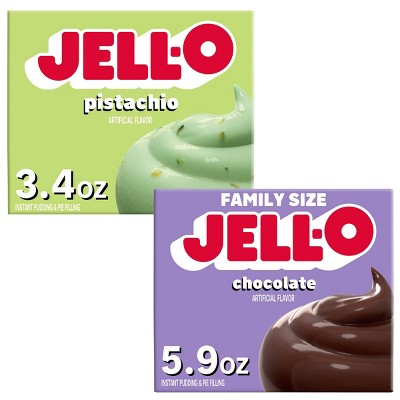
Sponsored
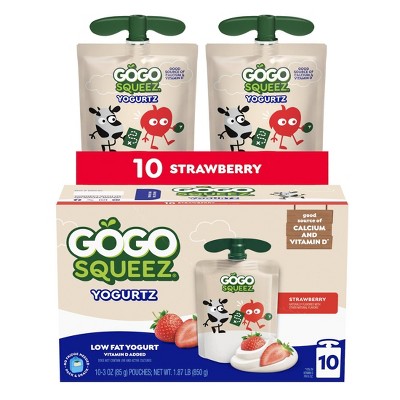
$9.49($0.32/ounce)
Loved for: great taste
SNAP EBT eligible
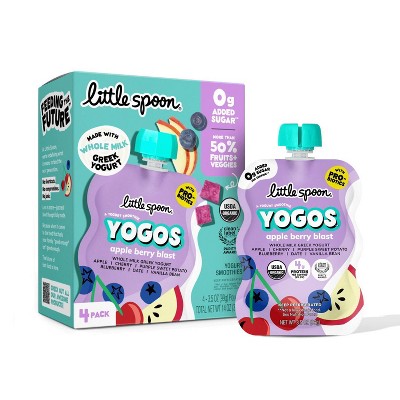
$11.99($0.86/ounce)
Loved for: nutritional value
SNAP EBT eligible
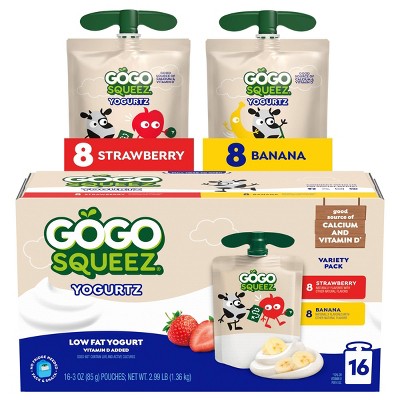
$13.79($0.29/ounce)
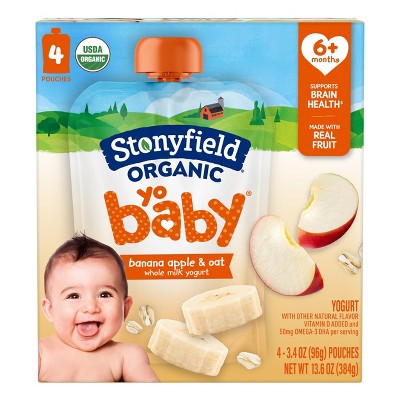
$7.01($0.52/ounce)
reg $7.79
Sale
SNAP EBT eligible
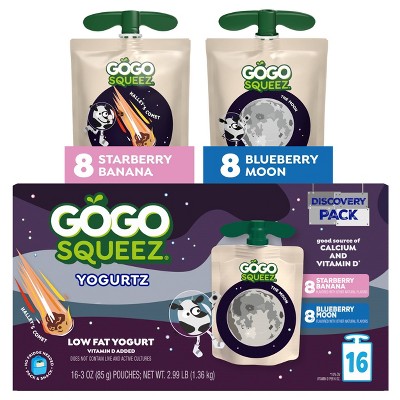
$13.79($0.29/ounce)
Loved for: great flavors
SNAP EBT eligible
Sponsored