New ArrivalsEasterClothing, Shoes & AccessoriesHomeKitchen & DiningOutdoor Living & GardenFurnitureGroceryHousehold EssentialsBabyBeautyPersonal CareHealthWellnessBackpacks & LuggageSports & OutdoorsToysElectronicsVideo GamesMovies, Music & BooksSchool & Office SuppliesParty SuppliesGift IdeasGift CardsPetsUlta Beauty at TargetShop by CommunityTarget OpticalDealsClearanceTarget New ArrivalsRoller Rabbit x TargetEasterHome Decor Ideas & TrendsTop DealsTarget Circle DealsWeekly AdShop Order PickupShop Same Day DeliveryRegistryRedCardTarget CircleFind Stores
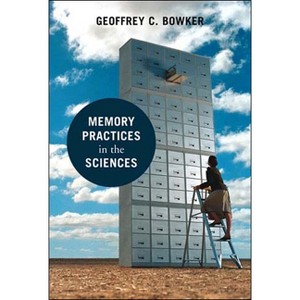
Memory Practices in the Sciences - (Inside Technology) by  Geoffrey C Bowker (Paperback) - 1 of 1

Memory Practices in the Sciences - (Inside Technology) by Geoffrey C Bowker (Paperback)

$30.00

In Stock

Free & easy returns

Free & easy returns

Return this item by mail or in store within 90 days for a full refund.
Eligible for registries and wish lists

About this item

Highlights

  • How the way we hold knowledge about the past--in books, in file folders, in databases--affects the kind of stories we tell about the past.The way we record knowledge, and the web of technical, formal, and social practices that surrounds it, inevitably affects the knowledge that we record.
  • About the Author: Geoffrey C. Bowker is Professor and Director of the Evoke Lab at the University of California, Irvine.
  • 274 Pages
  • Science, Philosophy & Social Aspects
  • Series Name: Inside Technology

Description


About the Book


How the way we hold knowledge about the past--in books, in file folders, in databases--affects the kind of stories we tell about the past.


Book Synopsis


How the way we hold knowledge about the past--in books, in file folders, in databases--affects the kind of stories we tell about the past.

The way we record knowledge, and the web of technical, formal, and social practices that surrounds it, inevitably affects the knowledge that we record. The ways we hold knowledge about the past--in handwritten manuscripts, in printed books, in file folders, in databases--shape the kind of stories we tell about that past. In this lively and erudite look at the relation of our information infrastructures to our information, Geoffrey Bowker examines how, over the past two hundred years, information technology has converged with the nature and production of scientific knowledge. His story weaves a path between the social and political work of creating an explicit, indexical memory for science--the making of infrastructures--and the variety of ways we continually reconfigure, lose, and regain the past.

At a time when memory is so cheap and its recording is so protean, Bowker reminds us of the centrality of what and how we choose to forget. In Memory Practices in the Sciences he looks at three "memory epochs" of the nineteenth, twentieth, and twenty-first centuries and their particular reconstructions and reconfigurations of scientific knowledge. The nineteenth century's central science, geology, mapped both the social and the natural world into a single time package (despite apparent discontinuities), as, in a different way, did mid-twentieth-century cybernetics. Both, Bowker argues, packaged time in ways indexed by their information technologies to permit traffic between the social and natural worlds. Today's sciences of biodiversity, meanwhile, "database the world" in a way that excludes certain spaces, entities, and times. We use the tools of the present to look at the past, says Bowker; we project onto nature our modes of organizing our own affairs.


Review Quotes


Bowker offers a playful and richly textured look at the way we maintain records of the past and the multitude of purposes such memory practices can serve in the present. In so doing he reminds readers that the context in which we record the past shapes the stories we can tell.--Stephanie Young, Historical Studies in the Physical and Biological Sciences--

Every reader will find much to ponder in this provocative exploration of the relationship of the present to the past.

--Jean Alexander, College and Research Libraries--


About the Author


Geoffrey C. Bowker is Professor and Director of the Evoke Lab at the University of California, Irvine. He is the coauthor (with Susan Leigh Star) of Sorting Things Out: Classification and Its Consequences and the author of Memory Practices in the Sciences, both published by the MIT Press.
Dimensions (Overall): 8.93 Inches (H) x 6.03 Inches (W) x .54 Inches (D)
Weight: .83 Pounds
Suggested Age: 22 Years and Up
Number of Pages: 274
Genre: Science
Sub-Genre: Philosophy & Social Aspects
Series Title: Inside Technology
Publisher: MIT Press
Format: Paperback
Author: Geoffrey C Bowker
Language: English
Street Date: April 1, 2008
TCIN: 88266162
UPC: 9780262524896
Item Number (DPCI): 247-27-0321
Origin: Made in the USA or Imported
If the item details aren’t accurate or complete, we want to know about it.

Shipping details

Estimated ship dimensions: 0.54 inches length x 6.03 inches width x 8.93 inches height
Estimated ship weight: 0.83 pounds
We regret that this item cannot be shipped to PO Boxes.
This item cannot be shipped to the following locations: American Samoa (see also separate entry under AS), Guam (see also separate entry under GU), Northern Mariana Islands, Puerto Rico (see also separate entry under PR), United States Minor Outlying Islands, Virgin Islands, U.S., APO/FPO, Alaska, Hawaii

Return details

This item can be returned to any Target store or Target.com.
This item must be returned within 90 days of the date it was purchased in store, delivered to the guest, delivered by a Shipt shopper, or picked up by the guest.
See the return policy for complete information.

Q: What is the author's position and background?

submitted by AI Shopping Assistant - 9 days ago
  • A: Geoffrey C. Bowker is a Professor and Director at the Evoke Lab at UC Irvine with expertise in information practices.

    submitted byAI Shopping Assistant - 9 days ago
    Ai generated

Q: What is the structure of the book?

submitted by AI Shopping Assistant - 9 days ago
  • A: The book consists of 274 pages, discussing various memory practices and their implications for scientific knowledge.

    submitted byAI Shopping Assistant - 9 days ago
    Ai generated

Q: How does the author approach the concept of memory?

submitted by AI Shopping Assistant - 9 days ago
  • A: The author examines three memory epochs and explores how information technologies influence our understanding and storytelling of the past.

    submitted byAI Shopping Assistant - 9 days ago
    Ai generated

Q: What topics are covered in the book?

submitted by AI Shopping Assistant - 9 days ago
  • A: The book covers the relationship between memory practices and the recording of scientific knowledge across different historical periods.

    submitted byAI Shopping Assistant - 9 days ago
    Ai generated

Q: Who is the target audience for this book?

submitted by AI Shopping Assistant - 9 days ago
  • A: The book is intended for readers aged 22 and up, particularly those interested in science and philosophy.

    submitted byAI Shopping Assistant - 9 days ago
    Ai generated

Additional product information and recommendations
Get top deals, latest trends, and more.

Privacy policy

Footer

About Us

About TargetCareersNews & BlogTarget BrandsBullseye ShopSustainability & GovernancePress CenterAdvertise with UsInvestorsAffiliates & PartnersSuppliersTargetPlus

Help

Target HelpReturnsTrack OrdersRecallsContact UsFeedbackAccessibilitySecurity & FraudTeam Member ServicesLegal & Privacy

Stores

Find a StoreClinicPharmacyTarget OpticalMore In-Store Services

Services

Target Circle™Target Circle™ CardTarget Circle 360™Target AppRegistrySame Day DeliveryOrder PickupDrive UpFree 2-Day ShippingShipping & DeliveryMore Services
PinterestFacebookInstagramXYoutubeTiktokTermsCA Supply ChainPrivacy PolicyCA Privacy RightsYour Privacy ChoicesInterest Based AdsHealth Privacy Policy