Target New ArrivalsGift Ideas for DadFourth of JulyClothing, Shoes & AccessoriesHome & DecorKitchen & DiningOutdoor Living & GardenGroceryHousehold EssentialsBabyBeautyPersonal CareSports & OutdoorsHealthWellnessLuggageSchool & Office SuppliesToys & GamesElectronicsVideo GamesMovies, Music & BooksParty SuppliesGift IdeasGift CardsPetsUlta Beauty at TargetShop by CommunityTarget OpticalDealsClearanceNew ArrivalsGift Ideas for DadBack to SchoolCollegeTop DealsTarget Circle DealsWeekly AdShop Order PickupShop Same Day DeliveryRegistryRedCardTarget CircleFind Stores
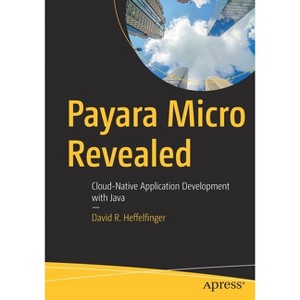
Payara Micro Revealed - by  David R Heffelfinger (Paperback) - 1 of 1

Payara Micro Revealed - by David R Heffelfinger (Paperback)

$54.99

In Stock

Free & easy returns

Free & easy returns

Return this item by mail or in store within 90 days for a full refund.
Eligible for registries and wish lists

About this item

Highlights

  • Develop, configure, and deploy Java cloud-native applications using Payara Micro.
  • About the Author: ​David Heffelfinger is an independent consultant at Ensode Technology, LLC (ensode.com).
  • 236 Pages
  • Computers + Internet,

Description


Book Synopsis


Develop, configure, and deploy Java cloud-native applications using Payara Micro. This book demystifies Java cloud-native application development using standard Microprofile APIs and covers Payara-specific features such as automatic clustering and application initialization performance improvements. You will learn how to improve startup performance by taking advantage of class data sharing, and configure cloud-native applications via standard development tools such as Maven and Gradle. The book also clarifies how to develop functionality necessary in a cloud environment, such as health checks and request tracing, using MicroProfile APIs.

The book begins by showing how to develop microservices using RESTful web services, followed by how to create microservice clients using MicroProfile and the REST client API. Dependency Injection via Jakarta Context and Dependency Injection (CDI) is also covered. Various approaches to application configuration are covered as well, including property files, environment variables, and system properties. You will learn to configure fault tolerance and high availability, generate system and custom application metrics, and generate health checks to automatically improve overall application health. You will know how to trace the flow of a request across service boundaries with OpenTracing. You will be able to make future maintenance easily through generating documentation, including how to automatically update documentation as your code is updated. Additionally, you will learn how to secure cloud applications and to automatically cluster applications and improve application startup performance.

What You Will Learn

  • Develop microservices using standard Java APIs
  • Implement cloud functionality such as request tracing and health checks
  • Deploy applications as thin archives and as uber archives
  • Configure applications via Maven and Gradle
  • Generate custommetrics for capacity planning and proactive discovery of issues
  • Implement features in support of high availability and fault tolerance
  • Secure your applications with Jason Web Tokens
  • Take advantage of Payara's own cloud platform for easy deployment

Who This Book Is For

Java developers who wish to develop cloud-native applications and microservices, and Java EE application developers who wish to transition to developing cloud-native applications that are lightweight and easily deployed


From the Back Cover


Develop, configure, and deploy Java cloud-native applications using Payara Micro. This book demystifies Java cloud-native application development using standard Microprofile APIs and covers Payara-specific features such as automatic clustering and application initialization performance improvements. You will learn how to improve startup performance by taking advantage of class data sharing, and configure cloud-native applications via standard development tools such as Maven and Gradle. The book also clarifies how to develop functionality necessary in a cloud environment, such as health checks and request tracing, using MicroProfile APIs.

The book begins by showing how to develop microservices using RESTful web services, followed by how to create microservice clients using MicroProfile and the REST client API. Dependency Injection via Jakarta Context and Dependency Injection (CDI) is also covered. Various approaches to application configuration are covered as well, including property files, environment variables, and system properties. You will learn to configure fault tolerance and high availability, generate system and custom application metrics, and generate health checks to automatically improve overall application health. You will know how to trace the flow of a request across service boundaries with OpenTracing. You will be able to make future maintenance easily through generating documentation, including how to automatically update documentation as your code is updated. Additionally, you will learn how to secure cloud applications and to automatically cluster applications and improve application startup performance.

What You Will Learn

  • Develop microservices using standard Java APIs
  • Implement cloud functionality such as request tracing and health checks
  • Deploy applications as thin archives and as uber archives
  • Configure applications via Maven and Gradle
  • Generate custom metricsfor capacity planning and proactive discovery of issues
  • Implement features in support of high availability and fault tolerance
  • Secure your applications with Jason Web Tokens
  • Take advantage of Payara's own cloud platform for easy deployment


About the Author


​David Heffelfinger is an independent consultant at Ensode Technology, LLC (ensode.com). He has authored several books on Jakarta EE and related technologies. He is a frequent speaker at tech conferences such as JavaOne and Oracle Code One. David has served on the JavaOne content committee on multiple occasions. He was named one of 39 Java leaders and experts to follow on Twitter, where you can find him under the handle @ensode.
Dimensions (Overall): 10.0 Inches (H) x 7.0 Inches (W) x .53 Inches (D)
Weight: .98 Pounds
Suggested Age: 22 Years and Up
Number of Pages: 236
Genre: Computers + Internet
Publisher: Apress
Theme: Java
Format: Paperback
Author: David R Heffelfinger
Language: English
Street Date: April 22, 2022
TCIN: 1011991110
UPC: 9781484281604
Item Number (DPCI): 247-22-8779
Origin: Made in the USA or Imported
If the item details aren’t accurate or complete, we want to know about it.

Shipping details

Estimated ship dimensions: 0.53 inches length x 7 inches width x 10 inches height
Estimated ship weight: 0.98 pounds
We regret that this item cannot be shipped to PO Boxes.
This item cannot be shipped to the following locations: American Samoa (see also separate entry under AS), Guam (see also separate entry under GU), Northern Mariana Islands, Puerto Rico (see also separate entry under PR), United States Minor Outlying Islands, Virgin Islands, U.S., APO/FPO, Alaska, Hawaii

Return details

This item can be returned to any Target store or Target.com.
This item must be returned within 90 days of the date it was purchased in store, delivered to the guest, delivered by a Shipt shopper, or picked up by the guest.
See the return policy for complete information.

Q: What features improve application performance according to the book?

submitted by AI Shopping Assistant - 2 days ago
  • A: The book discusses class data sharing and automatic clustering to enhance application startup performance and overall efficiency.

    submitted byAI Shopping Assistant - 2 days ago
    Ai generated

Q: Who is the target audience for this book?

submitted by AI Shopping Assistant - 2 days ago
  • A: The book is aimed at Java developers looking to create cloud-native applications and those transitioning from Java EE.

    submitted byAI Shopping Assistant - 2 days ago
    Ai generated

Q: What topics are covered in this book?

submitted by AI Shopping Assistant - 2 days ago
  • A: The book covers developing microservices, cloud functionality, application configuration, fault tolerance, and security in cloud-native applications.

    submitted byAI Shopping Assistant - 2 days ago
    Ai generated

Q: What development tools are mentioned for configuring applications?

submitted by AI Shopping Assistant - 2 days ago
  • A: Maven and Gradle are highlighted as standard development tools for configuring cloud-native applications in the book.

    submitted byAI Shopping Assistant - 2 days ago
    Ai generated

Q: What is the main focus of the book?

submitted by AI Shopping Assistant - 2 days ago
  • A: The main focus is on developing, configuring, and deploying Java cloud-native applications using Payara Micro and MicroProfile APIs.

    submitted byAI Shopping Assistant - 2 days ago
    Ai generated

Additional product information and recommendations

Discover more options

Best-selling Computers & Technology Books

Get top deals, latest trends, and more.

Privacy policy