Target New ArrivalsGift Ideas for DadClothing, Shoes & AccessoriesHome & DecorKitchen & DiningOutdoor Living & GardenGroceryHousehold EssentialsBabyBeautyPersonal CareSports & OutdoorsHealthWellnessLuggageSchool & Office SuppliesToysElectronicsVideo GamesMovies, Music & BooksParty SuppliesGift IdeasGift CardsPetsUlta Beauty at TargetShop by CommunityTarget OpticalDealsClearanceNew ArrivalsGift Ideas for DadBack to SchoolCollegeTop DealsTarget Circle DealsWeekly AdShop Order PickupShop Same Day DeliveryRegistryRedCardTarget CircleFind Stores
Soviet Cities: Labour, Life & Leisure - by  Fuel (Hardcover) - 1 of 1

Soviet Cities: Labour, Life & Leisure - by Fuel (Hardcover)

$34.78

Out of Stock

Free & easy returns

Free & easy returns

Return this item by mail or in store within 90 days for a full refund.
Eligible for registries and wish lists

About this item

Highlights

  • The Soviet dream of modernist architecture for all, portrayed on the brink of its erasureIn recent years Russian cities have visibly changed.
  • Author(s): Fuel
  • 240 Pages
  • Architecture, Regional

Description


About the Book


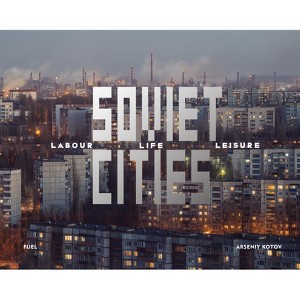
In recent years Russian cities have visibly changed. The architectural heritage of the Soviet period has not been fully acknowledged. As a result many unique modernist buildings have been destroyed or changed beyond recognition.0 Russian photographer Arseniy Kotov intends to document these buildings and their surroundings before they are lost forever. He likes to take pictures in winter, during the 'blue hour', which occurs immediately after sunset or just before sunrise. At this time, the warm yellow colours inside apartment block windows contrast with the twilight gloom outside. To Kotov, this atmosphere reflects the Soviet period of his imagination. His impression of this time is unashamedly idealistic: he envisages a great civilization, built on a fair society, which hopes to explore nature and conquer space.0 From the Baikonur Cosmodrome in the desert steppes of Kazakhstan to the grim monolithic high-rise dormitory blocks of inner city Volgograd, Kotov captures the essence of the post-Soviet world. 'The USSR no longer exists and in these photographs we can see what remains - the most outstanding buildings and constructions, where Soviet people lived and how Soviet cities once looked: no decoration, no bright colours and no luxury, only bare concrete and powerful forms --


Book Synopsis


The Soviet dream of modernist architecture for all, portrayed on the brink of its erasure

In recent years Russian cities have visibly changed. The architectural heritage of the Soviet period has not been fully acknowledged. As a result many unique modernist buildings have been destroyed or changed beyond recognition.

Russian photographer Arseniy Kotov intends to document these buildings and their surroundings before they are lost forever. He likes to take pictures in winter, during the "blue hour," which occurs immediately after sunset or just before sunrise. At this time, the warm yellow colors inside apartment-block windows contrast with the twilight gloom outside. To Kotov, this atmosphere reflects the Soviet period of his imagination. His impression of this time is unashamedly idealistic: he envisages a great civilization, built on a fair society, which hopes to explore nature and conquer space.

From the Baikonur Cosmodrome in the desert steppes of Kazakhstan to the grim monolithic high-rise dormitory blocks of inner-city Volgograd, Kotov captures the essence of the post-Soviet world. "The USSR no longer exists and in these photographs we can see what remains--the most outstanding buildings and constructions, where Soviet people lived and how Soviet cities once looked: no decoration, no bright colors and no luxury, only bare concrete and powerful forms."

This superbly designed volume is the latest in Fuel's revelatory and inspiring series on Soviet-era architecture.


Review Quotes


A 'flying saucer' assembly hall and an office that resembles a game of Jenga: Fascinating photography book reveals that Soviet architecture wasn't always dreary--Ted Thornhill "Daily Mail"
Dimensions (Overall): 6.5 Inches (H) x 8.1 Inches (W) x 1.0 Inches (D)
Weight: 1.65 Pounds
Suggested Age: 22 Years and Up
Sub-Genre: Regional
Genre: Architecture
Number of Pages: 240
Publisher: Fuel
Format: Hardcover
Author: Fuel
Language: English
Street Date: October 6, 2020
TCIN: 83067852
UPC: 9781916218413
Item Number (DPCI): 247-34-6572
Origin: Made in the USA or Imported
If the item details aren’t accurate or complete, we want to know about it.

Shipping details

Estimated ship dimensions: 1 inches length x 8.1 inches width x 6.5 inches height
Estimated ship weight: 1.65 pounds
We regret that this item cannot be shipped to PO Boxes.
This item cannot be shipped to the following locations: American Samoa (see also separate entry under AS), Guam (see also separate entry under GU), Northern Mariana Islands, Puerto Rico (see also separate entry under PR), United States Minor Outlying Islands, Virgin Islands, U.S., APO/FPO, Alaska, Hawaii

Return details

This item can be returned to any Target store or Target.com.
This item must be returned within 90 days of the date it was purchased in store, delivered to the guest, delivered by a Shipt shopper, or picked up by the guest.
See the return policy for complete information.

Q: Who is the main photographer featured in the book?

submitted by AI Shopping Assistant - 2 months ago
  • A: The main photographer featured is Arseniy Kotov, who captures the essence of post-Soviet architecture.

    submitted byAI Shopping Assistant - 2 months ago
    Ai generated

Q: What photography style does the author prefer?

submitted by AI Shopping Assistant - 2 months ago
  • A: The author prefers to photograph during the winter's 'blue hour' for its atmospheric contrasts.

    submitted byAI Shopping Assistant - 2 months ago
    Ai generated

Q: What is the main focus of the book?

submitted by AI Shopping Assistant - 2 months ago
  • A: The book documents the modernist architecture of Soviet cities and their erasure, emphasizing unique buildings and their surroundings.

    submitted byAI Shopping Assistant - 2 months ago
    Ai generated

Q: How does the author view the Soviet period?

submitted by AI Shopping Assistant - 2 months ago
  • A: The author has an idealistic view, envisioning it as a time of great civilization and exploration.

    submitted byAI Shopping Assistant - 2 months ago
    Ai generated

Q: What type of architecture is discussed in the book?

submitted by AI Shopping Assistant - 2 months ago
  • A: The book discusses Soviet modernist architecture, showcasing its unique forms and cultural significance.

    submitted byAI Shopping Assistant - 2 months ago
    Ai generated

Additional product information and recommendations

Discover more options

Get top deals, latest trends, and more.

Privacy policy