Target New ArrivalsGift Ideas for MomClothing, Shoes & AccessoriesHomeKitchen & DiningOutdoor Living & GardenFurnitureGroceryHousehold EssentialsBabyBeautyPersonal CareHealthWellnessLuggageSports & OutdoorsToysElectronicsVideo GamesMovies, Music & BooksSchool & Office SuppliesParty SuppliesGift IdeasGift CardsPetsUlta Beauty at TargetTarget OpticalDealsClearanceTarget New ArrivalsHome Decor Ideas & TrendsTop DealsTarget Circle DealsWeekly AdShop Order PickupShop Same Day DeliveryRegistryRedCardTarget CircleFind Stores
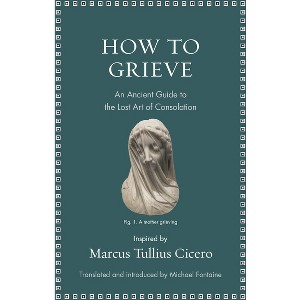
How to Grieve - (Ancient Wisdom for Modern Readers) by  Marcus Tullius Cicero (Hardcover) - 1 of 1

How to Grieve - (Ancient Wisdom for Modern Readers) by Marcus Tullius Cicero (Hardcover)

$10.99Save $7.96 (42% off)

In Stock

Eligible for registries and wish lists

About this item

Highlights

  • An engaging new translation of a timeless masterpiece about coping with the death of a loved one In 45 BCE, the Roman statesman Cicero fell to pieces when his beloved daughter, Tullia, died from complications of childbirth.
  • About the Author: Michael Fontaine is professor of classics at Cornell University.
  • 264 Pages
  • Philosophy, History & Surveys
  • Series Name: Ancient Wisdom for Modern Readers

Description


About the Book


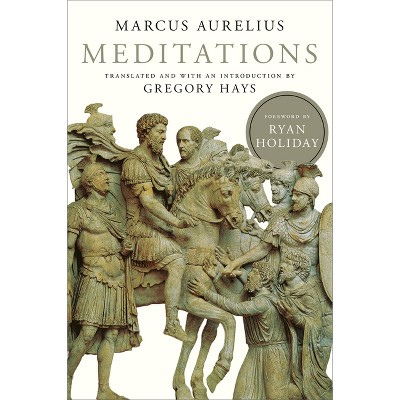
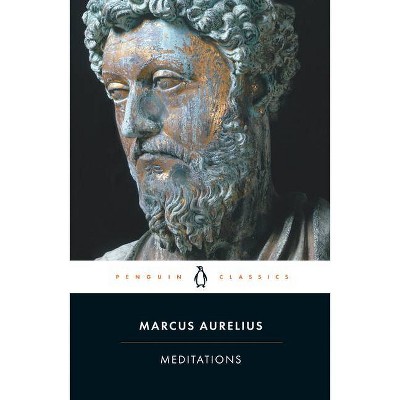
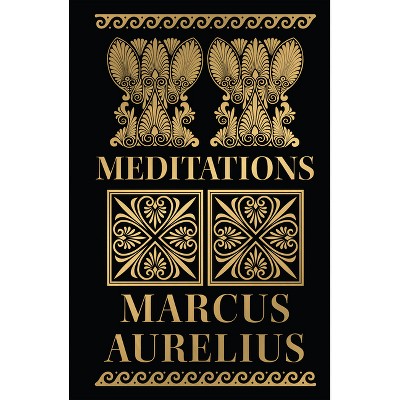
"At the age of 33, Tullia Ciceronis died from complications due to childbirth. Her father, the consul Marcus Tullius Cicero, was utterly distraught, as his contemporary letters and passages in the Tusculan Disputations make clear. And in an effort to grieve, Cicero did something new in world history: for the first time, he wrote a consolation speech--not for others, as had always been done, but for himself. This was his coping strategy, and it prefigures the Meditations of Marcus Aurelius and so many other thinkers throughout history who write letters to themselves. Cicero's Consolation was lost in antiquity. In the Renaissance, a philologist named Charles (Carlo) Sigoni recreated the speech. He gathered all the extant quotations and, on the analogy of restoring missing pieces of sculpture or lost paintings, he drew on everything he could find in Cicero to write a new speech that effectively recreated the lost one. And for a while, it worked. For centuries many great scholars believed Sigoni really had discovered the speech, rather than recreated it. Alas, subsequent scholarship has proven the opposite. Signoni very probably did write it. But the authorship question is less important than the contents. The speech shows that Sigoni knew all the conventions of the Consolation genre, and the historical events of Tullia's life, at least as well as any scholar then or now. It is a masterpiece: a fascinating read in Classical Latin, and it deserves a wide audience"--


Book Synopsis


An engaging new translation of a timeless masterpiece about coping with the death of a loved one

In 45 BCE, the Roman statesman Cicero fell to pieces when his beloved daughter, Tullia, died from complications of childbirth. But from the depths of despair, Cicero fought his way back. In an effort to cope with his loss, he wrote a consolation speech--not for others, as had always been done, but for himself. And it worked. Cicero's Consolation was something new in literature, equal parts philosophy and motivational speech. Drawing on the full range of Greek philosophy and Roman history, Cicero convinced himself that death and loss are part of life, and that if others have survived them, we can, too; resilience, endurance, and fortitude are the way forward.

Lost in antiquity, Cicero's Consolation was recreated in the Renaissance from hints in Cicero's other writings and the Greek and Latin consolatory tradition. The resulting masterpiece--translated here for the first time in 250 years--is infused throughout with Cicero's thought and spirit.

Complete with the original Latin on facing pages and an inviting introduction, Michael Fontaine's engaging translation makes this searching exploration of grief available to readers once again.


Review Quotes


"[How to Grieve] offers an engaging read . . . and will certainly make this fascinating text easily accessible."---Catherine Steel, Classics for All

"The relevance of grief is perennial, and this text has certainly stood the test of time."-- "Paradigm Explorer"


About the Author


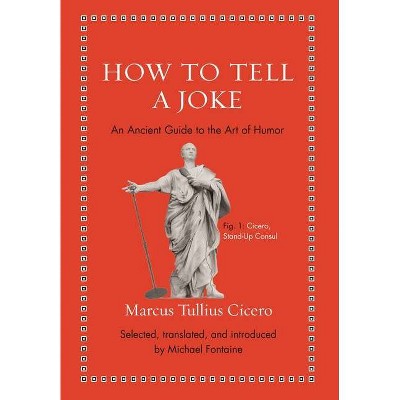
Michael Fontaine is professor of classics at Cornell University. His books include How to Tell a Joke: An Ancient Guide to the Art of Humor and How to Drink: A Classical Guide to the Art of Imbibing (both Princeton).
Dimensions (Overall): 6.8 Inches (H) x 4.6 Inches (W) x 1.1 Inches (D)
Weight: .71 Pounds
Suggested Age: 22 Years and Up
Number of Pages: 264
Genre: Philosophy
Sub-Genre: History & Surveys
Series Title: Ancient Wisdom for Modern Readers
Publisher: Princeton University Press
Format: Hardcover
Author: Marcus Tullius Cicero
Language: English
Street Date: October 18, 2022
TCIN: 85836706
UPC: 9780691220321
Item Number (DPCI): 247-14-3627
Origin: Made in the USA or Imported
If the item details aren’t accurate or complete, we want to know about it.

Shipping details

Estimated ship dimensions: 1.1 inches length x 4.6 inches width x 6.8 inches height
Estimated ship weight: 0.71 pounds
We regret that this item cannot be shipped to PO Boxes.
This item cannot be shipped to the following locations: American Samoa (see also separate entry under AS), Guam (see also separate entry under GU), Northern Mariana Islands, Puerto Rico (see also separate entry under PR), United States Minor Outlying Islands, Virgin Islands, U.S., APO/FPO, Alaska, Hawaii

Return details

This item can be returned to any Target store or Target.com.
This item must be returned within 90 days of the date it was purchased in store, delivered to the guest, delivered by a Shipt shopper, or picked up by the guest.
See the return policy for complete information.

Q: Who translated this version of Cicero's work?

submitted by AI Shopping Assistant - 19 days ago
  • A: Michael Fontaine, a professor of classics at Cornell University, translated this work.

    submitted byAI Shopping Assistant - 19 days ago
    Ai generated

Q: What unique approach does Cicero take in his consolation speech?

submitted by AI Shopping Assistant - 19 days ago
  • A: Cicero writes the speech for himself rather than for others, marking a departure from traditional practices.

    submitted byAI Shopping Assistant - 19 days ago
    Ai generated

Q: What historical event prompted Cicero to write this text?

submitted by AI Shopping Assistant - 19 days ago
  • A: Cicero was inspired to write after the death of his daughter, Tullia, from childbirth complications.

    submitted byAI Shopping Assistant - 19 days ago
    Ai generated

Q: What is the main theme of the book?

submitted by AI Shopping Assistant - 19 days ago
  • A: The book explores coping with the death of a loved one through Cicero's personal experiences and reflections.

    submitted byAI Shopping Assistant - 19 days ago
    Ai generated

Q: What languages are featured in this edition of the book?

submitted by AI Shopping Assistant - 19 days ago
  • A: This edition includes both the original Latin text and the new English translation facing each other.

    submitted byAI Shopping Assistant - 19 days ago
    Ai generated

Additional product information and recommendations

Get top deals, latest trends, and more.

Privacy policy

Footer

About Us

About TargetCareersNews & BlogTarget BrandsBullseye ShopSustainability & GovernancePress CenterAdvertise with UsInvestorsAffiliates & PartnersSuppliersTargetPlus

Help

Target HelpReturnsTrack OrdersRecallsContact UsFeedbackAccessibilitySecurity & FraudTeam Member ServicesLegal & Privacy

Stores

Find a StoreClinicPharmacyTarget OpticalMore In-Store Services

Services

Target Circle™Target Circle™ CardTarget Circle 360™Target AppRegistrySame Day DeliveryOrder PickupDrive UpFree 2-Day ShippingShipping & DeliveryMore Services
PinterestFacebookInstagramXYoutubeTiktokTermsCA Supply ChainPrivacy PolicyCA Privacy RightsYour Privacy ChoicesInterest Based AdsHealth Privacy Policy