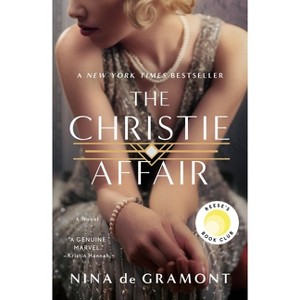
The Christie Affair - by Nina De Gramont (Paperback)
$10.46Save $7.53 (42% off)
In Stock
Eligible for registries and wish lists
About this item
Additional product information and recommendations
Discover more options

$9.99
MSRP $16.95
$17.95 - $23.00
MSRP $19.95 - $23.00
Frequently bought together
$20.10
MSRP $27.00
Guests also viewed
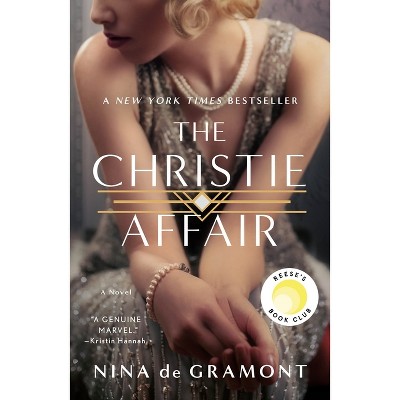
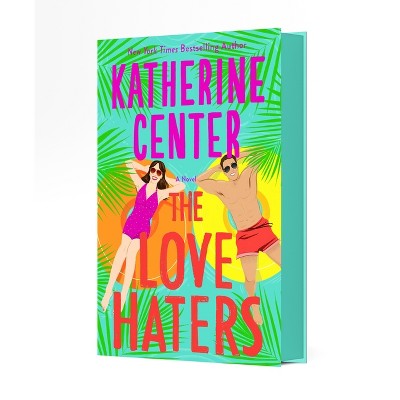
$16.52 - $18.99
MSRP $19.00 - $29.00
4.9 out of 5 stars with 10 ratings

$10.46 - $15.35
MSRP $17.95 - $27.00
5 out of 5 stars with 7 ratings
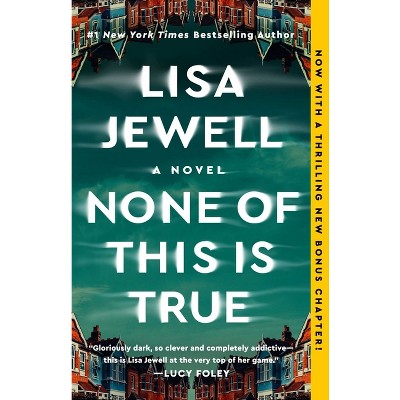
$9.92 - $14.95
MSRP $18.99 - $28.00
4.6 out of 5 stars with 61 ratings
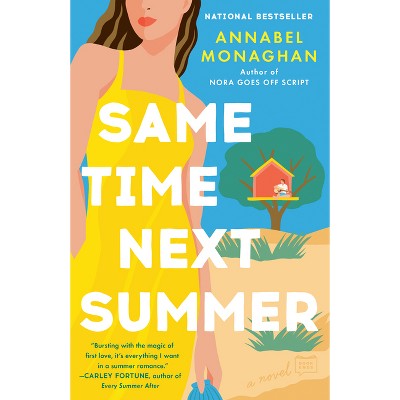
$8.99
was $9.48 New lower price
4.3 out of 5 stars with 22 ratings
4.5 out of 5 stars with 10 reviews
4 out of 5 stars
2 February, 2022
I recommend this page-turning mystery
Thanks to St. Martin’s Press & NetGalley for a digital advance reader copy. All comments and opinions are my own. Where and why did novelist Agatha Christie disappear, and what did she do while gone for eleven days in 1925? I can never get enough of Agatha Christie, so when I saw this novel I had to read it, even though in January 2021 I had read The Mystery of Mrs. Christie, a similar novel where another author also conjectured on the whereabouts and doings of the world famous mystery writer. As I was reading this one, I made a point not to compare the two books, so am reviewing this on its own merits - both good and not so good. This novel was narrated by the character Nan O'Dea, Archie Christie's mistress. Told in two timelines, both the period during Agatha's disappearance and also going back in time to Nan's earlier years. It all comes together at the end, so I urge you to just read and you'll see how it all fits so cleverly. The author was obviously inspired by Christie's own novels as she created a mystery, and then a brilliant murder mystery with logical motive. The part I thought was "not so good" was that since the story was told by Nan O'Dea, it was distracting and unbelievable that she could read the minds of many of the other main characters, and recounted their imagined conversations when she wasn't there. She broke one of the basic rules of writing with this blunder. She does explain this "technique" by saying they probably thought this or probably said that. So that's even worse that the author (via the character) admits she's doing this. The novel also changes point of view in the middle of chapters, which could cause some confusion as to who was thinking or acting. How could an editor allow these two unprofessional bungles? Despite this colossal breach, the novel was a page-turner and the characters were well-developed and likable/sympathetic. Lots of clues sprinkled throughout enabled me to figure out motives, feel satisfied with explanations and outcomes, and appreciate the decisions that led to actions. Even with the problematic storytelling style, I really liked this and recommend reading it.