Target New ArrivalsGift Ideas for DadFourth of JulyClothing, Shoes & AccessoriesHome & DecorKitchen & DiningOutdoor Living & GardenGroceryHousehold EssentialsBabyBeautyPersonal CareSports & OutdoorsHealthWellnessLuggageSchool & Office SuppliesToys & GamesElectronicsVideo GamesMovies, Music & BooksParty SuppliesGift IdeasGift CardsPetsUlta Beauty at TargetShop by CommunityTarget OpticalDealsClearanceNew ArrivalsGift Ideas for DadBack to SchoolCollegeTop DealsTarget Circle DealsWeekly AdShop Order PickupShop Same Day DeliveryRegistryRedCardTarget CircleFind Stores
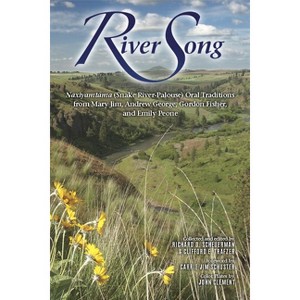
River Song - by  Richard D Scheuerman & Clifford E Trafzer (Paperback) - 1 of 1

River Song - by Richard D Scheuerman & Clifford E Trafzer (Paperback)

$27.95

In Stock

Free & easy returns

Free & easy returns

Return this item by mail or in store within 90 days for a full refund.
Eligible for registries and wish lists

About this item

Highlights

  • For generations, the original Snake River-Palouse people lived a free, open life on the Columbia Plateau, moving on horseback from the Snake River to Badger Mountain to Oregon's Blue Mountains.
  • Author(s): Richard D Scheuerman & Clifford E Trafzer
  • 228 Pages
  • History,

Description


About the Book


Denied a place on their ancestral lands, the original Snake River-Palouse people were forced to scatter, and maintaining their cultural identity became increasingly difficult. Still, elders passed down oral histories. Beginning in the 1970s, Naxiyamtáma elders shared their stories with a research team. They hoped to teach American Indian history in a traditional manner and refute incorrect versions. In the process, multiple themes emerged--spirituality tied to the Creator and environment, a covenant relationship and sacred trust to protect and preserve traditional lands, storytelling as a revered art form that reveals life lessons, and belief in cyclical time and blood memory. The featured elders had ties to Plateau people's leadership families. They had lived in the traditional way, participated in the ancient Wáshani religion, and honored the Creator through First Food ceremonies. River Song endeavors to capture their original voices and remain true to Snake River-Palouse oral traditions.


Book Synopsis


For generations, the original Snake River-Palouse people lived a free, open life on the Columbia Plateau, moving on horseback from the Snake River to Badger Mountain to Oregon's Blue Mountains. They interacted and intermarried within a vast region, and their stories are rich in content, interpretation, and nuance. Denied a place on their ancestral lands, most relocated to Nez Perce, Umatilla, Warm Springs, Yakama, and Colville reservations, where maintaining their cultural identity became increasingly difficult. Still, elders continued to pass down oral histories, insisting youngsters listen with rapt attention.

Beginning in the 1970s, Naxiyamtáma elders--in particular Mary Jim, Andrew George, Gordon Fisher, and Emily Peone--shared their stories with a research team. They hoped to teach American Indian history in a traditional manner and refute incorrect versions. Multiple themes emerged--a pervasive spirituality tied to the Creator and environment; a covenant relationship and sacred trust to protect and preserve their traditional lands; storytelling as a revered art form that reveals life lessons; and finally, belief in cyclical time and blood memory.

Tied to Plateau people's leadership families, the featured elders had lived in the traditional way--gathering, hunting, and fishing, participating in the ancient Wáshani religion, and honoring the Creator through First Food ceremonies. In their retelling, the authors endeavored to capture their original voices and stay true to Snake River-Palouse oral traditions. Creation stories include "Why Coyote Made the Palouse Hills," and "The Origin of Palouse Falls." Although narratives by other groups are similar to Mary Jim's "How Coyote Learned to Fish," and Gordon Fisher's "How Beaver Brought Fire to the People," their versions offer a distinct Naxiyamtáma perspective. The authors also describe their method and approach--one that will serve as a model for conducting Native American cultural research.


Review Quotes


"An invaluable treasure of Indigenous insights and experiences not previously publicly shared, River Song is a wonderful entry into what is most cherished within the homes of four Naxiyamta'ma family traditions."

--Rodney Frey, Professor of American Indian Studies and Anthropology at the University of Idaho and author of Landscape Traveled by Coyote and Crane: The World of the Schitsu'umsh Coeur d'Alene Indians


Dimensions (Overall): 8.9 Inches (H) x 5.9 Inches (W) x .7 Inches (D)
Weight: .95 Pounds
Suggested Age: 22 Years and Up
Number of Pages: 228
Genre: History
Publisher: Washington State University Press
Theme: General
Format: Paperback
Author: Richard D Scheuerman & Clifford E Trafzer
Language: English
Street Date: March 15, 2015
TCIN: 1010776243
UPC: 9780874223279
Item Number (DPCI): 247-31-3164
Origin: Made in the USA or Imported
If the item details aren’t accurate or complete, we want to know about it.

Shipping details

Estimated ship dimensions: 0.7 inches length x 5.9 inches width x 8.9 inches height
Estimated ship weight: 0.95 pounds
We regret that this item cannot be shipped to PO Boxes.
This item cannot be shipped to the following locations: American Samoa (see also separate entry under AS), Guam (see also separate entry under GU), Northern Mariana Islands, Puerto Rico (see also separate entry under PR), United States Minor Outlying Islands, Virgin Islands, U.S., APO/FPO, Alaska, Hawaii

Return details

This item can be returned to any Target store or Target.com.
This item must be returned within 90 days of the date it was purchased in store, delivered to the guest, delivered by a Shipt shopper, or picked up by the guest.
See the return policy for complete information.

Q: What type of stories are included in the book?

submitted by AI Shopping Assistant - 3 days ago
  • A: The book includes creation stories and narratives that reflect the Naxiyamtma perspective.

    submitted byAI Shopping Assistant - 3 days ago
    Ai generated

Q: What is the significance of storytelling in the book?

submitted by AI Shopping Assistant - 3 days ago
  • A: Storytelling is portrayed as a revered art form that conveys life lessons and cultural values.

    submitted byAI Shopping Assistant - 3 days ago
    Ai generated

Q: What themes are explored in the book?

submitted by AI Shopping Assistant - 3 days ago
  • A: The book explores spirituality, cultural identity, storytelling, and the relationship with traditional lands.

    submitted byAI Shopping Assistant - 3 days ago
    Ai generated

Q: What is the primary focus of the oral histories shared?

submitted by AI Shopping Assistant - 3 days ago
  • A: The oral histories focus on teaching American Indian history and preserving cultural identity.

    submitted byAI Shopping Assistant - 3 days ago
    Ai generated

Q: Who are the featured elders in the book?

submitted by AI Shopping Assistant - 3 days ago
  • A: The featured elders include Mary Jim, Andrew George, Gordon Fisher, and Emily Peone.

    submitted byAI Shopping Assistant - 3 days ago
    Ai generated

Additional product information and recommendations

Discover more options

Best-selling History

Get top deals, latest trends, and more.

Privacy policy