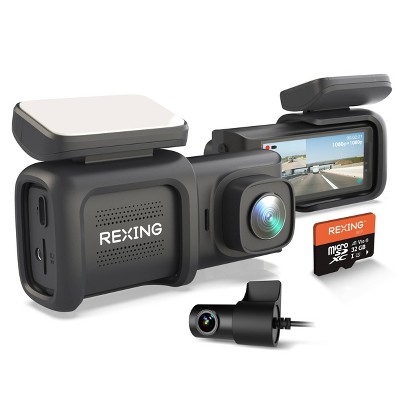
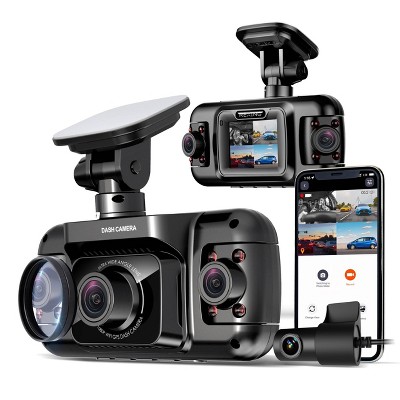
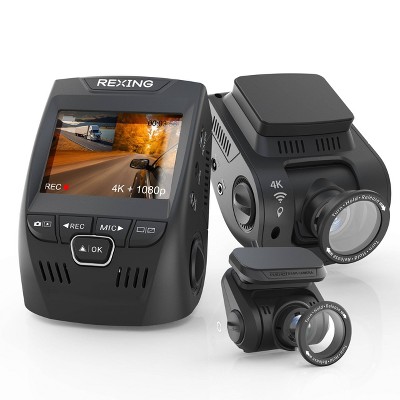
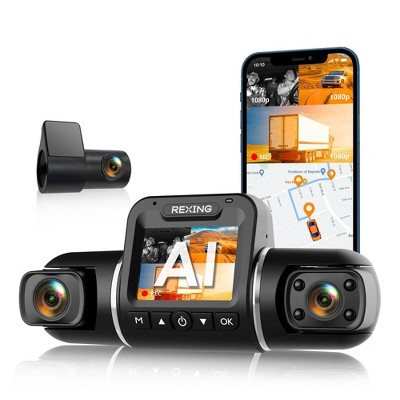
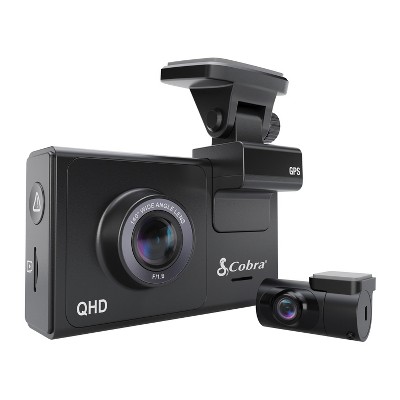
Dual-channel dashcams commonly record the front camera at anywhere from Full HD up to 4K (some list 4K or 2K front recording), while the rear camera is usually 1080p or 720p. When comparing models, check the listed front/rear resolution pair to match your detail and storage needs.
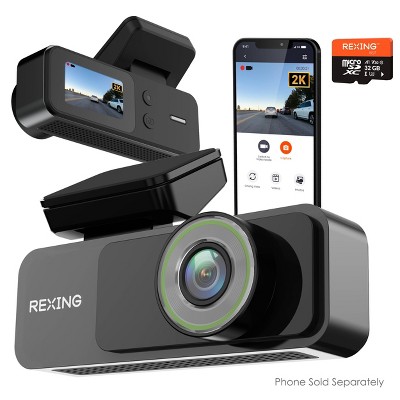
Yes — many dual-channel dashcams include built-in Wi‑Fi and companion apps (iOS/Android) so you can preview, download, and manage footage from your phone. Check the product page for app compatibility and which features (live view, clip download, settings) the app supports.
Many dual-channel dashcams advertise improved night performance using larger apertures and image-enhancing tech such as WDR/HDR to boost clarity in low light. Performance varies by sensor and lens, so look for models that specifically call out night-vision improvements or WDR/HDR in the specs.
Power options vary: some units rely on vehicle power only (no internal battery), some include an internal lithium battery, and others use a supercapacitor. Connection types also vary and can include USB‑C or the vehicle auxiliary power/12V plug. Check the product specs if you need battery-backed parking monitoring or prefer a supercapacitor for heat resistance.
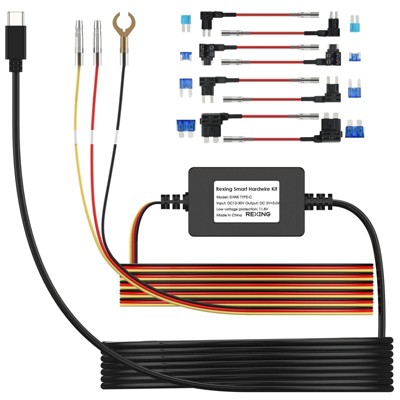
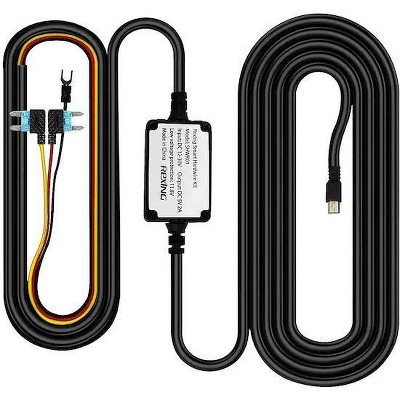
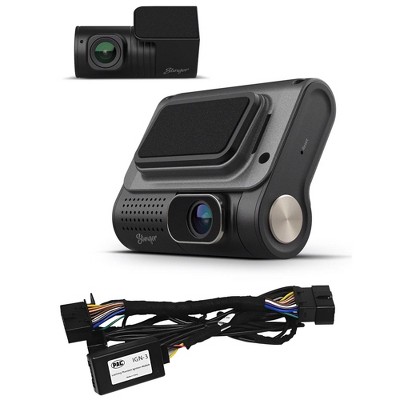
Yes — many models offer parking or 24/7 monitoring that records when motion or an impact is detected. Some dashcams record short triggered clips while parked; others support continuous monitoring but may require a hardwire kit or constant power source to run when the vehicle is off. Check the listing to see which method a model uses and whether a hardwire kit is required.
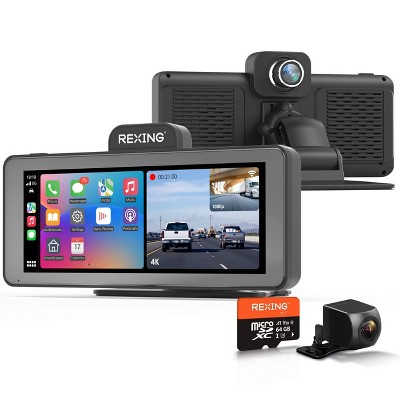
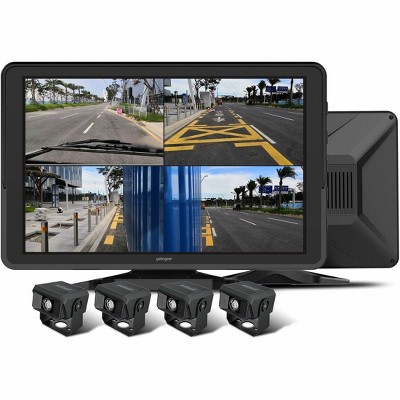
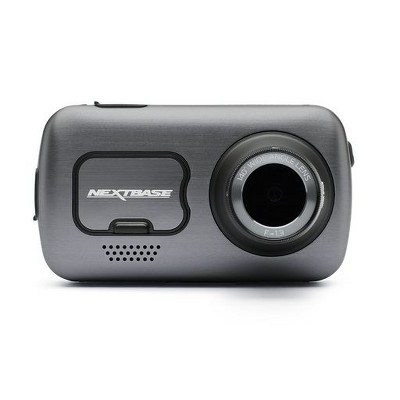
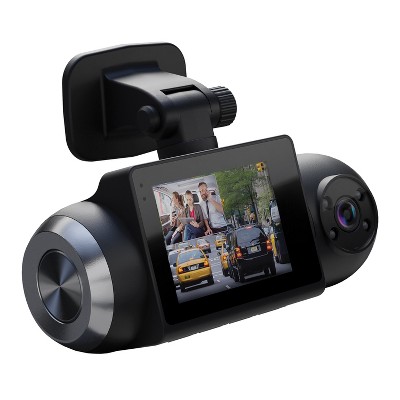
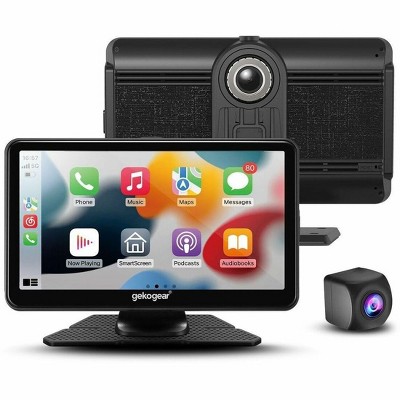
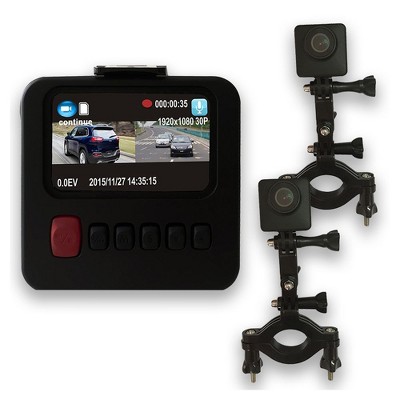
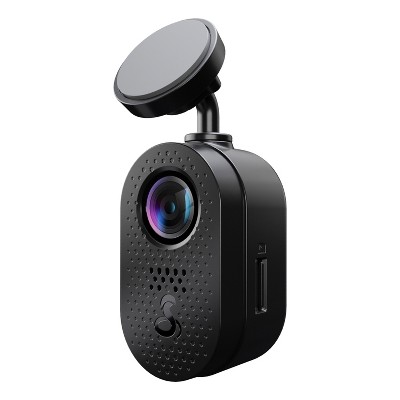
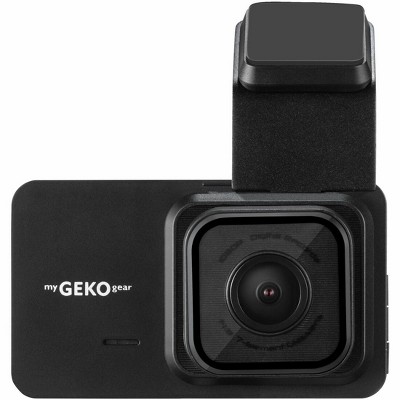
Common formats include compact standalone dashcams with small displays (about 3–4.5 inches), mirror-style units that mount over the rearview mirror, and larger mirror units with IPS touchscreens. Choose the form factor that fits your windshield and preferred user interface.
Storage options vary by model: common starter kits include a 32GB memory card, some listings show support or options up to 128GB, and at least one model in these results supports cards up to 512GB. Always check the manufacturer’s maximum microSD specification before buying a larger card.
Most dashcams use loop recording to overwrite old files automatically, and they combine that with a G‑sensor or impact/collision detection that locks the current clip to prevent it from being overwritten. Look for an explicit “event lock” or collision-lock feature in the specs.