Target New ArrivalsBack to SchoolCollegeClothing, Shoes & AccessoriesHome & DecorKitchen & DiningOutdoor Living & GardenGroceryHousehold EssentialsBabyBeautyPersonal CareSports & OutdoorsHealthWellnessSchool & Office SuppliesToys & GamesElectronics & TechVideo GamesMovies, Music & BooksParty SuppliesGift IdeasGift CardsPetsUlta Beauty at TargetShop by CommunityTarget OpticalDealsClearanceNew ArrivalsBack to SchoolCollegeTop DealsTarget Circle DealsWeekly AdShop Order PickupShop Same Day DeliveryRegistryRedCardTarget CircleFind Stores
Powered by AI

Guests also ask:

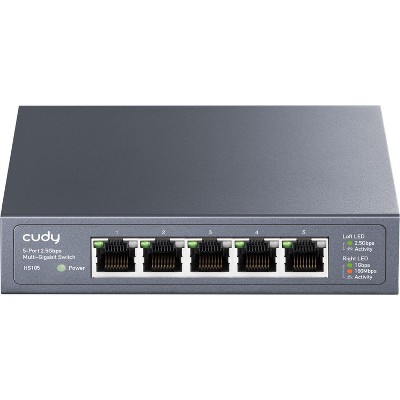
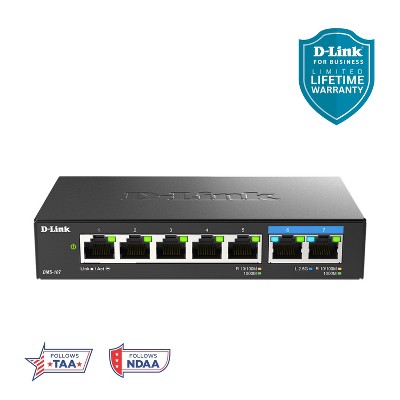
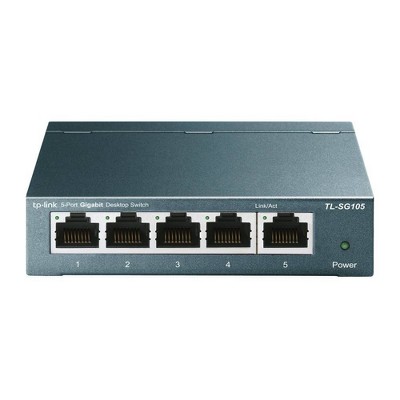
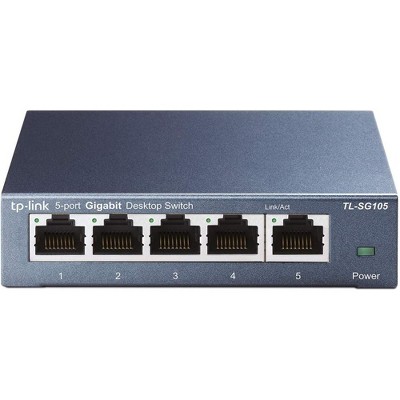
Most 8‑port switches support standard Gigabit Ethernet (10/100/1000 Mbps). Some higher‑end models add multi‑gig ports (commonly 2.5 Gbps) to provide greater throughput for higher‑performance devices.
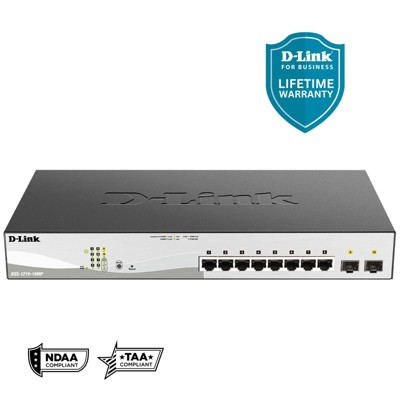
Many 8‑port switches offer PoE or PoE+ on several ports. PoE+ can supply up to 30 W per port, and total power budgets on these models commonly appear around 60 W, 65 W, or 78 W depending on the specific model.

Many 8‑port models use fanless designs and metal housings, which are typically described as quiet or silent for home and office use. If noise level is critical, check the product specifications for cooling design and any published noise ratings.

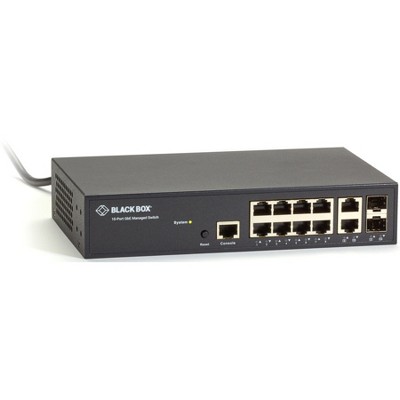
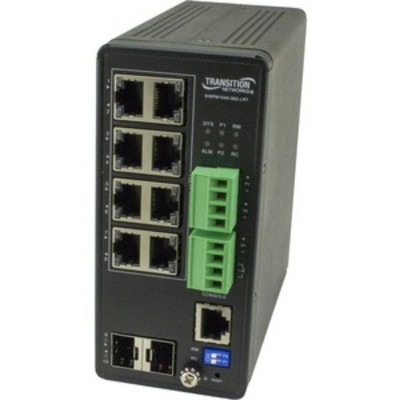
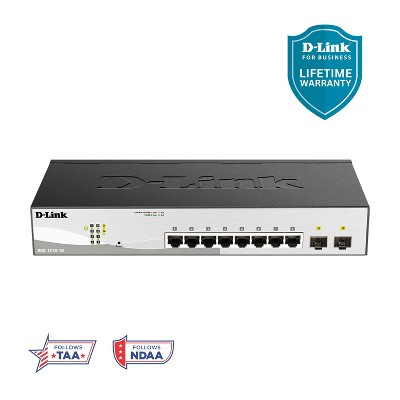
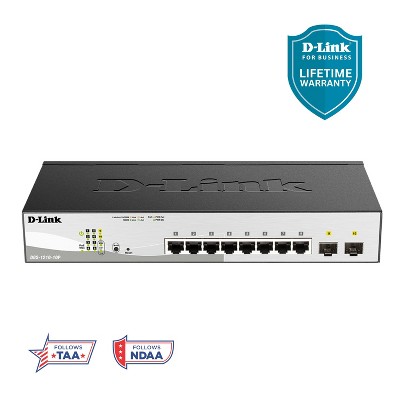
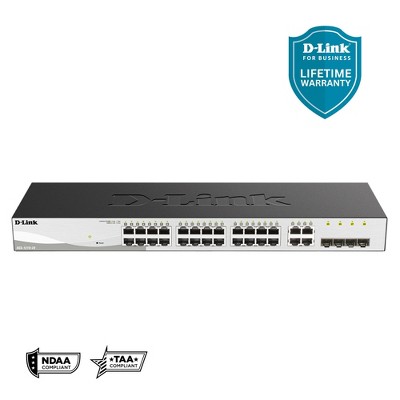
Some 8‑port switches include additional Gigabit SFP optical uplink ports—commonly one or two SFP slots—so you can connect fiber or support longer‑distance links alongside the eight RJ‑45 ports.

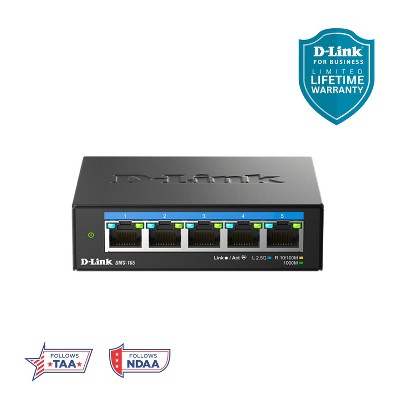
Certain 8‑port switches offer multi‑speed ports (commonly 2.5 Gbps) specifically intended for Wi‑Fi 6 access points and other multi‑gig devices, enabling higher throughput for NAS, servers, and gaming systems.

8‑port switches commonly connect devices such as NAS units, servers, gaming PCs and consoles, streaming boxes, wireless access points, VoIP phones, and IP cameras. PoE‑capable models can also supply power to PoE devices like access points, IP cameras, and VoIP phones.

Recommendations for you

Skip to next section

Get top deals, latest trends, and more.