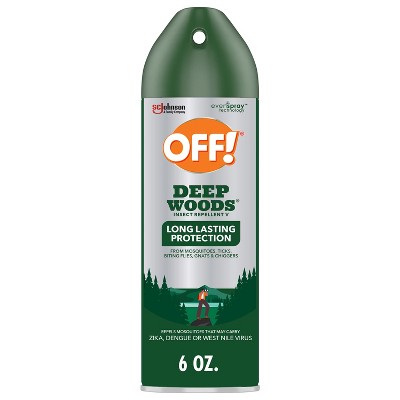
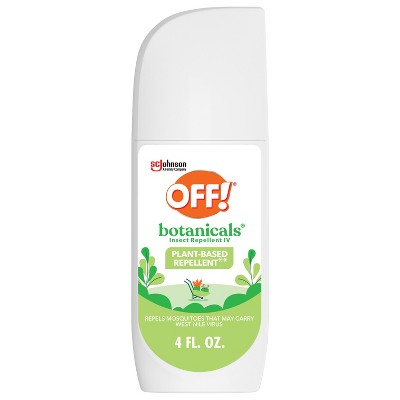
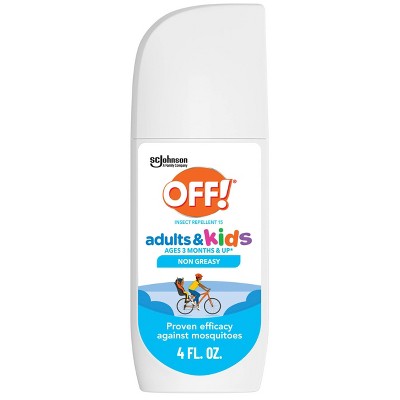
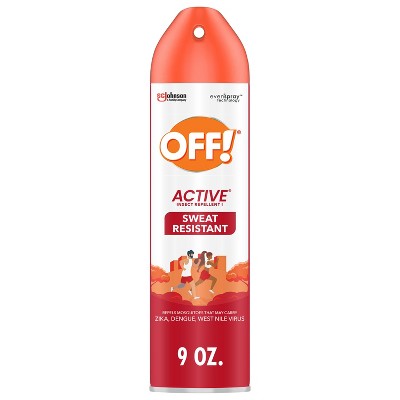
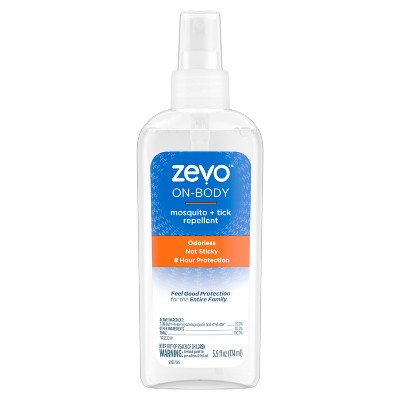
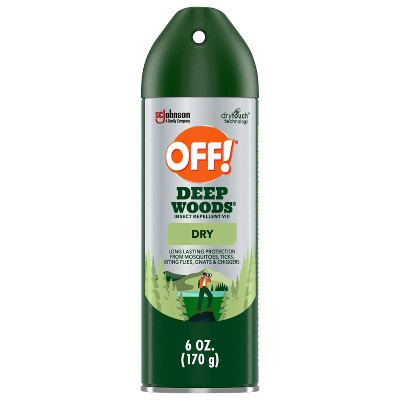
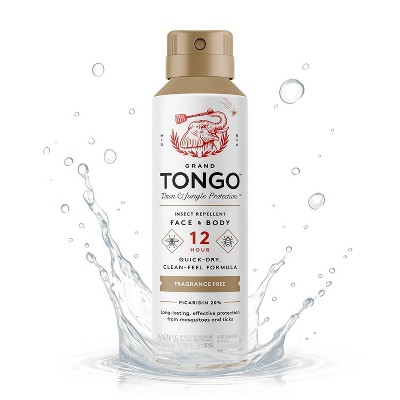
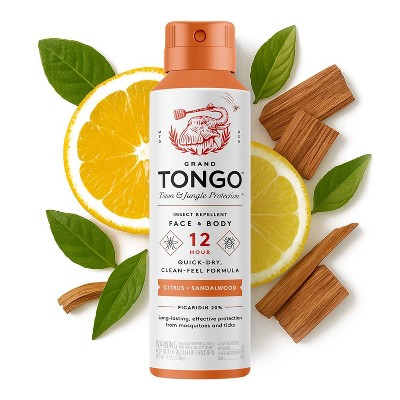
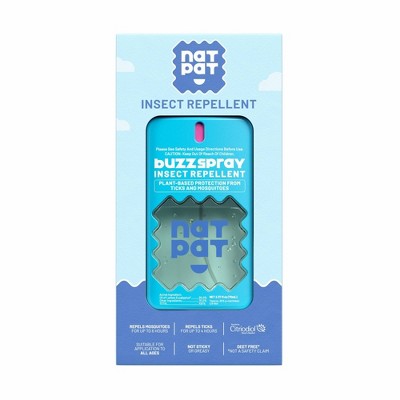
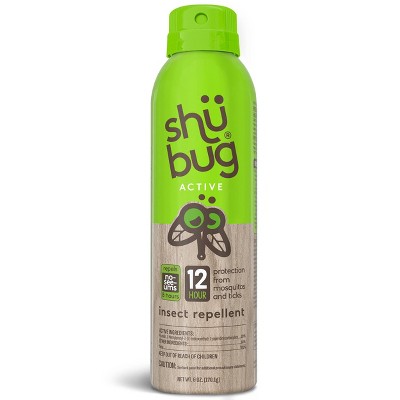
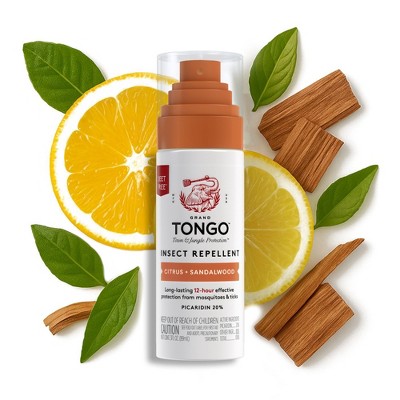
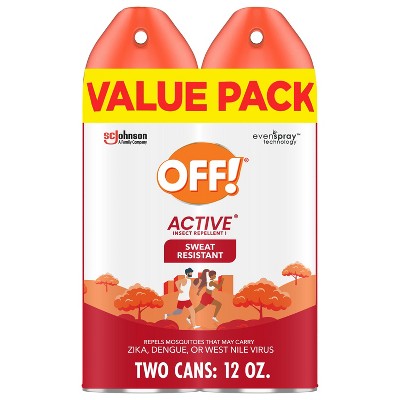
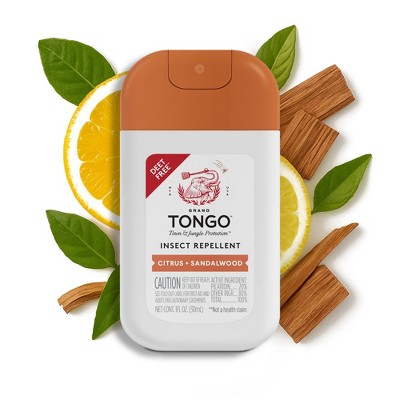
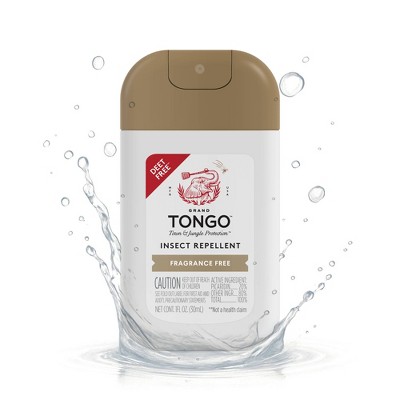
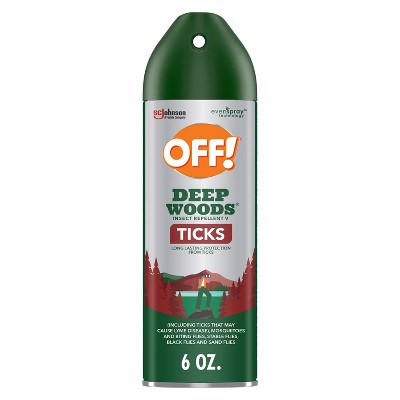
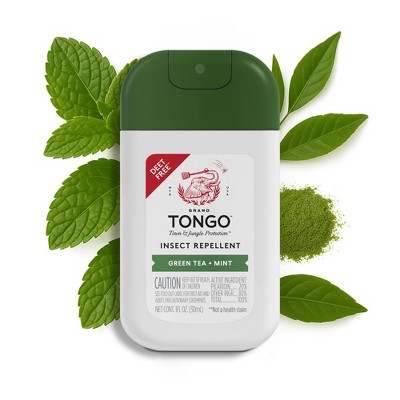
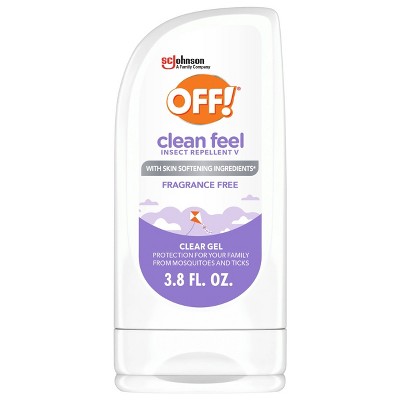
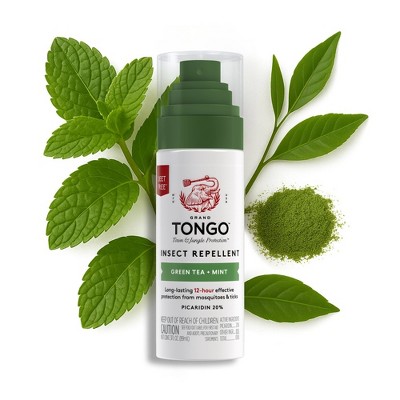
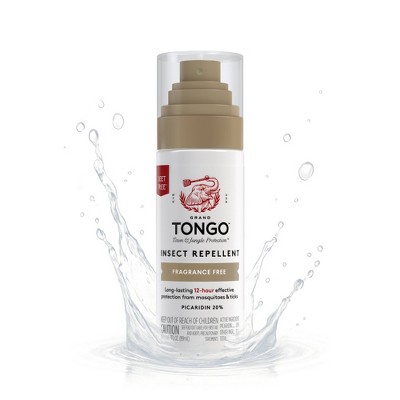
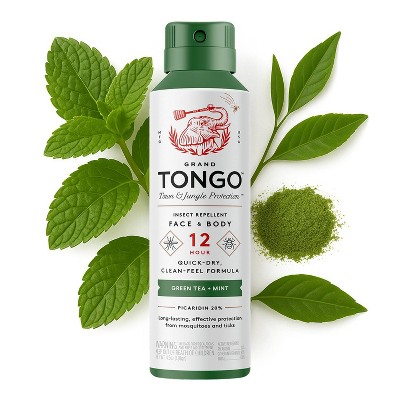
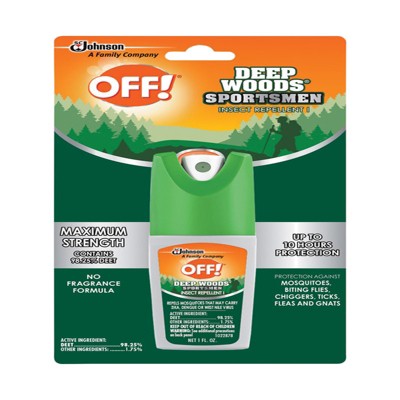
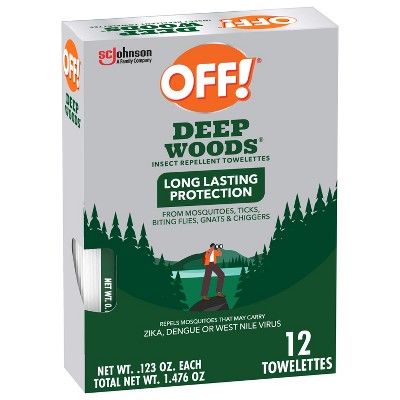
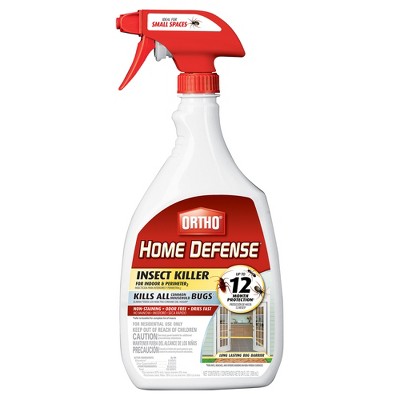
The sprays shown use a mix of common repellent and insecticidal actives: DEET (15%), picaridin (20%), and synthetic insecticides such as phenothrin, prallethrin, lambda-cyhalothrin and deltamethrin.
Application formats include sprays formulated for skin or clothing use, hose-end concentrates for yard perimeter treatment, outdoor foggers for space treatment, and pump or aerosol sprays for surfaces and barrier applications.
The selection covers outdoor-only products (foggers and hose-end pretreats), indoor/outdoor household sprays for spot and perimeter treatments, and products specifically designed to create longer-lasting perimeter barriers around structures.
A DEET-free option shown uses 20% picaridin; it’s described as fragrance-free, odorless, non-sticky and quick-drying. Other non-DEET personal sprays use powder-dry formulas that are not oily or greasy.
Available formats include aerosol and pump sprays for personal or surface use, ready-to-use liquid sprays, hose-end concentrates for yard perimeter treatment, and outdoor fogger cans for space treatment.
Common warnings include keeping products out of reach of children, avoiding eye or unnecessary skin contact, and noting flammability or pressurized contents for aerosol cans. Environmental cautions frequently state that some formulas are highly toxic to fish and aquatic invertebrates and can harm pollinators like bees if applied directly.