Authors commonly include registered dietitians (RD/RDN), certified intuitive-eating counselors, eating-disorder specialists, public-health or academic researchers (MPH/MS/PhD), and clinicians from functional-medicine backgrounds—reflecting a mix of clinical and research credentials.
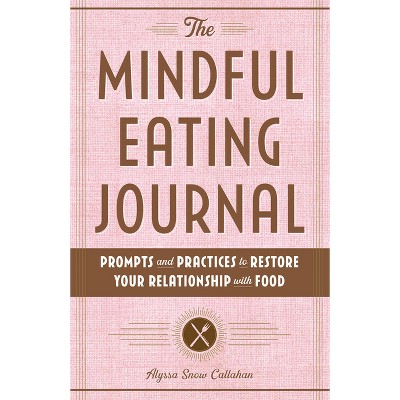
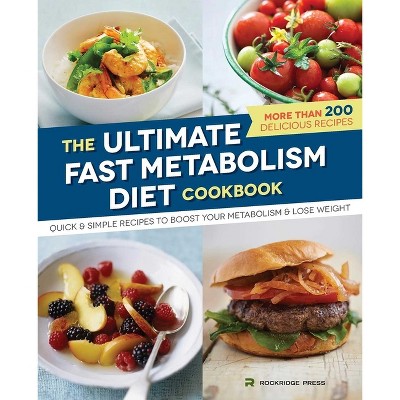
Many titles include practical tools such as daily meditations or prompts, multiweek practice plans, meal-prep guidance, and recipes—ranging from daily practices (e.g., 365 prompts) to multiweek plans with dozens to 100+ recipes.

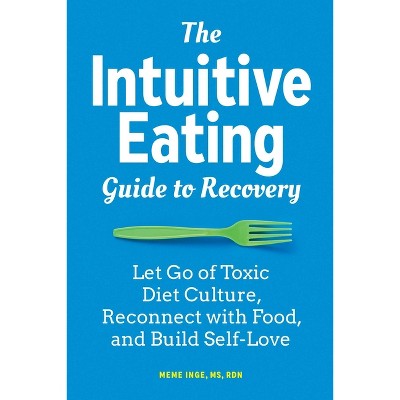
These books generally present intuitive eating as an anti-diet, weight-inclusive approach that encourages stepping away from diet culture and focusing on internal cues—hunger and fullness—rather than strict weight-focused strategies.
Program formats vary by title—from daily practices and meditations (e.g., 365 prompts) to multiweek plans such as four-week meal plans or flexible fasting programs, plus longer maintenance plans that include recipes and ongoing guidance.
A few titles adapt intuitive-eating frameworks for condition-specific care—for example, combining intuitive-eating principles with blood-sugar management guidance, case examples, and alternatives to weight-focused treatment—though coverage and approach vary by book.
Common teachings include listening to hunger and fullness cues, choosing satisfying foods, eating with awareness and enjoyment, and following structured frameworks found in many titles—such as the 10 principles of intuitive eating or a 'normal eating' rule set that emphasizes stopping when satisfied.