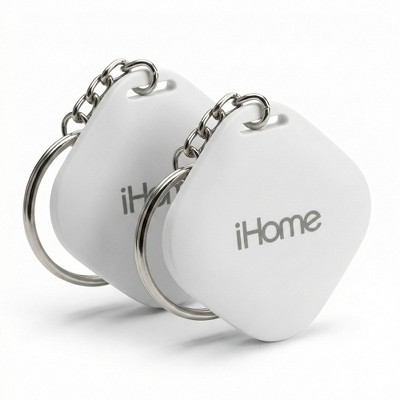
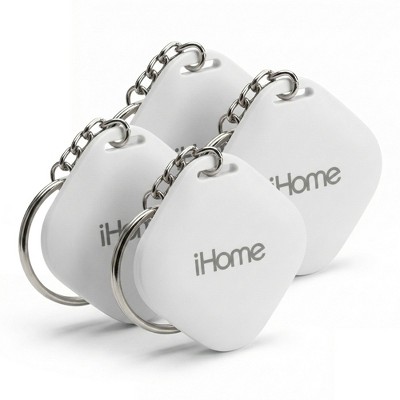
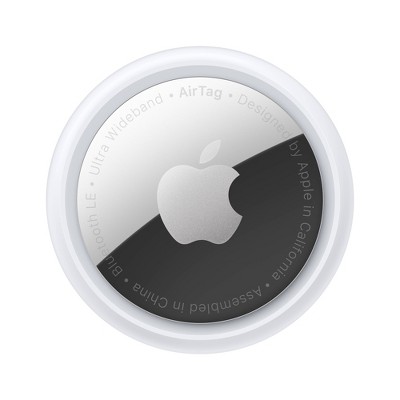
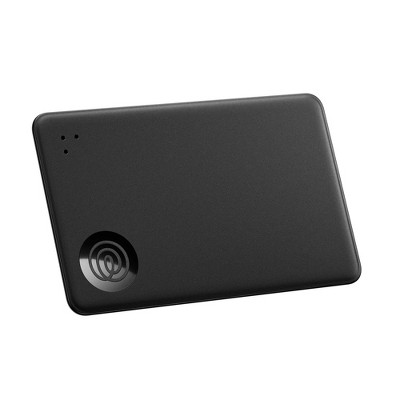
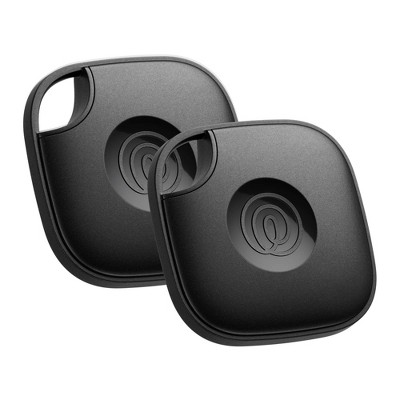
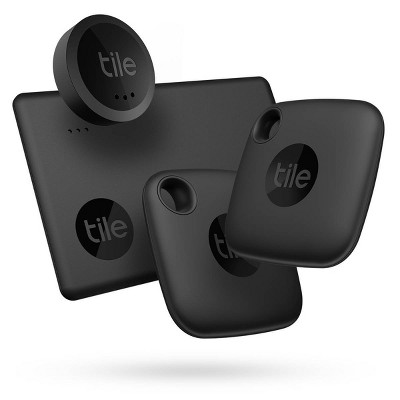
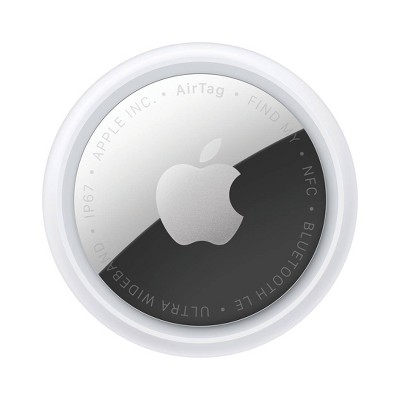
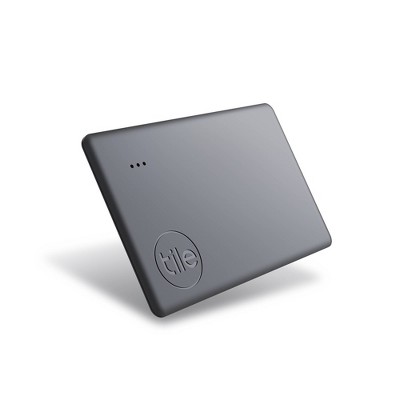
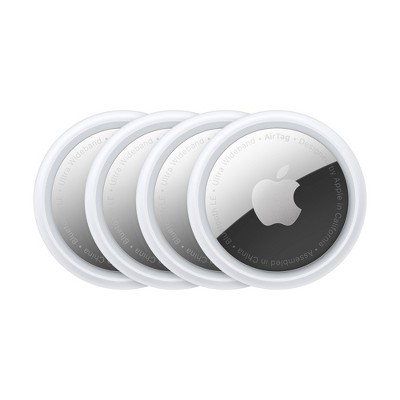
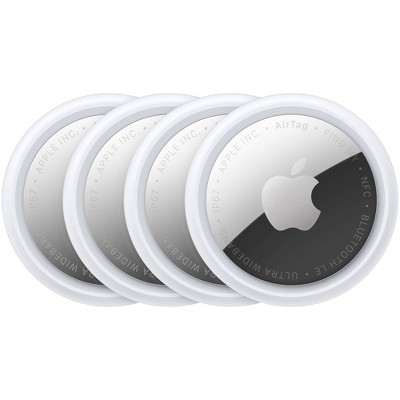
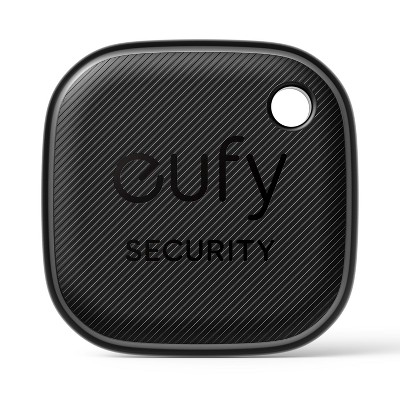
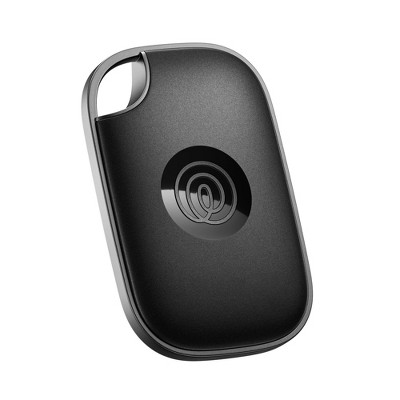
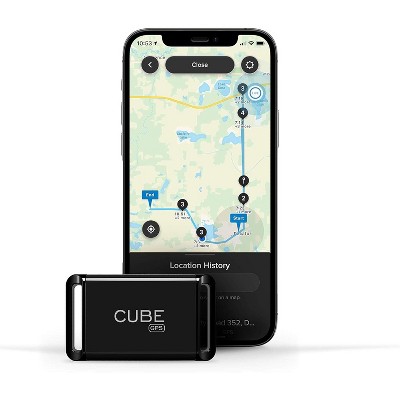
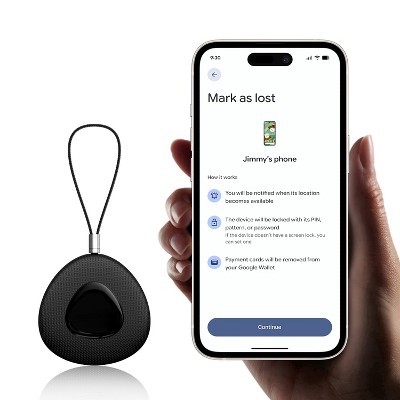
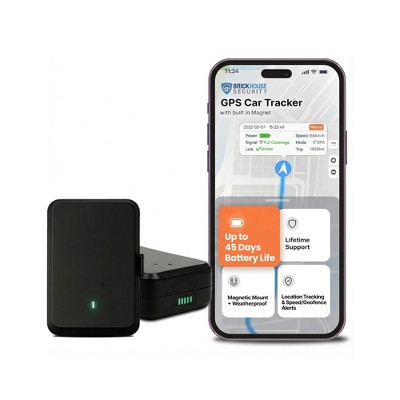
Bluetooth tags primarily use Bluetooth Low Energy (BLE) for direct connections to nearby phones or receivers. Many listings also reference auxiliary technologies and systems to extend or refine location: ultra-wideband (UWB) for more precise ranging, and network- or cloud-assisted location that uses GPS, Wi‑Fi, and cellular signals to help find items beyond direct Bluetooth range.
Product listings commonly state water- and dust-resistance ratings. Examples in the details include IP66 for some keychain-style tags and IP67 for other models; other listings simply describe water-resistant materials or testing. Check each product’s specification sheet for the exact IP rating and any manufacturer notes on submersion depth and testing conditions.
Both options appear in product details. Some tags have built-in rechargeable lithium batteries (some supporting wireless charging), while others use installed or replaceable coin-cell batteries (for example, CR2032 or similar). Product listings will state whether the battery is rechargeable, replaceable, or non-replaceable.
Typical connection ranges reported in the product details are about 10–20 meters (roughly 30–65 feet) indoors and about 20–50 meters (roughly 65–165 feet) outdoors. Real-world range depends on obstacles, interference, and device antenna performance.
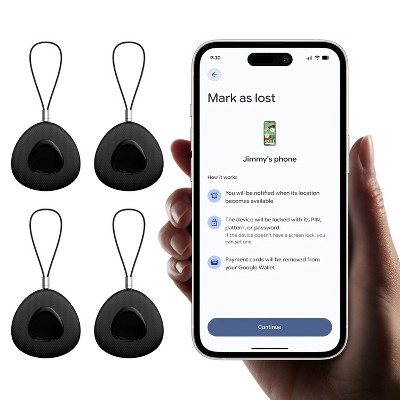
Product details list compatibility with major phone and tablet operating systems. Listings also note that certain features may require specific OS versions and signing in to the platform account to access full functionality; check each product’s compatibility notes for exact OS/version requirements.