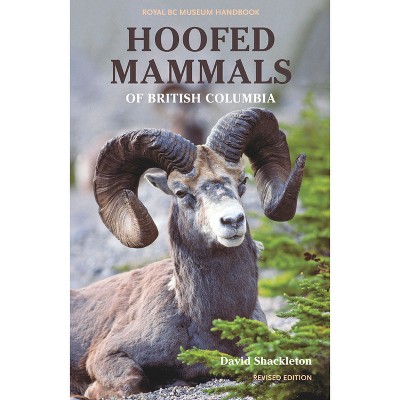
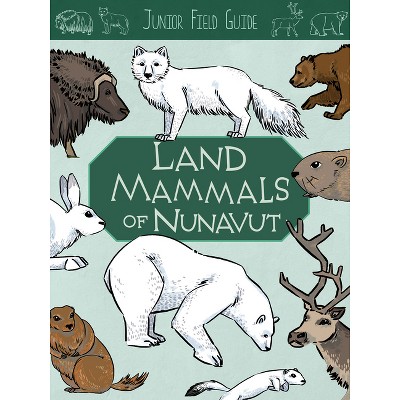
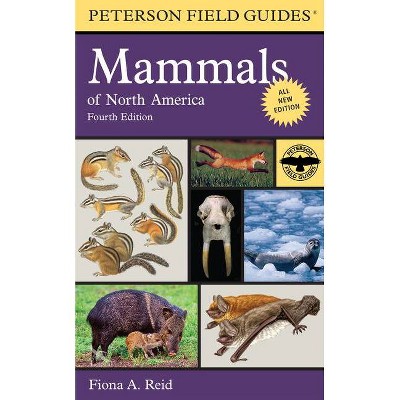
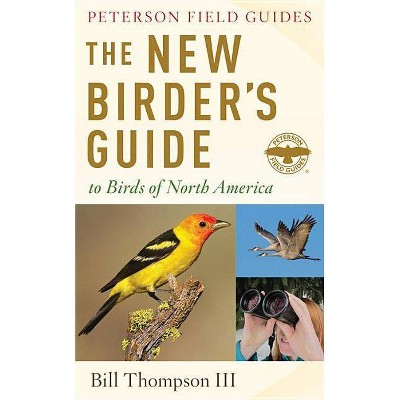
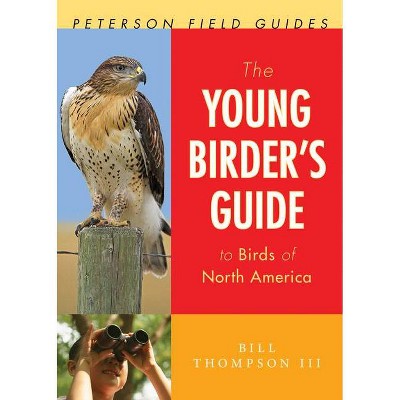
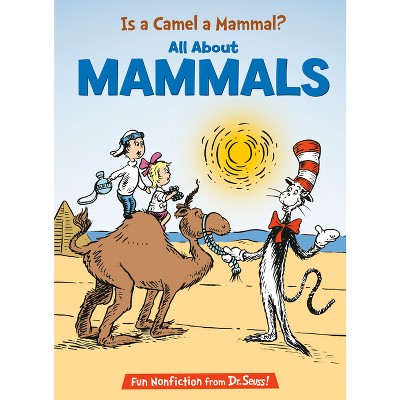
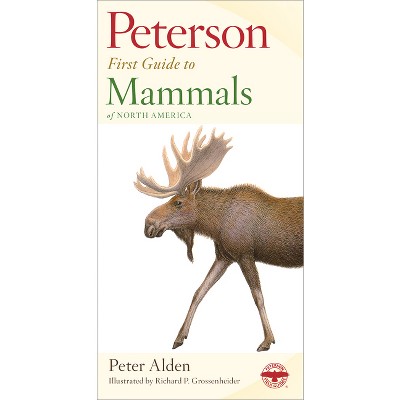
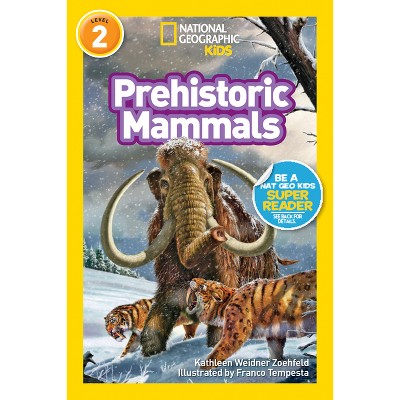
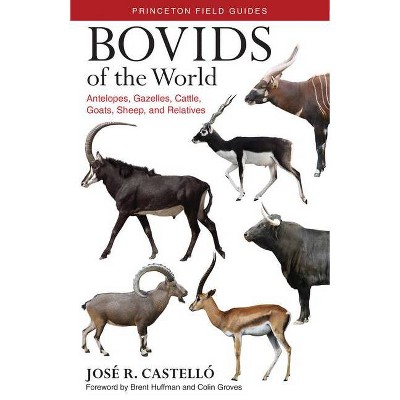
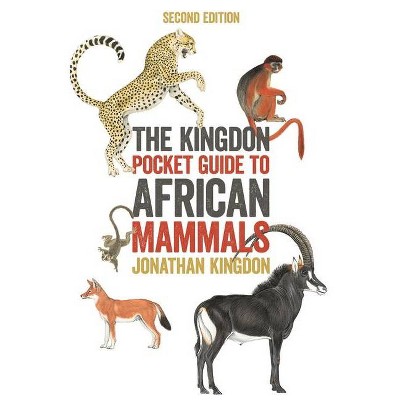
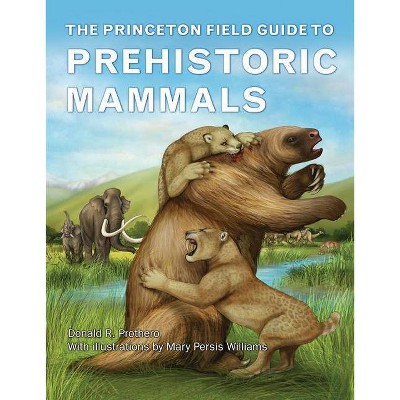
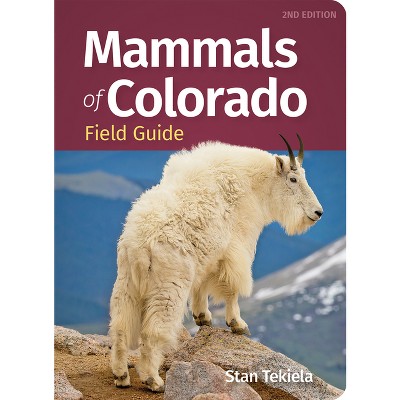
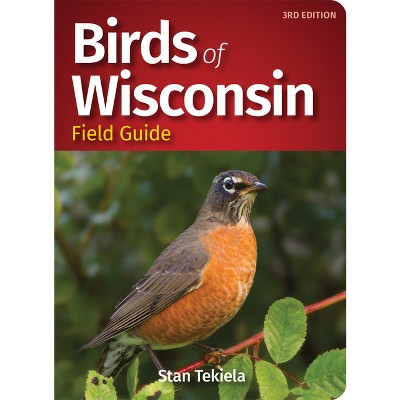
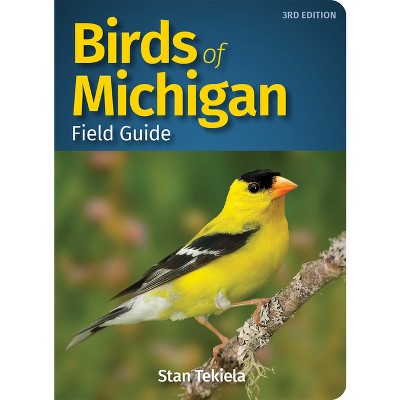
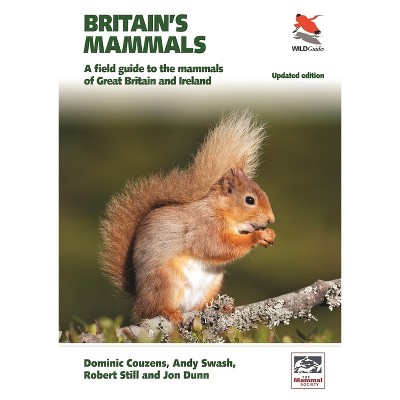
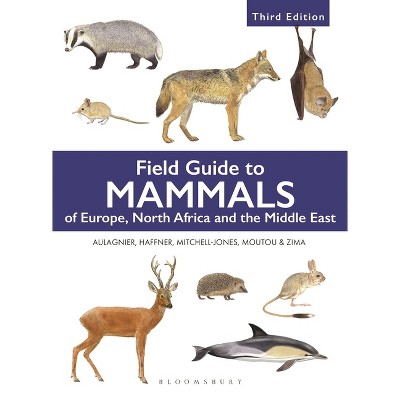
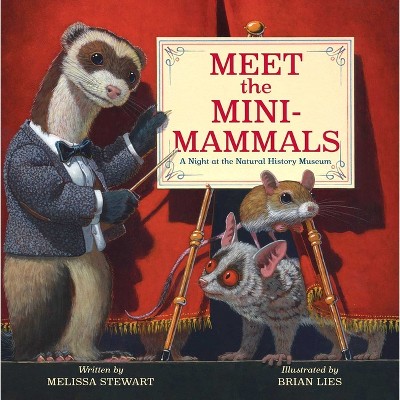
The selection includes both children’s and adult titles. Junior field guides are aimed at kids (commonly suggested ages around 8–10 or 9–16), while adult and technical references are intended for mature readers (listed examples include “22 Years and Up”).
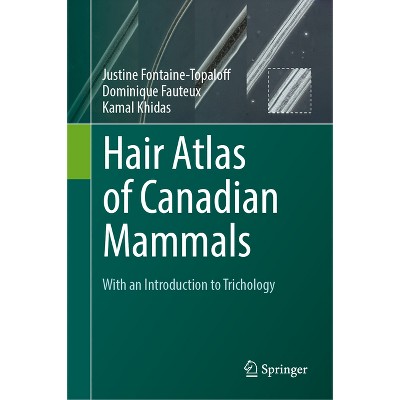
Coverage varies widely: some regional guides document a focused set of species (for example, one provincial guide lists 18 bat species and a Rocky Mountains guide covers about 85 mammals), while continental references illustrate far more (one work treats roughly 462 mammal species for the United States and Canada). There are also specialized references (e.g., a comprehensive hair atlas) that cover species details in depth.
Common identification aids include color photographs and plates, range maps, facing-page identification notes, illustrations of tracks and scat, acoustic material for bat ID, and microscopic/macroscopic hair identification keys (as found in the hair atlas). Marine mammal accounts may also show dive sequences and other behavior-based ID cues.
Species accounts typically include identification tips and where to find the animal, range and habitat information, and often additional elements such as facing-page ID notes, range maps, illustrations of tracks and scat, and—for marine species—dive sequences or behavioral notes.
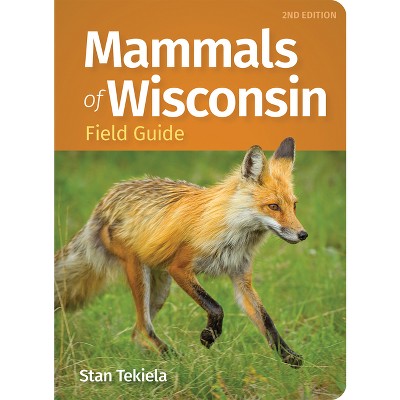
Many titles are paperback field formats described as slim and lightweight, making them pack- or pocket-friendly for field use. Physical dimensions and weights vary across the set, so while several are easy to carry on hikes, some comprehensive hardcovers and heavier reference volumes are less convenient for limited-pack space.