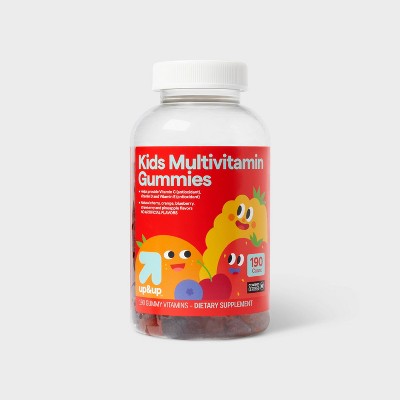
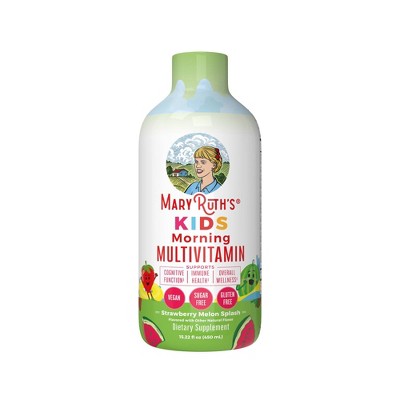
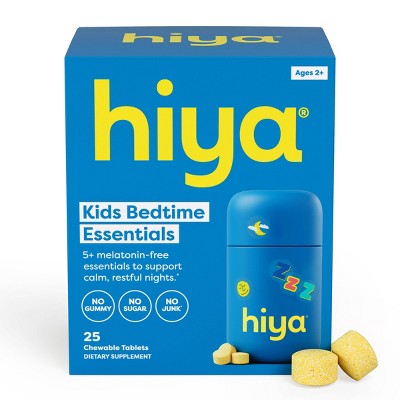
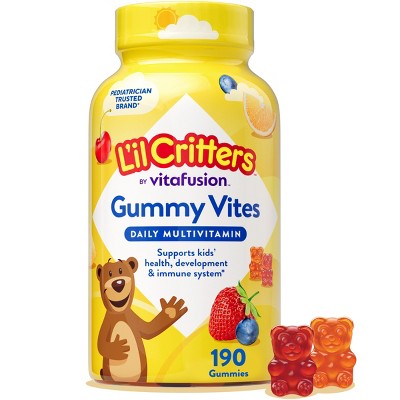
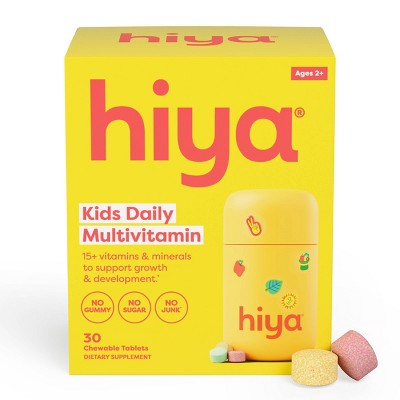
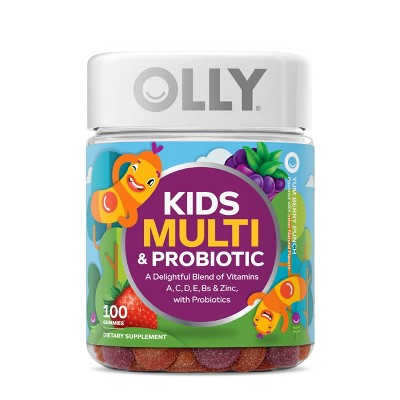
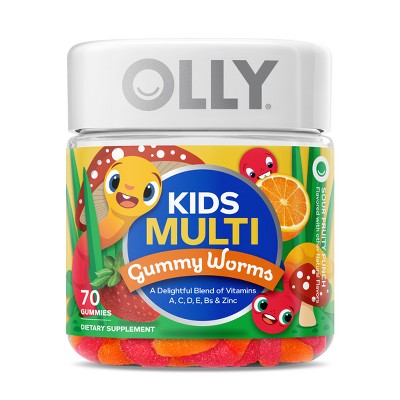
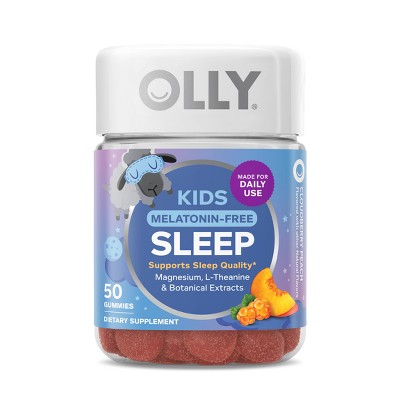
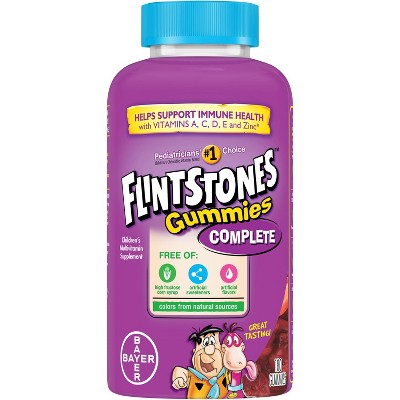
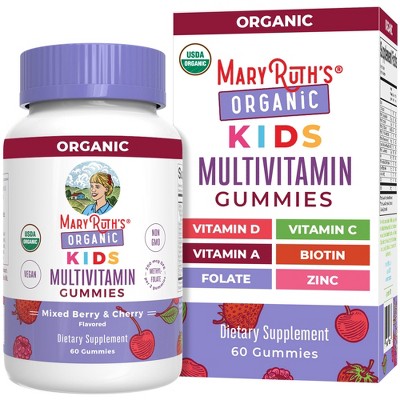
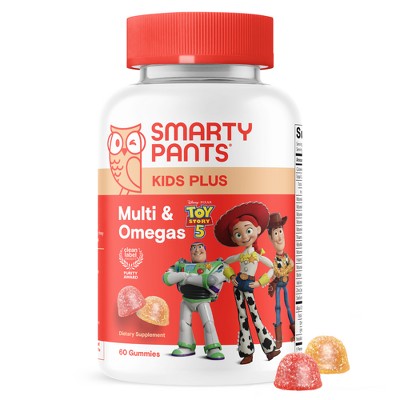
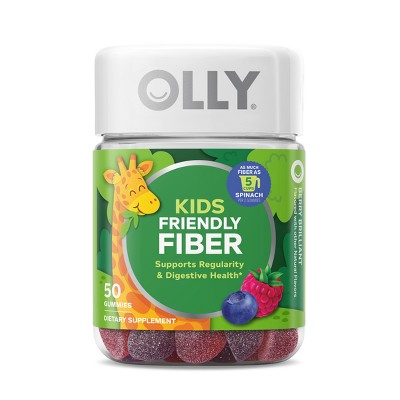
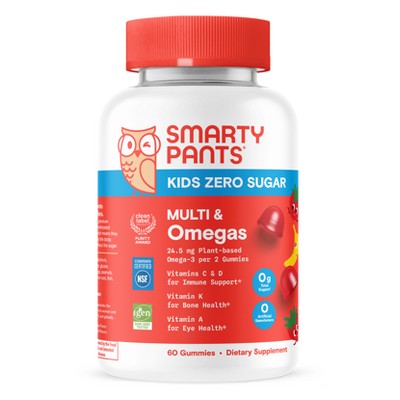
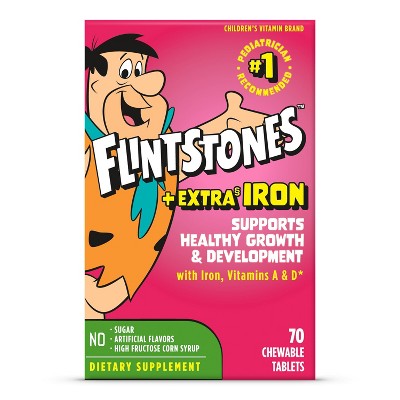
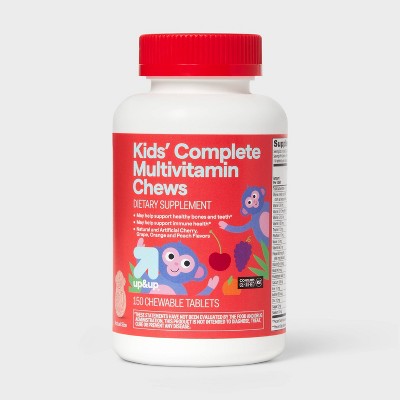
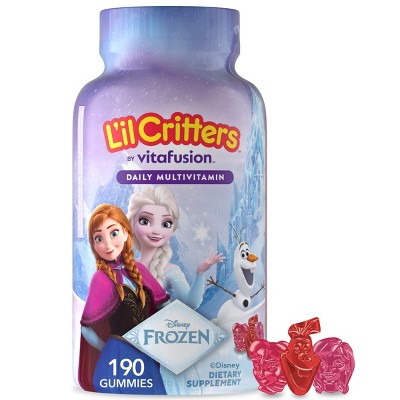
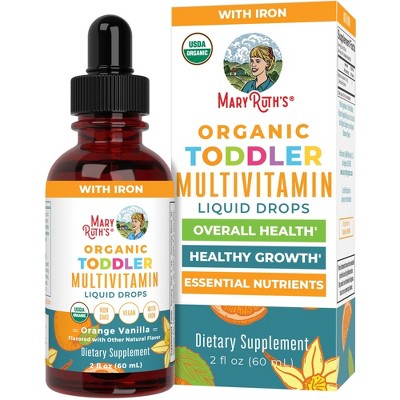
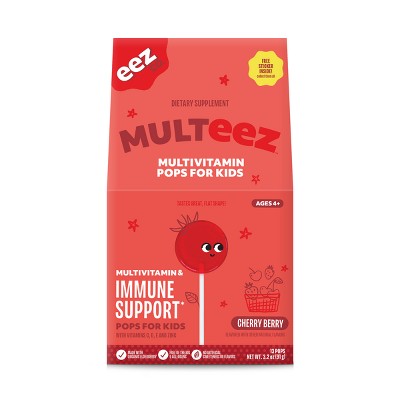
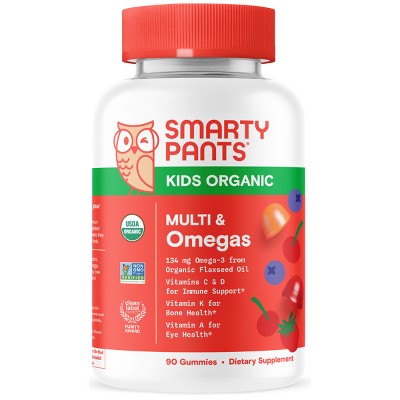
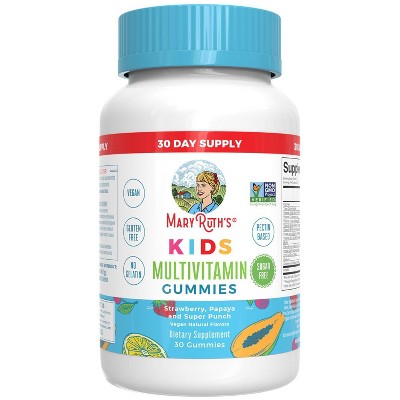
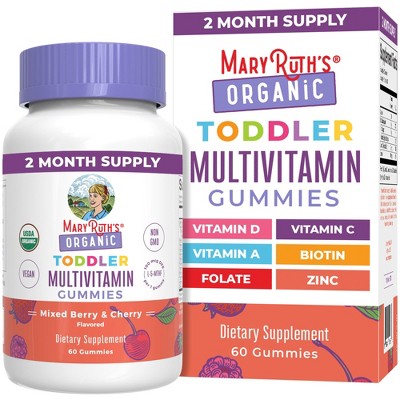
Children's vitamins are typically offered as liquid drops, gummy vitamins, and chewable tablets.
Suggested ages vary by product. Examples shown include labels such as “0–6 months,” “0–12 months,” “2 months and up” or “2+,” and “4 years and up.”
Liquid drops are commonly single-dose formats and may be labeled as a one-drop option or a 1 mL daily serving. Labels typically describe giving the drop directly into the child's mouth, placing it on a clean fingertip, adding it to a bottle or breast before feeding, or mixing it with milk, formula, food, or drink.
Common nutrients include vitamin D3, vitamin C, vitamin E, vitamin A, and various B vitamins; some infant formulas and multivitamin drops also include iron. Certain children's gummies add omega-3 (EPA/DHA). Example amounts shown in some products include 400 IU vitamin D, 30 mg EPA/DHA, and 125 mg vitamin C.
Many products advertise being sugar-free or having no added sugar and being free of common allergens (often listing top 9 allergens). Labels also commonly claim no artificial flavors, colors, or sweeteners; some specify alternative sweeteners like monk fruit and note dairy-free or vegan status.
Labels describe several options: placing a drop on the mother's breast before feeding, adding it to a bottle, placing it on a clean fingertip, administering it directly into the baby's mouth, or mixing it with food or drink.