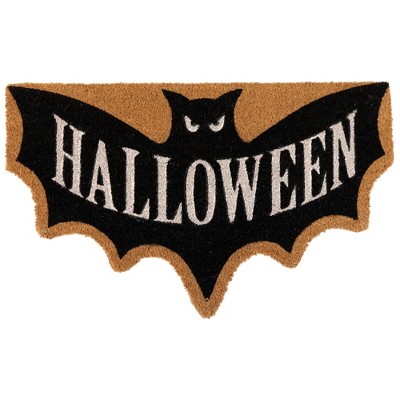
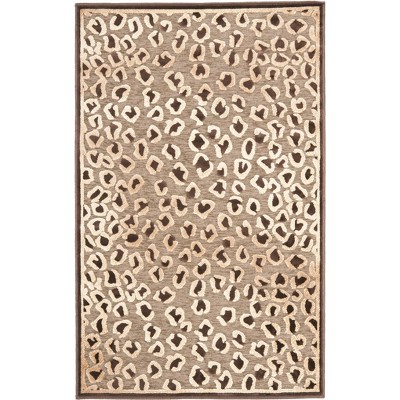
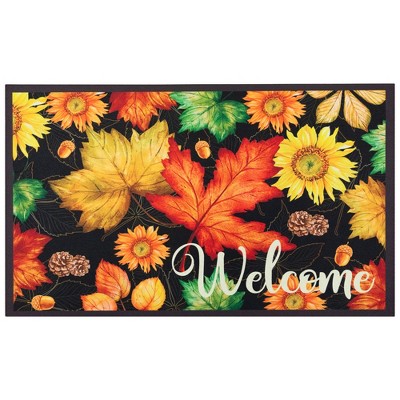
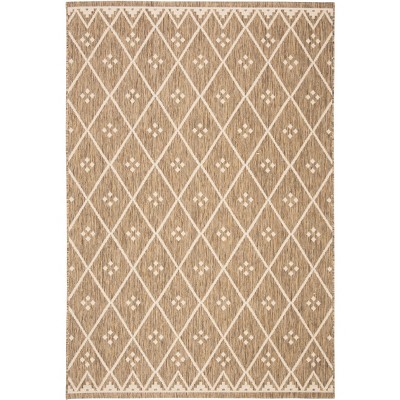
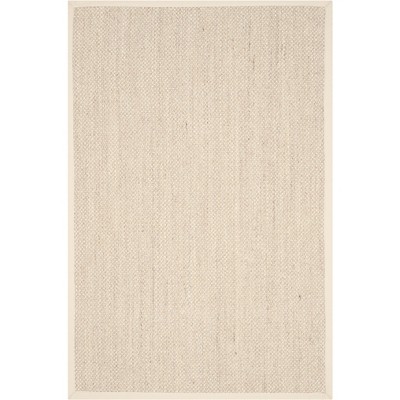
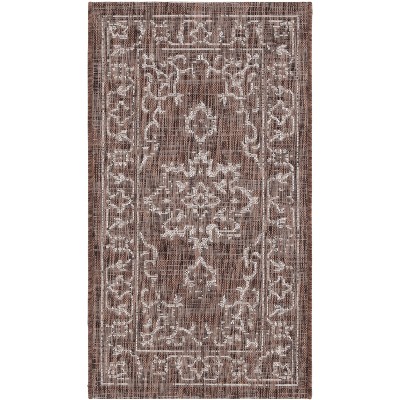
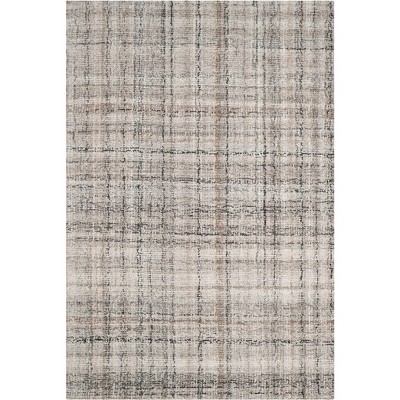
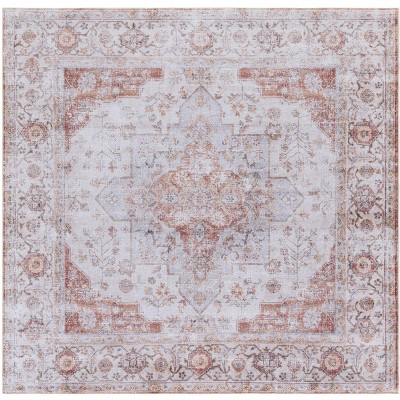
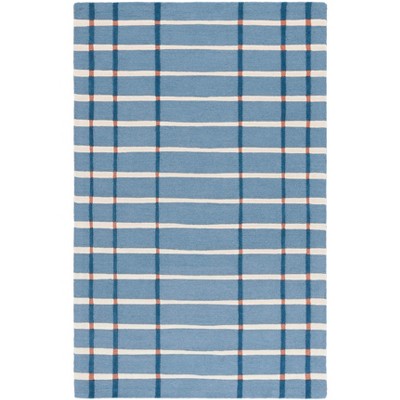
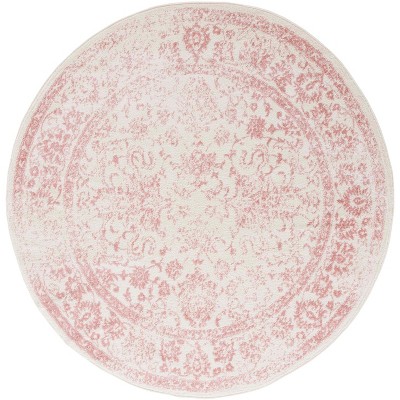
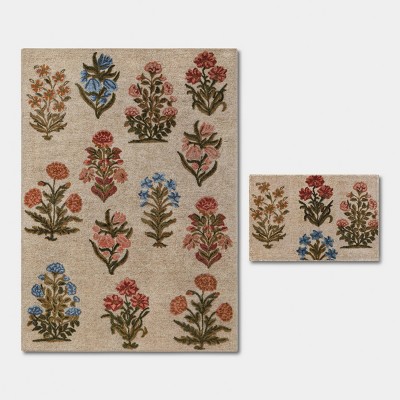
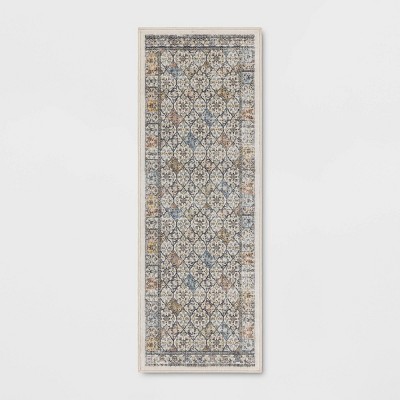
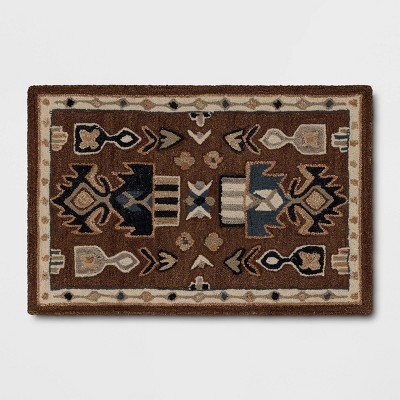
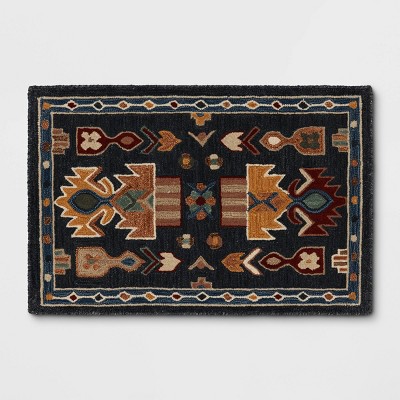
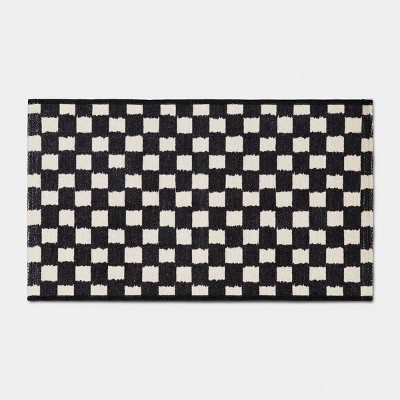
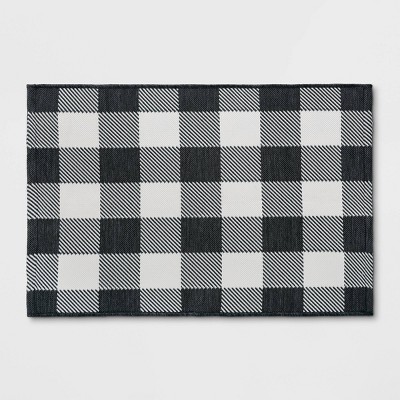
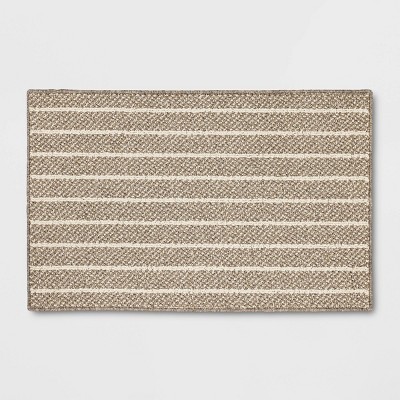
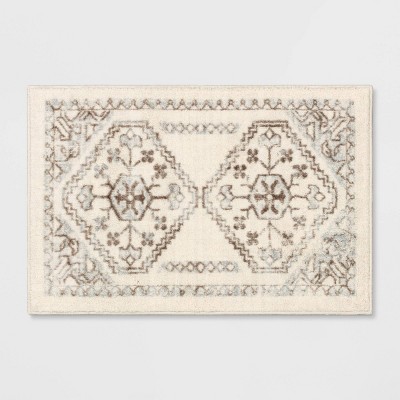
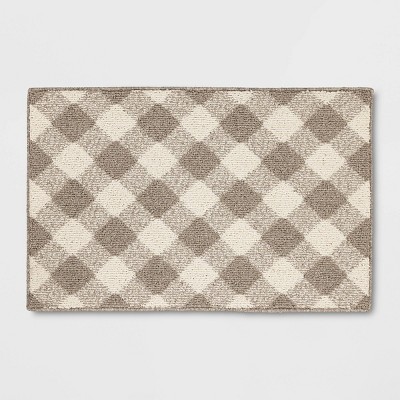
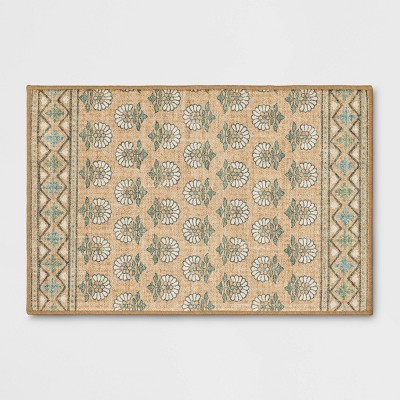
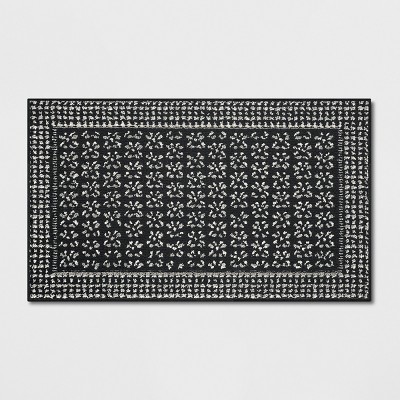
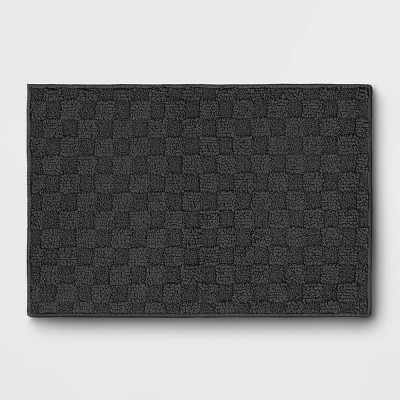
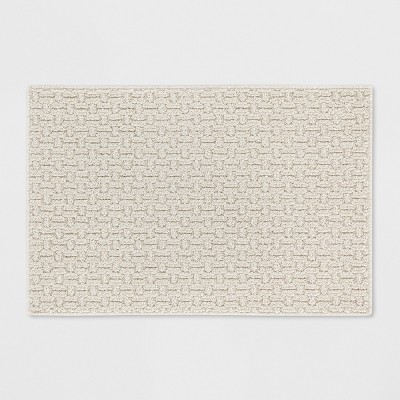
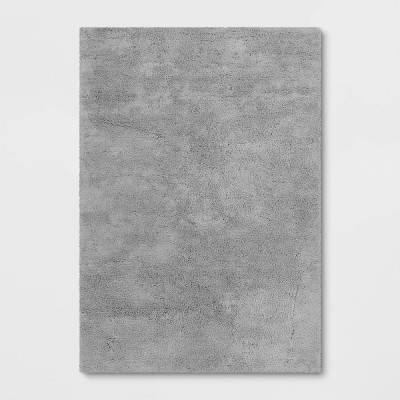
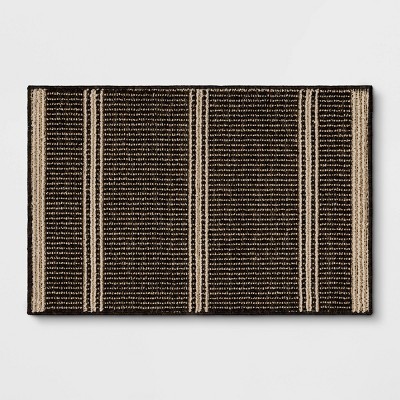
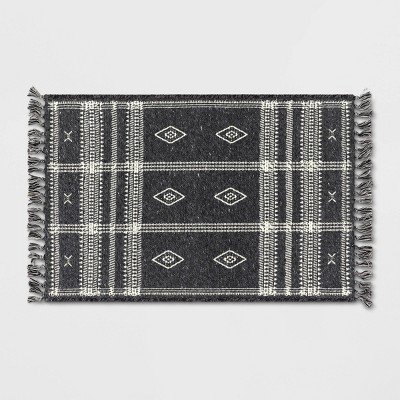
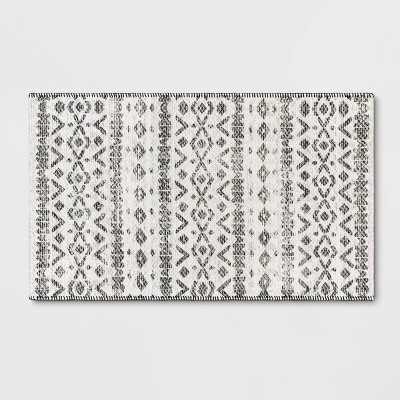
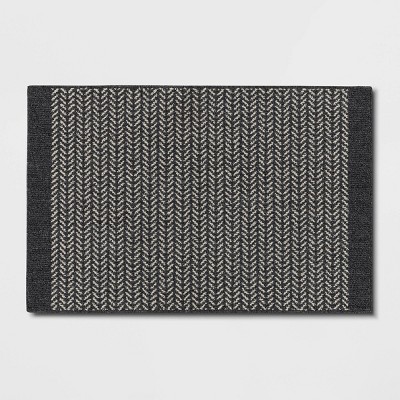
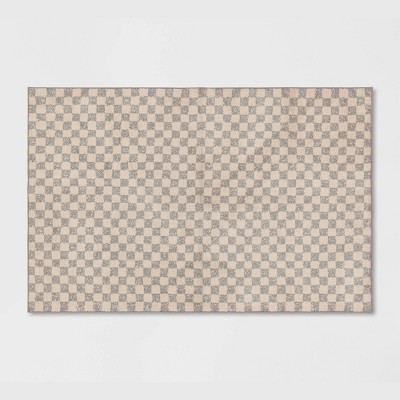
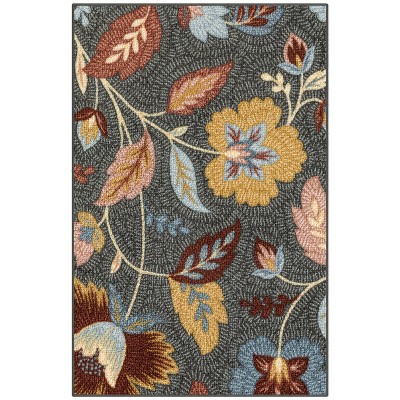
Common materials include 100% wool, polypropylene/polyester blends, 100% acrylic, 100% cotton, and 100% coir. Material choice affects texture, appearance, and care requirements.
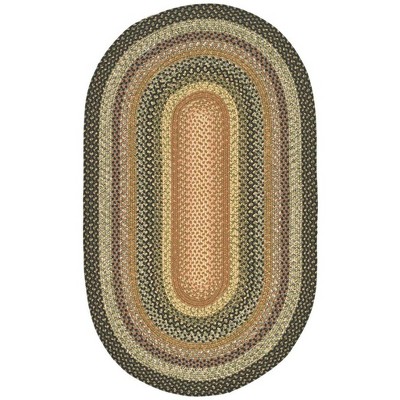
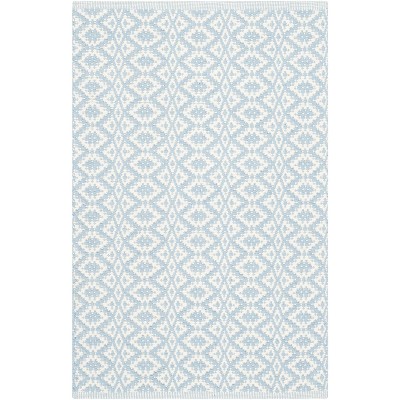
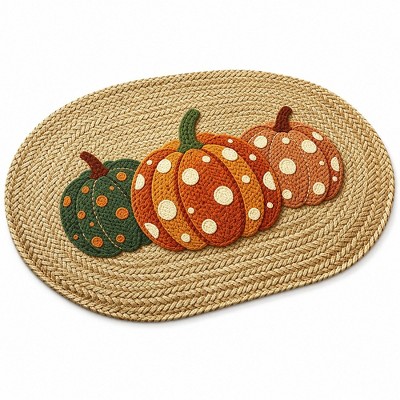
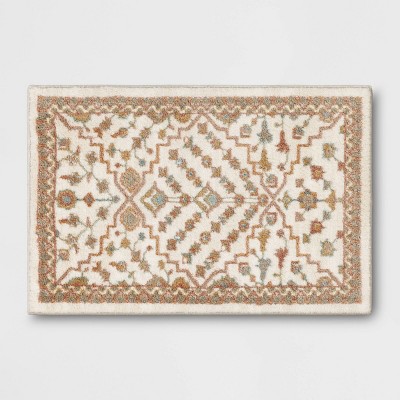
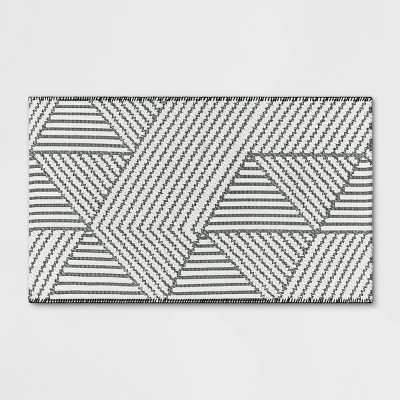
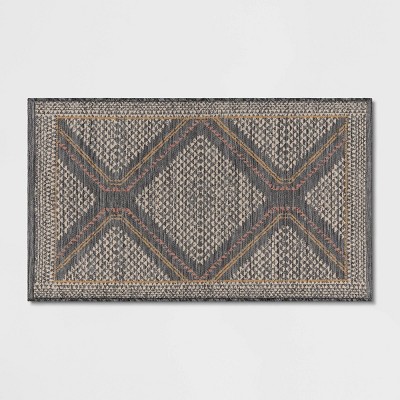
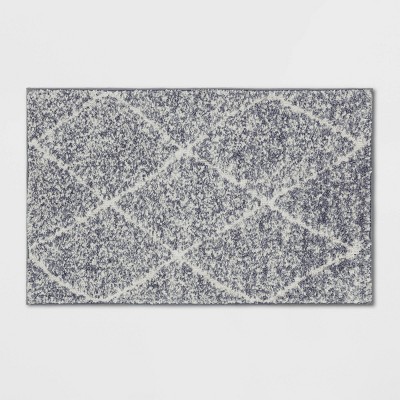
Construction varies: many are hand-crafted or handwoven, others are machine-made. Common techniques shown include hooked surfaces, braided hand‑woven construction, and machine-woven styles.
Care varies by material and construction. Many braided or woven rugs are machine wash and machine dry; others specify spot or wipe clean only. Coir doormats sometimes lack detailed care instructions in listings.
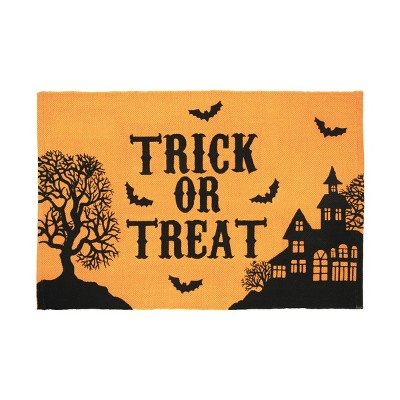
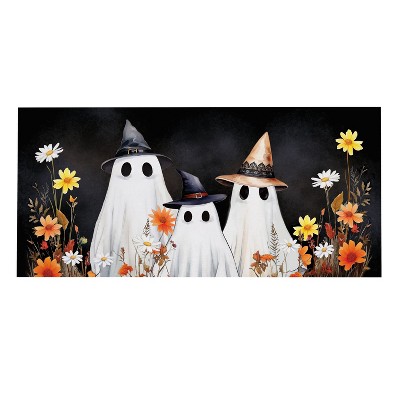
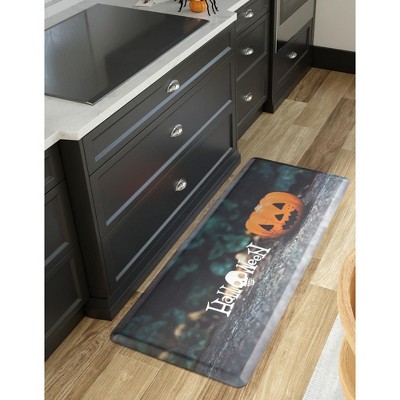
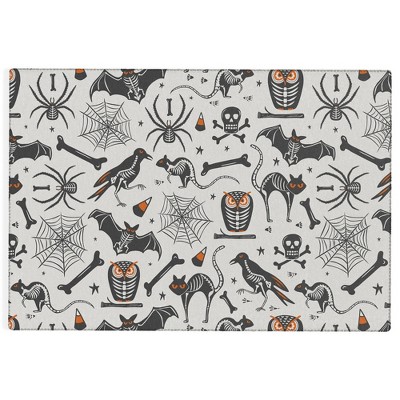
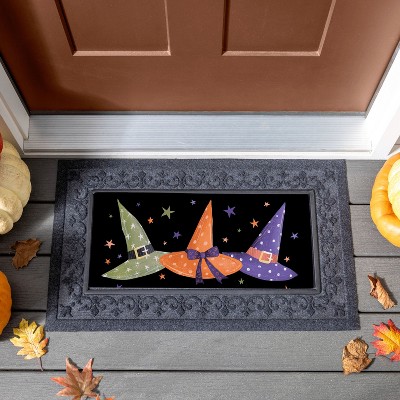
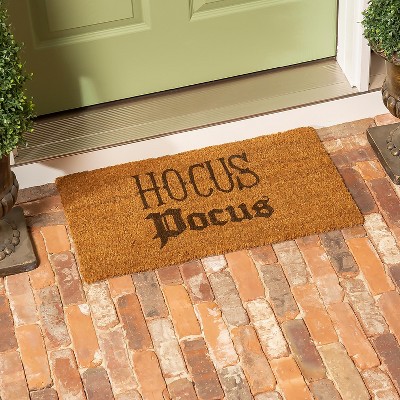
Common themes include witch boot motifs, pumpkins, bats, and seasonal text messages such as “Trick or Treat,” “No Costume No Candy,” “Happy Halloween,” “Hocus Pocus,” and “I Put A Spell on You.”
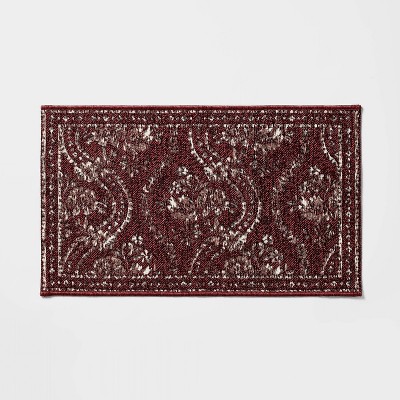
Typical sizes include small door rugs around 2'0" x 3'0" (24 x 36 in), oval runners about 1'8" x 4'0" (20 x 48 in), and coir doormats roughly 16 x 28 in.
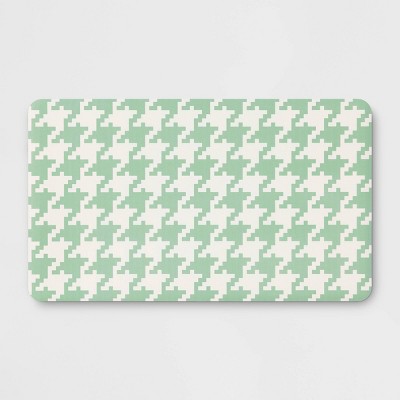
Shapes are mainly rectangular and oval. Construction styles include hooked surfaces, hand‑woven or braided constructions, and machine‑made woven options.
Pile heights range from very low (under 0.5") and low/flat (about 1/4") up to medium pile (0.5"–1"). Pile types include flat pile, loop pile, and cut pile, depending on construction.
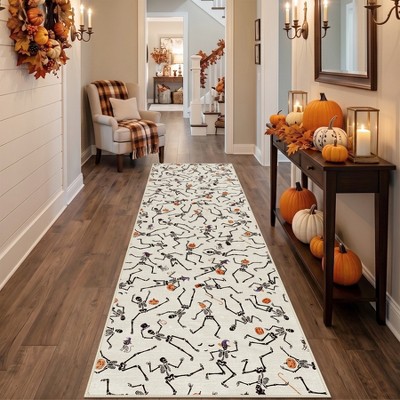
Many are intended for indoor areas such as entryways, foyers, bedrooms, living and family rooms, mudrooms, kitchens, and laundry rooms. Doormats are commonly used at front doors and covered porches, and coir mats are often listed for both indoor and outdoor use.
Many listings emphasize durable construction suitable for high‑traffic areas; hooked or textured surfaces help trap dirt. Washable options provide easy cleaning for spills, while coir doormats are described as thick, heavy‑duty fibers that absorb water quickly for indoor/outdoor use.