maze cube puzzle
1,000+ results for “maze cube puzzle”
Recommendations for you
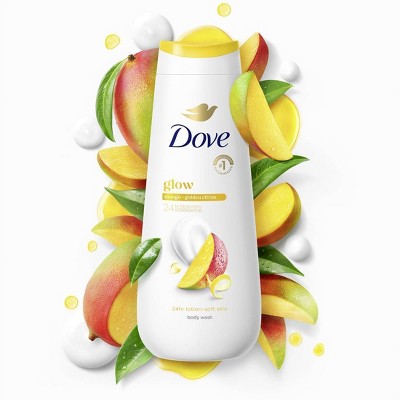
- $8.99($0.45/fluid ounce)Buy 1 get 1 50% off Dove personal care products4.3 out of 5 stars with 1607 ratings
Sponsored
$10.19
reg $11.99
Clearance
Loved for: engaging design
Related deals
- $9.99Spend $40 save $10 toys5 out of 5 stars with 2 ratings
- $24.99Spend $40 save $10 toys5 out of 5 stars with 2 ratings
- $24.99Spend $40 save $10 toys5 out of 5 stars with 4 ratings
- $12.99Spend $40 save $10 toys5 out of 5 stars with 3 ratings
- $7.99Spend $40 save $10 toys4.5 out of 5 stars with 14 ratings
- $15.39reg $21.99 ClearanceSpend $40 save $10 toys3.6 out of 5 stars with 78 ratings
- $9.99was $11.99 New lower priceSpend $40 save $10 toys4.9 out of 5 stars with 41 ratings
- $13.99was $17.49 New lower priceSpend $40 save $10 toys4.4 out of 5 stars with 5 ratings
- $11.29was $12.49 New lower priceSpend $40 save $10 toys
- $29.99Spend $40 save $10 toys
Sponsored
Sponsored
Powered by AI
Guests also ask:
Page 1Page 2Page 3Page 4Page 5Page 6Page 7Page 8Page 9Page 10Page 11Page 12Page 13Page 14Page 15Page 16Page 17Page 18Page 19Page 20Page 21Page 22Page 23Page 24Page 25Page 26Page 27Page 28Page 29Page 30Page 31Page 32Page 33Page 34Page 35Page 36Page 37Page 38Page 39Page 40Page 41Page 42Page 43Page 44Page 45Page 46Page 47Page 48Page 49Page 50
Related searches
- maze cube
- cube cube puzzle
- cube puzzle
- soma cube puzzle
- maze puzzle
- wooden cube puzzle
- snake cube puzzles
- twist cube puzzle
- melissa doig cube puzzle
- childrens wooden puzzles
- montessori puzzle
- rubix puzzle
- rainbow puzzle
- ravensburger wooden puzzles
- magnetic puzzle cube
- puzzel kids
- carousel puzzle
- melissa and doug cube puzzle
- family time puzzle
- minecraft whack a mole
Trending now
- $12.99Spend $40 save $10 toys5 out of 5 stars with 3 ratings
- $13.49Spend $40 save $10 toys1 out of 5 stars with 1 ratings
- $15.39reg $21.99 ClearanceSpend $40 save $10 toys3.6 out of 5 stars with 78 ratings
- $24.99Spend $40 save $10 toys5 out of 5 stars with 2 ratings
- $9.99was $11.99 New lower priceSpend $40 save $10 toys4.9 out of 5 stars with 41 ratings
- $13.99was $17.49 New lower priceSpend $40 save $10 toys4.4 out of 5 stars with 5 ratings
- $9.99Spend $40 save $10 toys5 out of 5 stars with 2 ratings
- $24.99Spend $40 save $10 toys5 out of 5 stars with 4 ratings
- $7.99Spend $40 save $10 toys4.5 out of 5 stars with 14 ratings