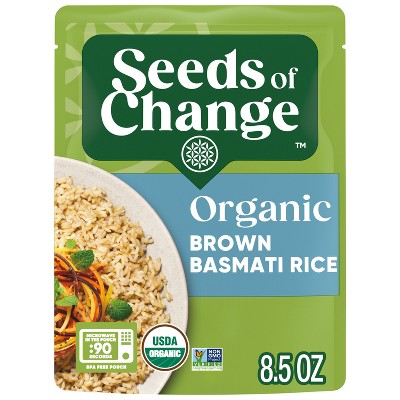
$2.99($0.35/ounce)
Loved for: quick cooking
SNAP EBT eligible
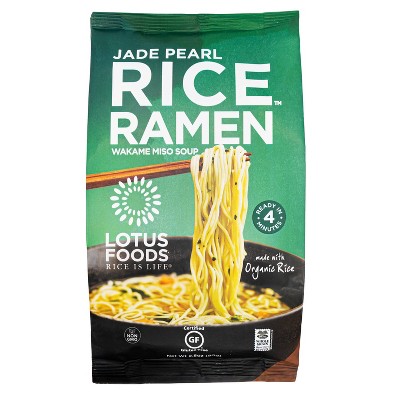
$2.39($0.85/ounce)
SNAP EBT eligible
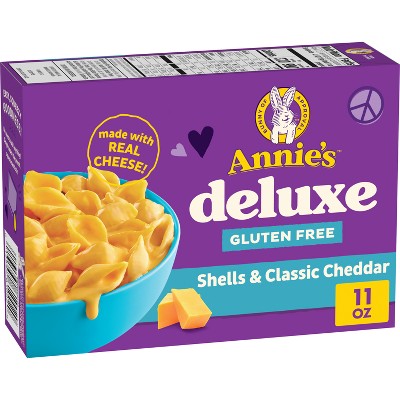
$5.49($0.50/ounce)
Loved for: easy preparation
SNAP EBT eligible
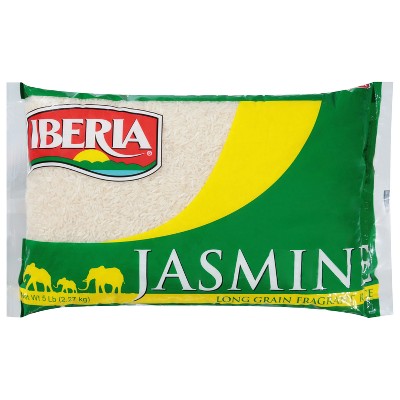
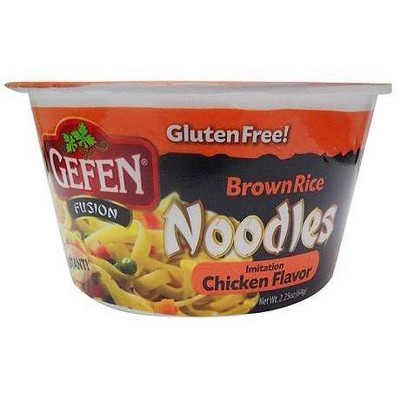
$4.19($1.86/ounce)
SNAP EBT eligible
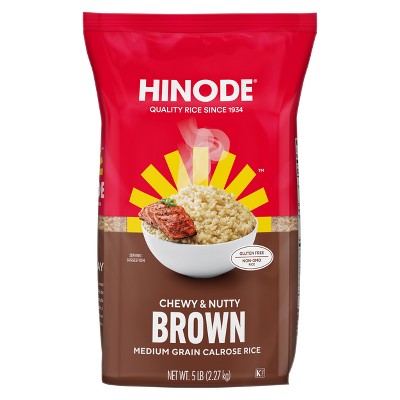
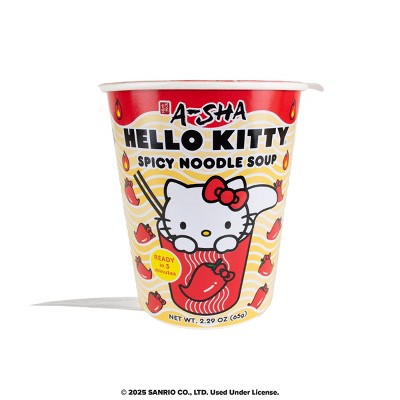
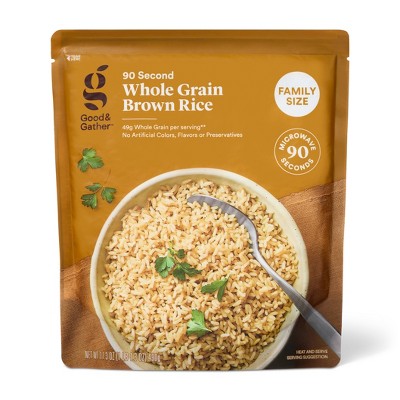
$2.79($0.16/ounce)
was $2.99
New lower price
SNAP EBT eligible
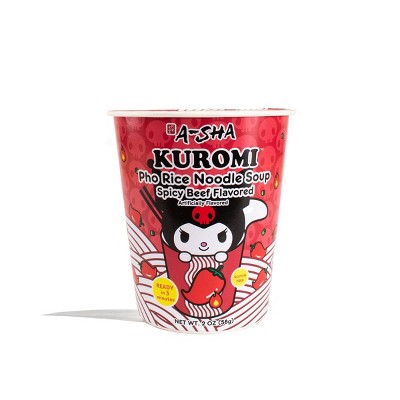
$2.99($1.50/ounce)
SNAP EBT eligible
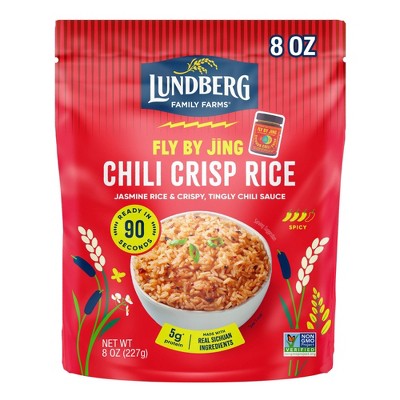
$3.99($0.50/ounce)
SNAP EBT eligible
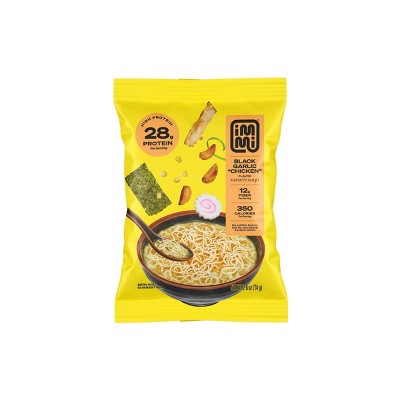
$3.79
Loved for: great flavor
SNAP EBT eligible
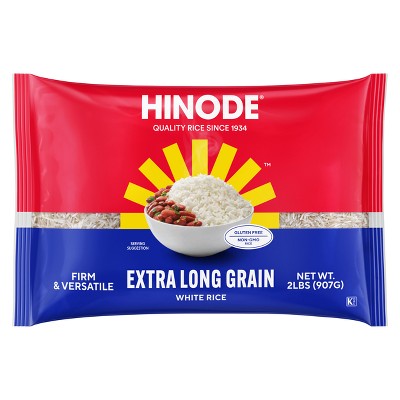
Sponsored
$2.79($0.16/ounce)
was $2.99
New lower price
SNAP EBT eligible
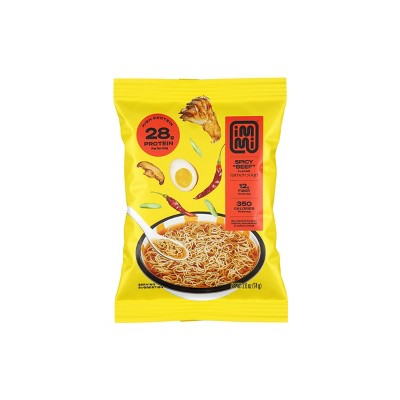
$3.79
Loved for: high protein content
SNAP EBT eligible
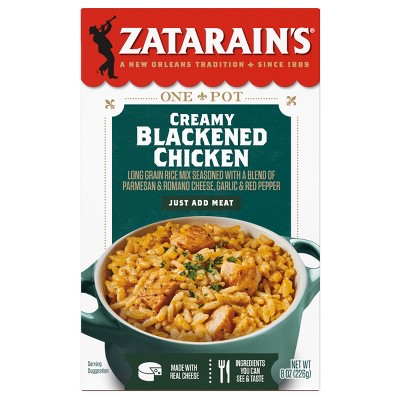
$1.99($0.25/ounce)
SNAP EBT eligible
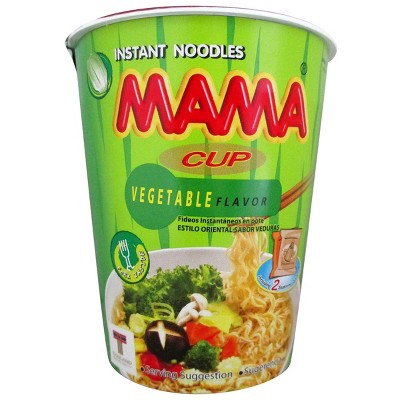
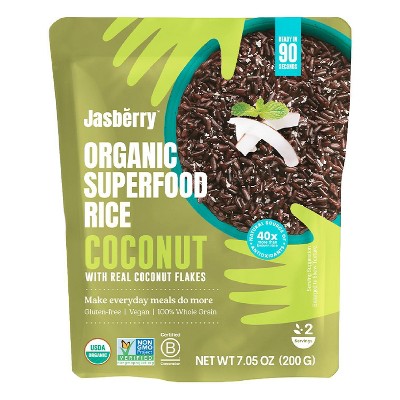
$3.59($0.51/ounce)
reg $3.99
Sale
SNAP EBT eligible
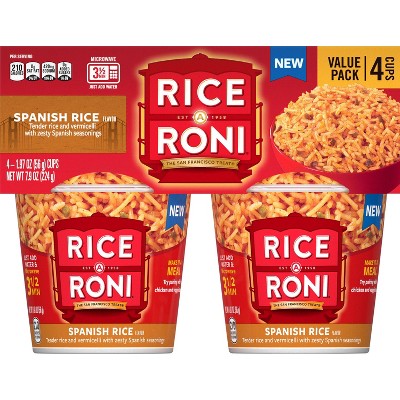
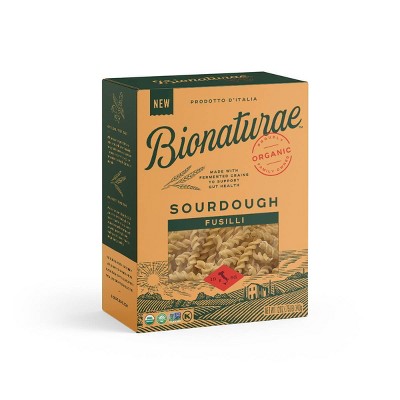
$3.99($0.33/ounce)
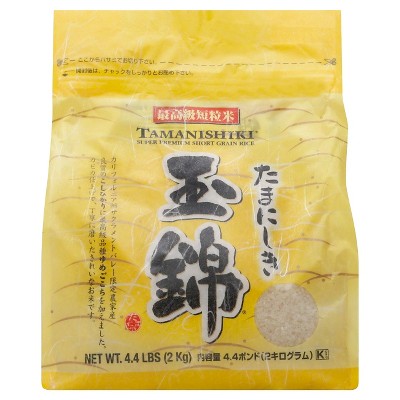
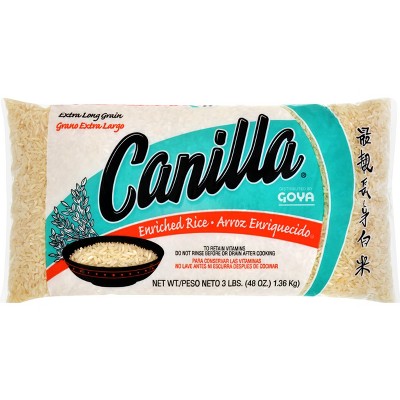
$4.19 - $9.59
Sponsored