Target New ArrivalsHalloweenChristmasGift IdeasClothing, Shoes & AccessoriesHome & DecorKitchen & DiningPatio, Lawn & GardenGroceryHousehold EssentialsBabyBeautyTarget Beauty StudioPersonal CareSports & OutdoorsPetsHealthWellnessSchool & Office SuppliesToys & GamesElectronics & TechVideo GamesBooks, Music & MoviesParty SuppliesGift CardsShop by CommunityTarget OpticalDealsClearanceNew ArrivalsHalloweenChristmasGift IdeasTop DealsTarget Circle DealsWeekly AdShop Order PickupShop Same Day DeliveryRegistryRedCardTarget CircleFind Stores

stomach probiotic

304 results for “stomach probiotic”
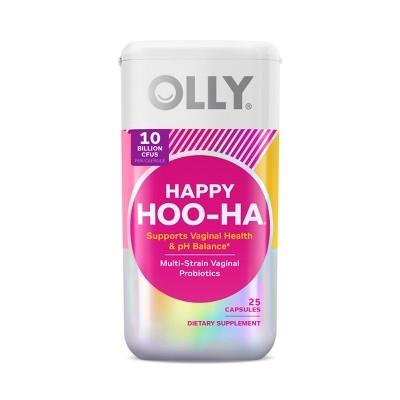
OLLY Happy Hoo-Ha Probiotic Capsules for Women Supports, Vaginal Health and pH Balance - 25ct

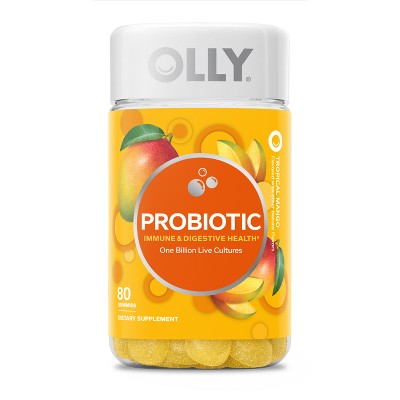
OLLY Probiotic Gummies - Tropical Mango - 80ct

$21.49($0.27/count)

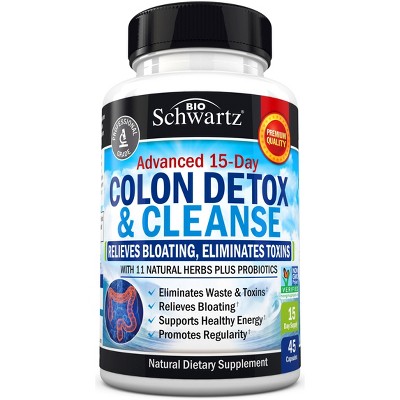
Colon Cleanse, Colon Detox and Gut Cleanse Capsules for Weight Loss, Bioschwartz, 45ct

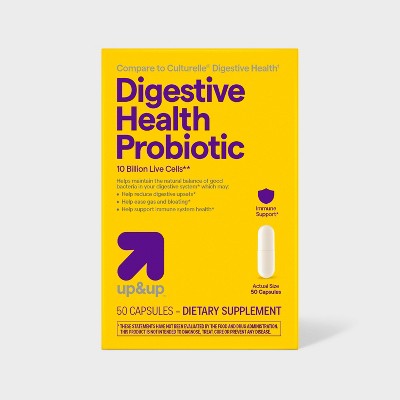
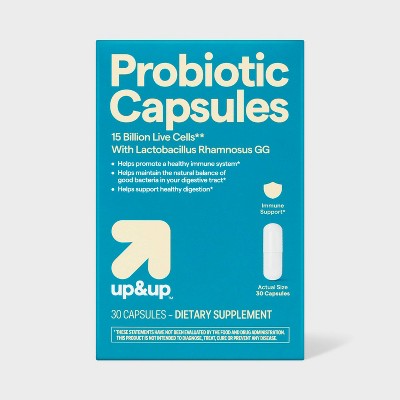
Probiotic Supplement Capsules - 50ct - up&up™

Sponsored

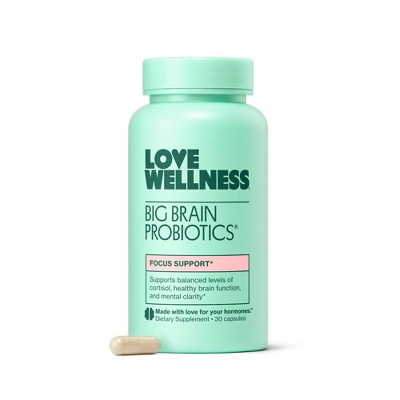
Love Wellness Big Brain Probiotics - 30ct

$24.99($0.83/count)

Emma Relief Daily Digestive Supplement

Love Wellness Clear Skin Probiotics for Clear and Healthy Skin - 30ct

$24.49($0.82/count)

Immune Support Probiotic Dietary Supplement Capsules - 30ct - up&up™

$14.69($0.49/count)

Sponsored

Powered by AI

Guests also ask:

Labels vary: some products are marketed as suitable for "All Ages," many are labeled for adults (for example 18+ or "Adult Use Only"), and several are formulated and labeled for children, often from about 4 years and up.

Commonly listed digestive-support strains include several Lactobacillus species (for example L. rhamnosus GG, L. reuteri, L. fermentum, L. acidophilus, L. gasseri, L. paracasei, L. plantarum) and Bifidobacterium species (such as B. lactis, B. breve, B. infantis, B. bifidum). Some formulas also use Bacillus coagulans.

Most stomach probiotics use simple daily dosing—often one capsule or softgel per day. Chewable or gummy formulas typically recommend one chew or gummy daily, and powdered blends generally recommend one scoop mixed into a beverage.

Some probiotic products pair live cultures with prebiotics such as FOS (fructooligosaccharides) or organic acacia (fiber). Others add whole-food extracts or digestive-support ingredients like kiwifruit extract and may include added vitamins such as vitamin C and vitamin D.

Product details commonly indicate whether a probiotic is shelf-stable (no refrigeration required) or should be refrigerated. While many items are labeled as shelf-stable, some product descriptions or reviewer notes recommend refrigeration to help preserve live cultures, so storage instructions should be checked on the label.

Skip to next section

Get top deals, latest trends, and more.