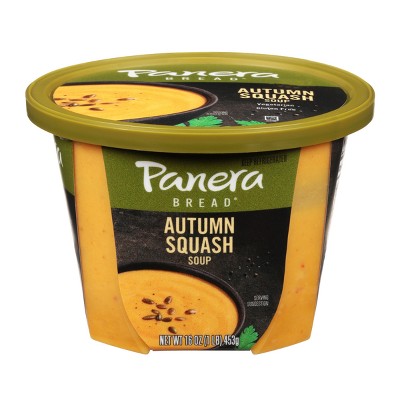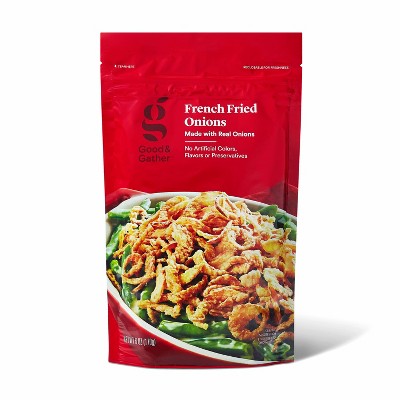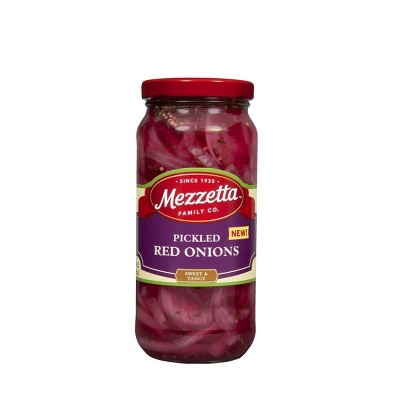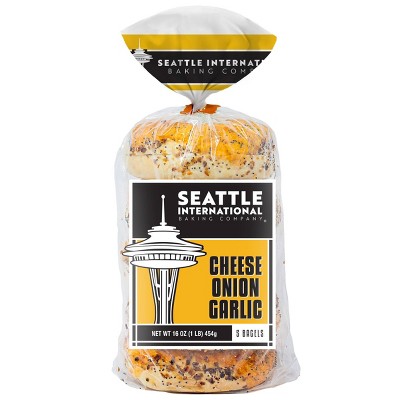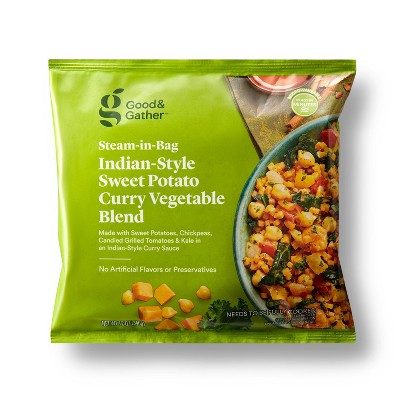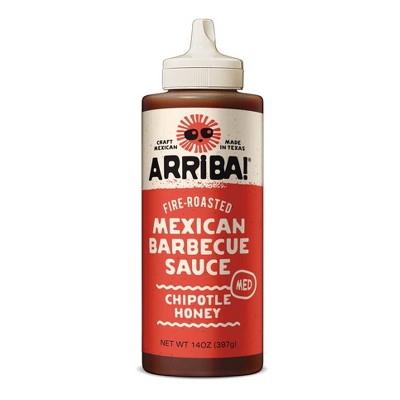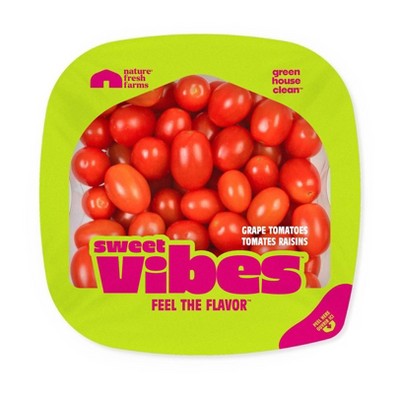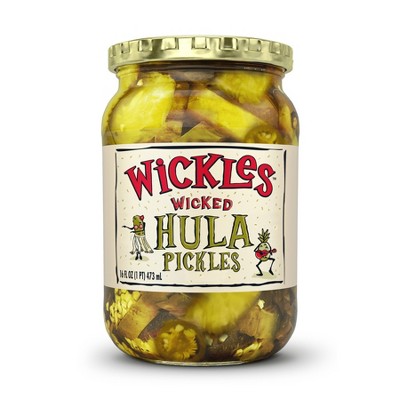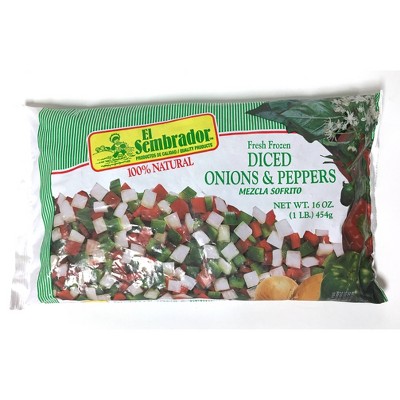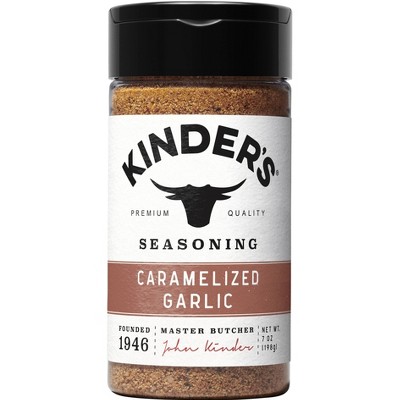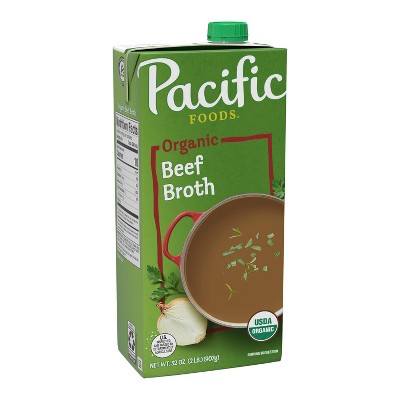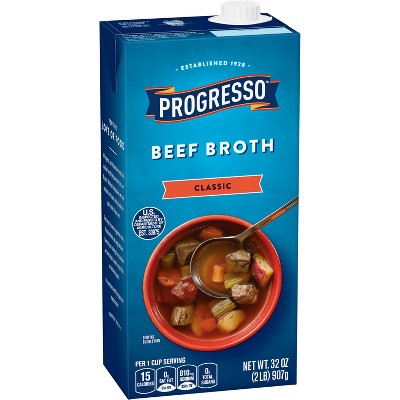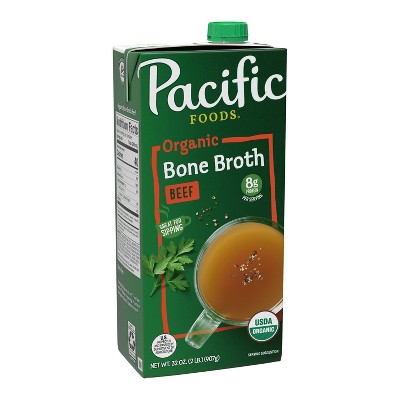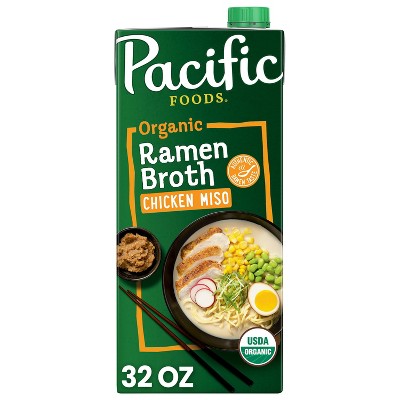
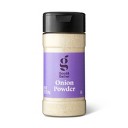
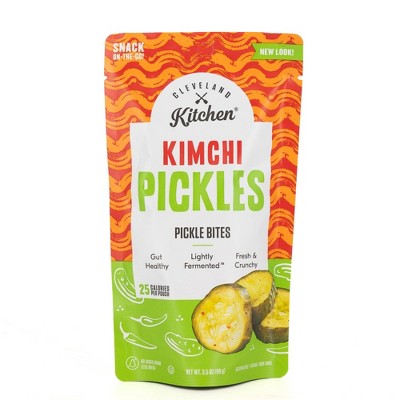
Some prepared sweet onion items list common allergens such as wheat, soy, and milk. Other listings explicitly state they do not contain the nine major allergens and include gluten-free or certified gluten-free labeling.
Fresh sweet onions are recommended to be stored in a cool, dry place (for example, a pantry). Listings note a long shelf life when onions are kept under those conditions.
Listings include raw/ingredient-style entries and prepared ready-to-eat or ready-to-use items. Labels shown include phrases like “Pre-package preparation: Raw,” “State of Readiness: Ingredient,” “State of Readiness: Ready to Eat,” and “State of Readiness: Ready to Use.”
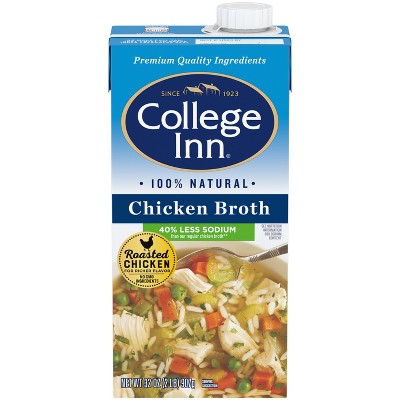
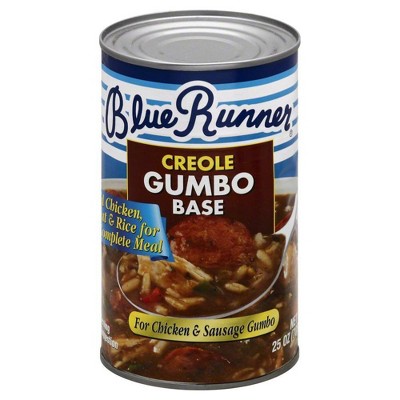
Example package sizes and net weights found in listings include 5 oz, 16 fl oz (US), 30 ounces, 96 ounces, and 2 pounds (2 lb) bagged options.
Some fresh sweet onion listings specify a U.S. Grade No. 1 / USDA Grade #1 quality designation.
Pickled listings emphasize slicing and pickling notes (sweet or tangy), ingredients/seasonings, and labels like “No Artificial Colors/Flavors” or gluten-free. Fresh listings focus on whole or bagged produce details such as net weight and grade/pack size.