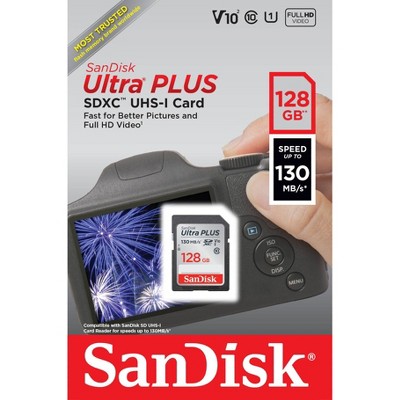
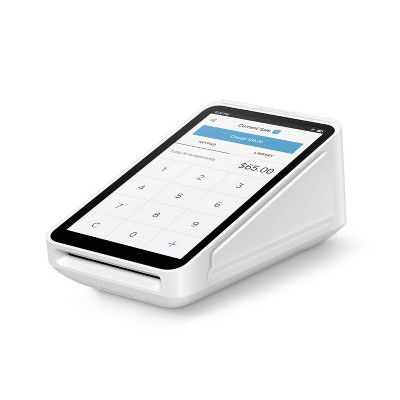
USB card readers commonly support a wide range of formats: memory cards (SD/SDHC, microSD, Memory Stick, MMC and other legacy formats), smart cards compliant with ISO 7816 (Class A/B/C and certain I2C/EEPROM cards), and magnetic-stripe (magstripe) readers used for swiped payments.
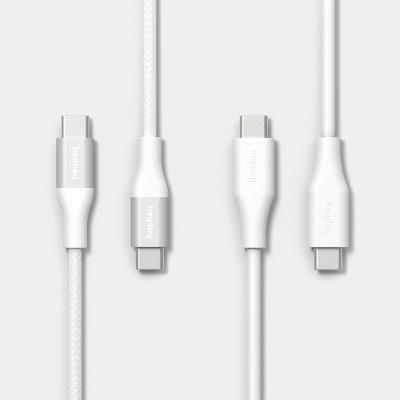
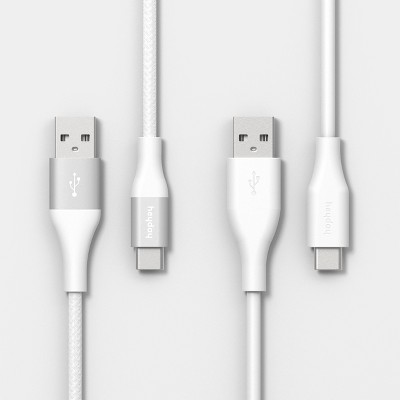
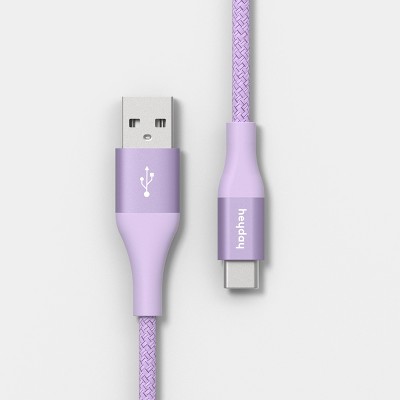
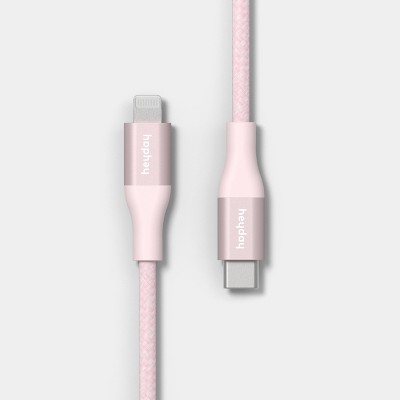
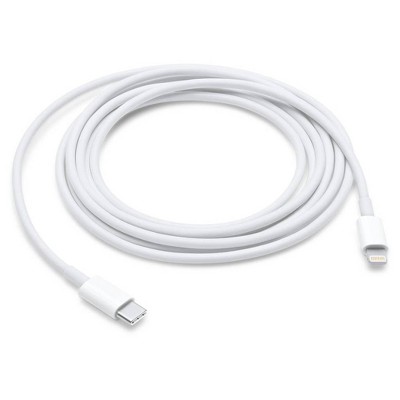
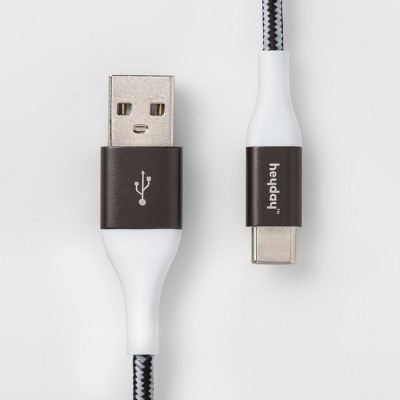
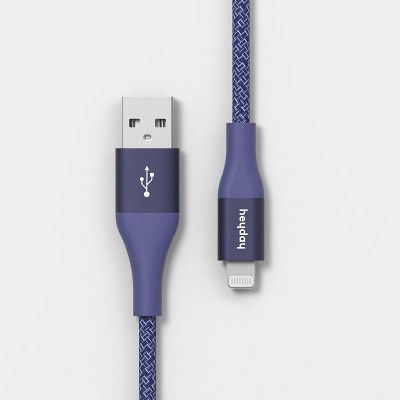
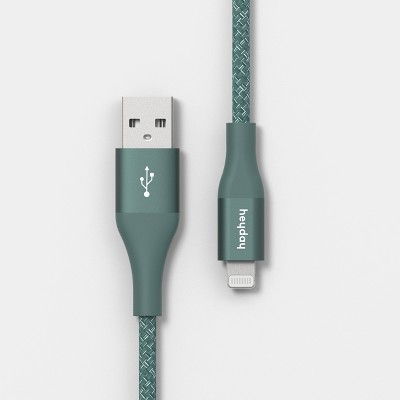
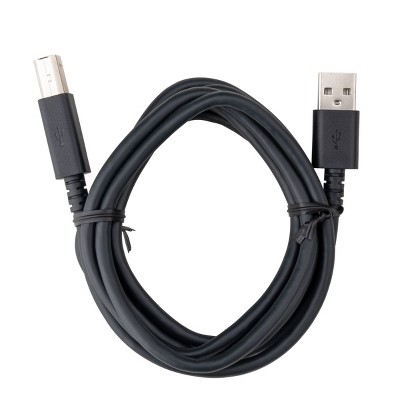
Card readers and adapters are offered with USB-C and USB-A connectors; some list a generic USB/USB 2.0 port. A number of devices provide both USB-C and USB-A interfaces via swivel or dual-interface designs.
Most USB card readers are bus-powered and don’t use batteries. Some smart card readers list advanced power-management features such as USB selective suspend, power-saving modes, and remote wake-up triggered by card insertion or removal.
Durability and protections vary by model. Some smart card readers state a lifespan (for example, around 100,000 card insertions) and product listings commonly note slot protections such as card power over-current or overcurrent protection. Individual product pages should be checked for specific durability ratings and protective features.
Portability varies widely: listed heights range from about 0.4 inches up to 6 inches, and listed weights span from as light as 0.01 ounces up to 0.25 pounds. That means options range from tiny dongles to larger hub-style stations—check product dimensions and weight for exact portability.
Some readers include extras such as integrated USB hubs (for example, three USB 2.0 ports), LED status indicators, file-management features, plug-and-play convenience, and swivel or rotatable dual connectors to simplify plugging.