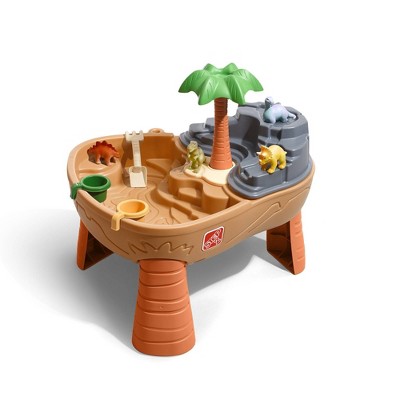
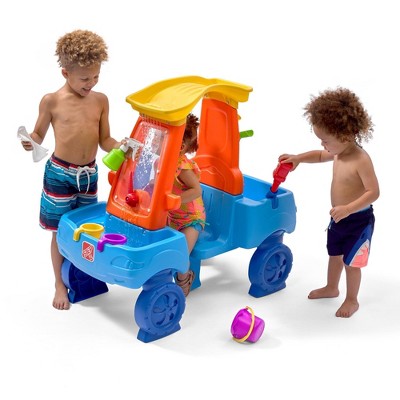
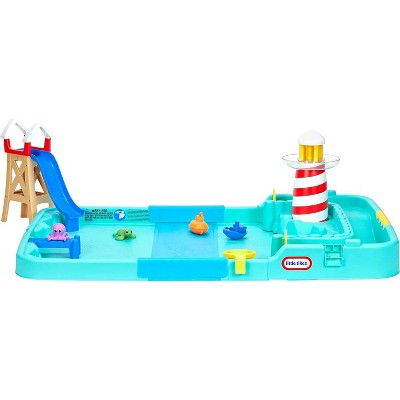
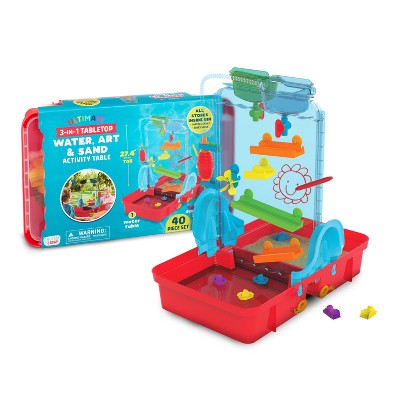
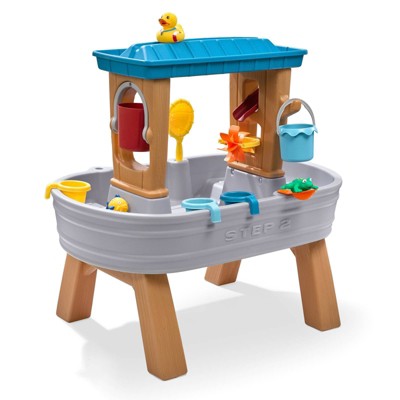
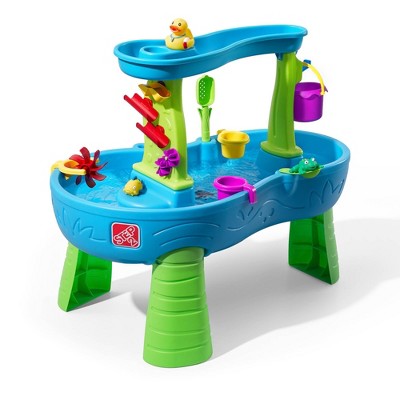
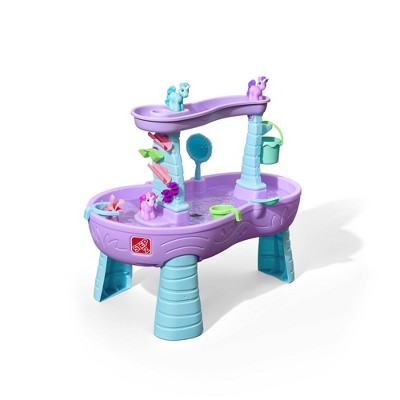
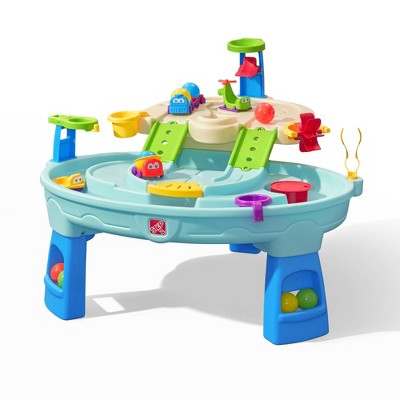
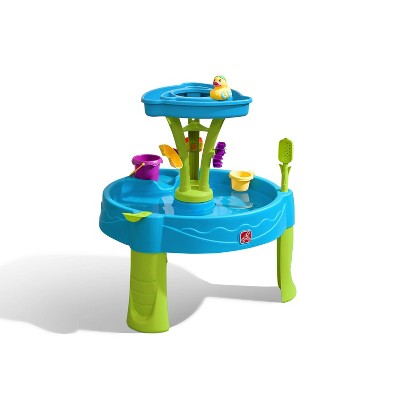
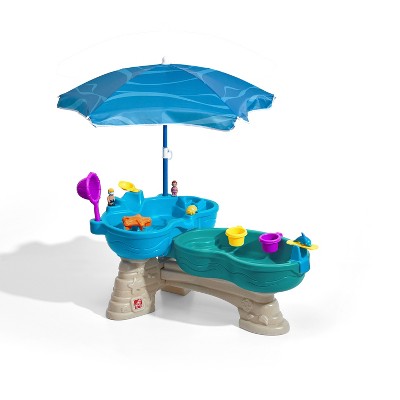
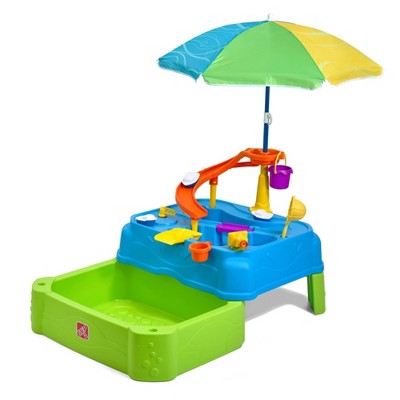
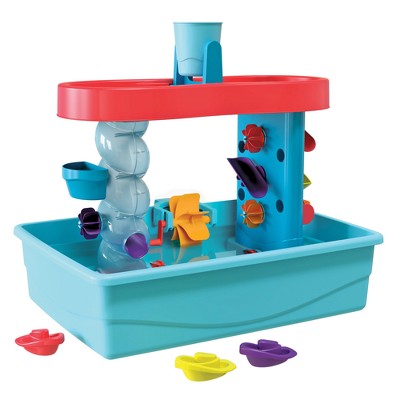
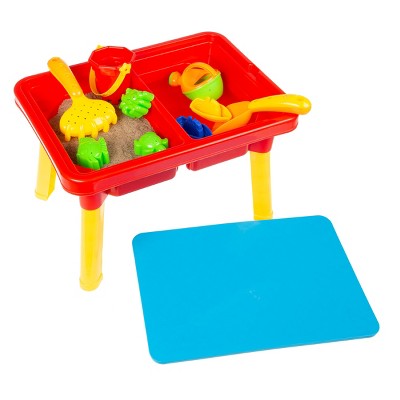
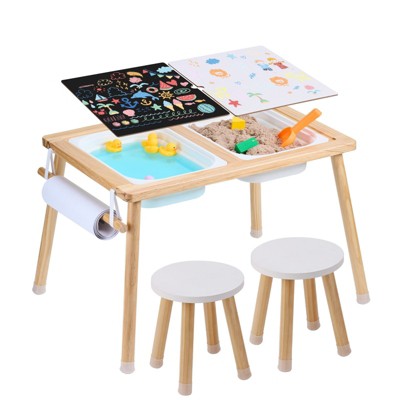
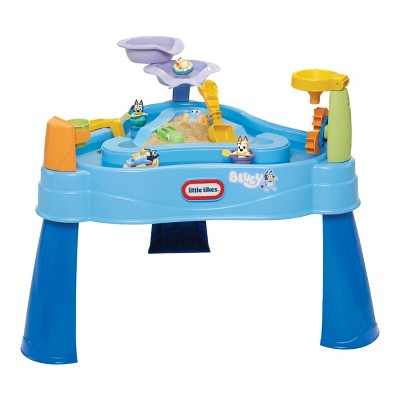
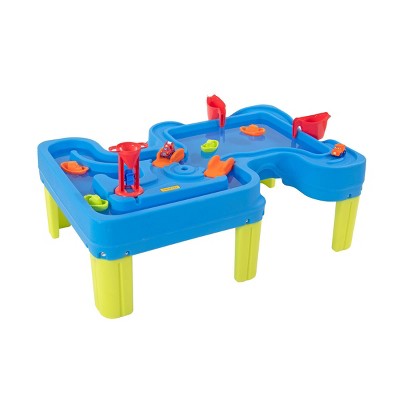
Some larger water toys require adult assembly — sometimes with tools — while others arrive ready to use. Check the product listing or packaging for specific assembly instructions, included hardware, and any tools required before purchase.
Product details commonly list plastics (such as polypropylene and ABS), PVC, thermoplastic rubber (TPR), metal components, and other molded plastics. Check the item description for exact materials if you have allergies or durability preferences.
Look for sealed, water‑tight or air‑tight designs and products labeled mildew- or mold-resistant. These features limit water ingress and help reduce the chance of mold or mildew growth inside the toy.
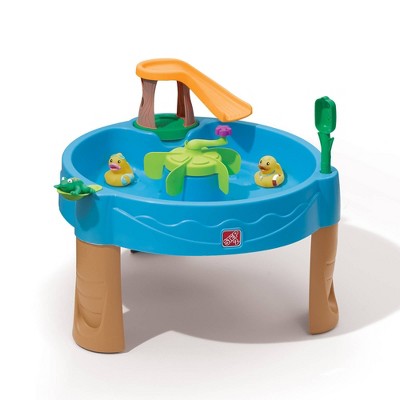
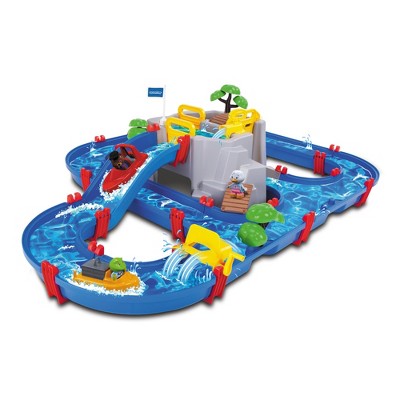
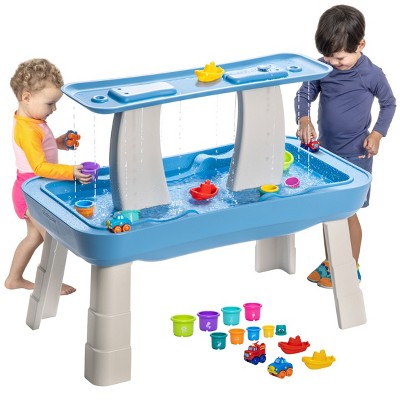
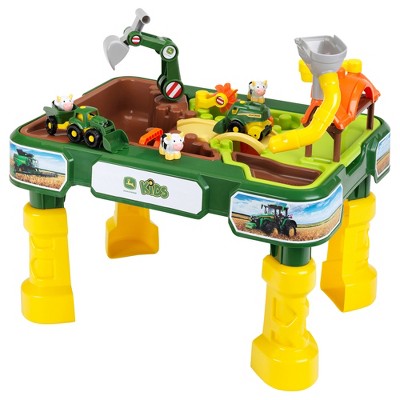
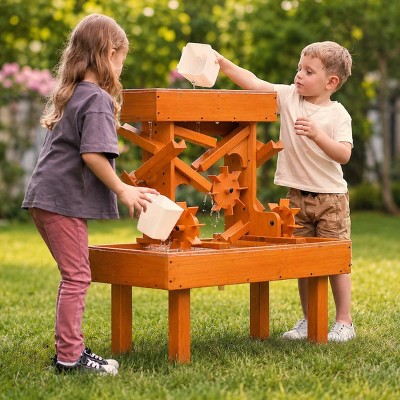
Water sensory toys support a variety of actions, including scooping and pouring, suction‑cup waterfalls or chain reactions, spinning wheels and funnels, dropping balls down spirals, magnetic fishing or bobbing, squirting/squeezing toys, and pool dive toys that glide underwater.
Pack sizes vary widely — from single-piece items to multi-piece sets. Example counts in listings include sets of 4, 5, and 8 pieces. Always check the product listing for the exact number of pieces included.
Many bath and water toys are designed to float or bob, while some can squirt when squeezed. Separate pool dive toys are built to glide underwater — some listings note dive distances (for example, up to 20 feet). Check the product description to confirm whether a toy is intended to float, sink, or dive.