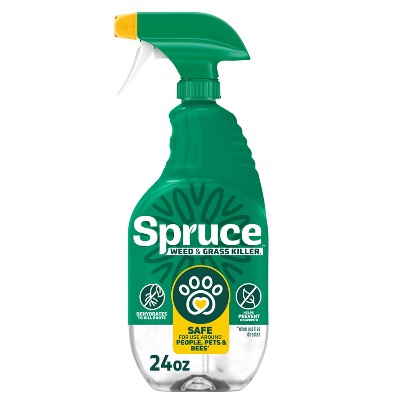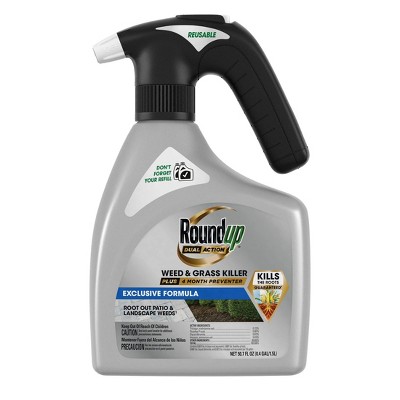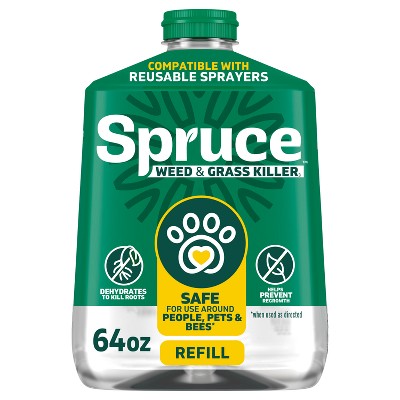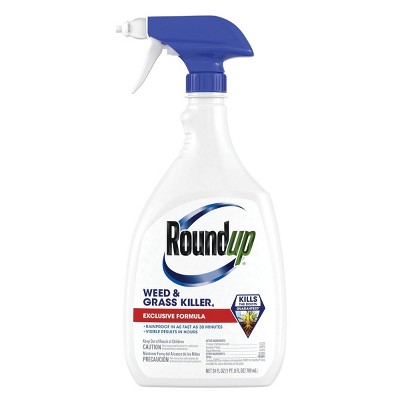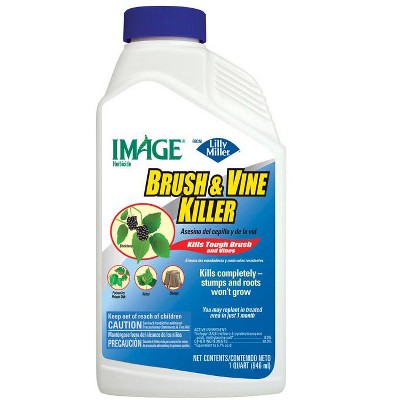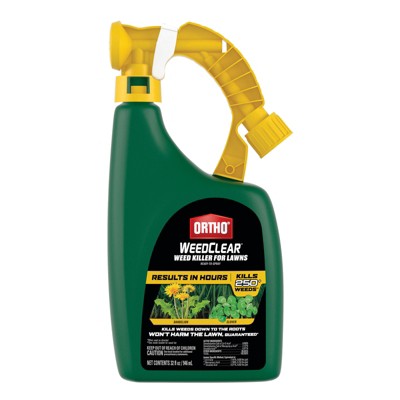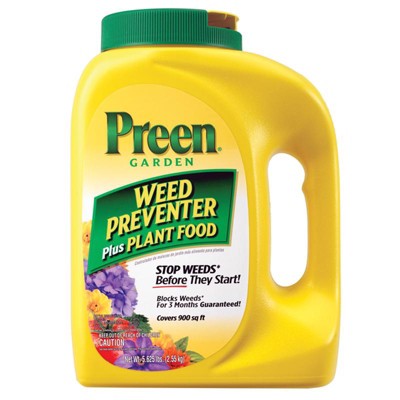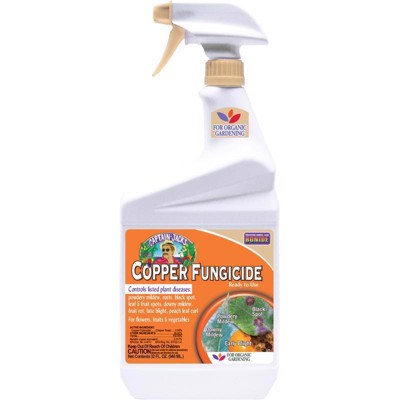

weed killer
Guests also ask:
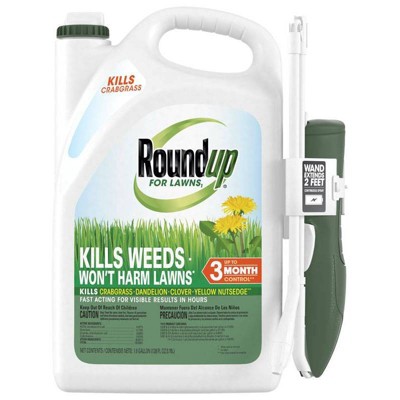
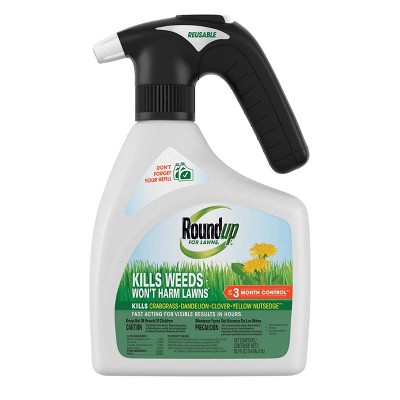
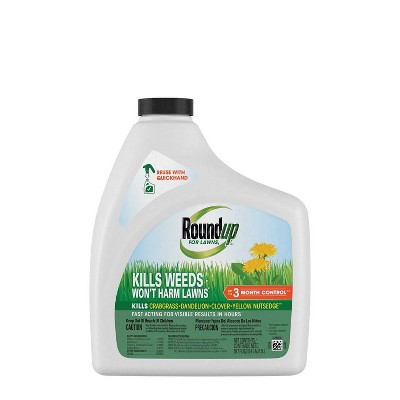
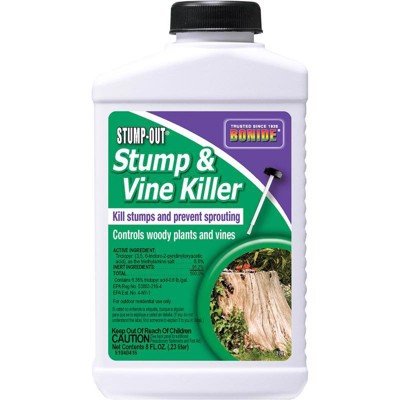
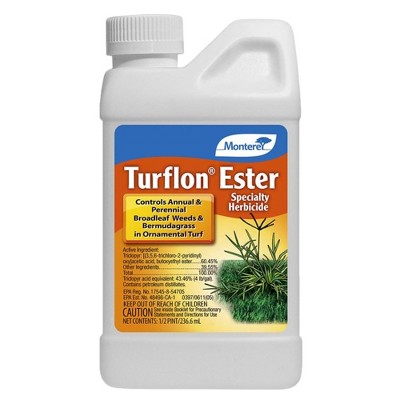
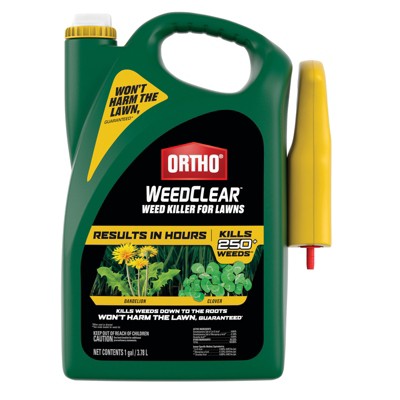
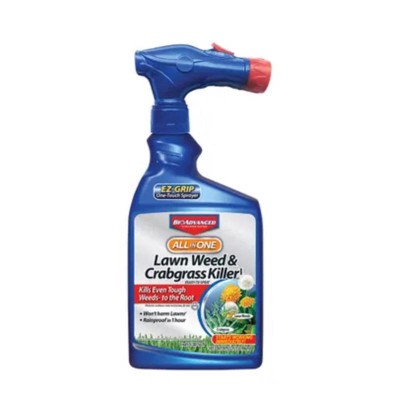
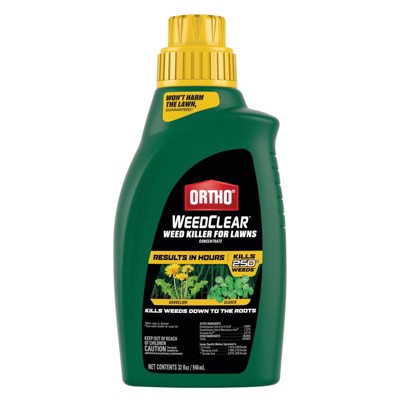
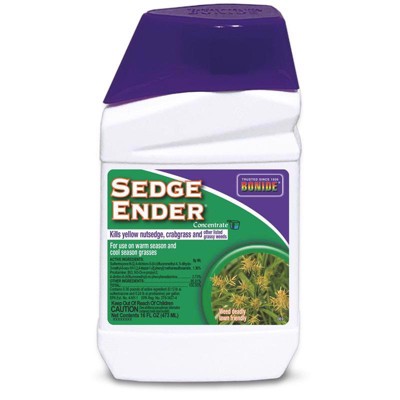
They target a wide range of broadleaf and grassy weeds—examples include dandelion, clover, chickweed, knotweed, plantain, and crabgrass. Some formulas also list control of moss, algae, and lichens.
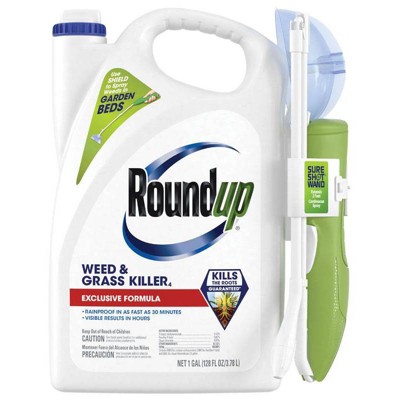
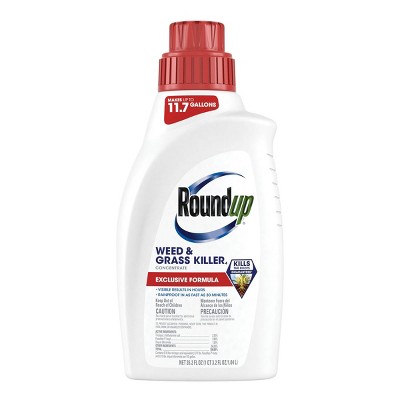
Visible results vary by formula: some listings report effects as fast as about 20 minutes, many show visible damage within an hour, and others take several hours (up to around 6 hours) to appear.
Coverage varies widely by product. Some ready-to-spray bottles list coverage in square feet (examples include approximately 300, 1,500, and 7,500 sq ft), while some refills are measured by weed count (one 64 oz refill is listed as treating up to about 400 weeds).
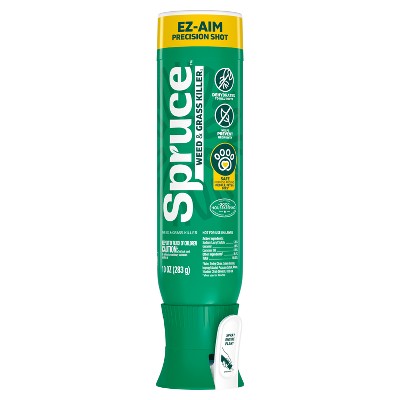
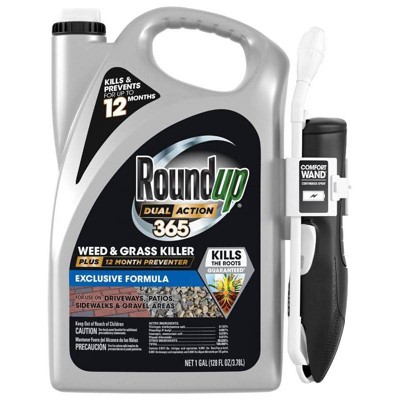
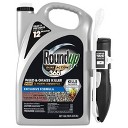
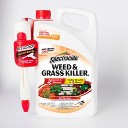
Most are applied as sprays. Common delivery tools include hand spray bottles, hose-attached sprayers, battery-powered wands, and quick-connect sprayer systems for targeted or continuous spraying.
Labels commonly advise applying during warm, sunny weather. Multiple listings specify applying when temperatures are above about 60°F, and at least one product suggests an optimal range around 60–85°F.
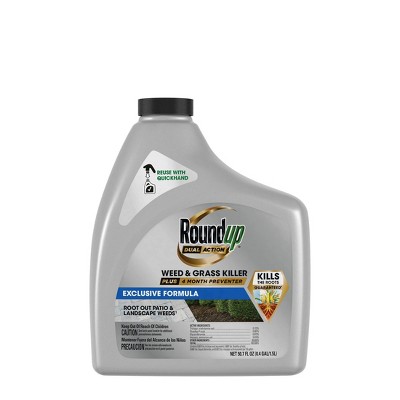
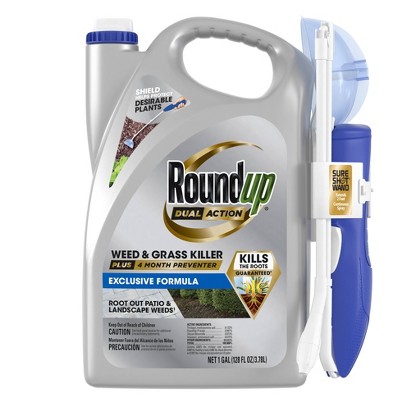
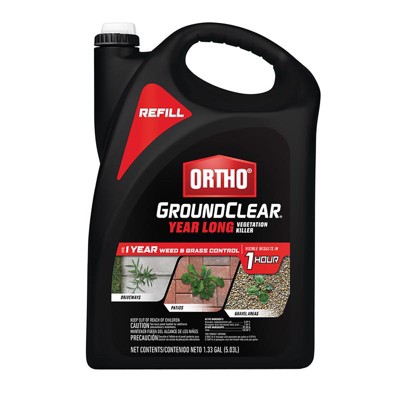
Prevention varies by formula. Some products advertise residual control measured in weeks or months—examples in listings include durations of about 1 month, 12 weeks, and up to 4 months for a preventer formula.
Replanting guidance varies by product: some allow replanting after about 1 day, others recommend waiting around 5 days, and at least one preventer formula specifies waiting about 4 months before planting certain ornamentals.
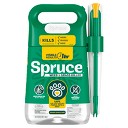
Listings include organic or plant-based options such as OMRI-listed herbicidal soap formulas and sprays made from water, essential oils, and a surfactant that are described as plant-based and free of synthetic chemicals.