Target New ArrivalsGift Ideas for DadClothing, Shoes & AccessoriesHome & DecorKitchen & DiningOutdoor Living & GardenGroceryHousehold EssentialsBabyBeautyPersonal CareSports & OutdoorsHealthWellnessLuggageSchool & Office SuppliesToysElectronicsVideo GamesMovies, Music & BooksParty SuppliesGift IdeasGift CardsPetsUlta Beauty at TargetShop by CommunityTarget OpticalDealsClearanceNew ArrivalsGift Ideas for DadBack to SchoolCollegeTop DealsTarget Circle DealsWeekly AdShop Order PickupShop Same Day DeliveryRegistryRedCardTarget CircleFind Stores
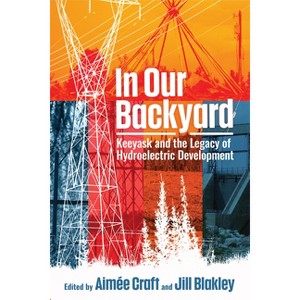
In Our Backyard - by  Aimée Craft & Jill Blakley (Paperback) - 1 of 1

In Our Backyard - by Aimée Craft & Jill Blakley (Paperback)

$25.99Save $5.96 (19% off)

In Stock

Free & easy returns

Free & easy returns

Return this item by mail or in store within 90 days for a full refund.
Eligible for registries and wish lists

About this item

Highlights

  • Beginning with the Grand Rapids Dam in the 1960s, hydroelectric development has dramatically altered the social, political, and physical landscape of northern Manitoba.
  • Author(s): Aimée Craft & Jill Blakley
  • 440 Pages
  • Social Science,

Description


About the Book


In Our Backyard tells the story of the Keeyask dam and accompanying development on the Nelson River from the perspective of Indigenous peoples, academics, scientists, and regulators.


Book Synopsis


Beginning with the Grand Rapids Dam in the 1960s, hydroelectric development has dramatically altered the social, political, and physical landscape of northern Manitoba. The Nelson River has been cut up into segments and fractured by a string of dams, for which the Churchill River had to be diverted and new inflow points from Lake Winnipeg created to manage their capacity. Historic mighty rapids have shrivelled into dry river beds. Manitoba Hydro's Keeyask dam and generating station will expand the existing network of 15 dams and 13,800 km of transmission lines.

In Our Backyard tells the story of the Keeyask dam and accompanying development on the Nelson River from the perspective of Indigenous peoples, academics, scientists, and regulators. It builds on the rich environmental and economic evaluations documented in the Clean Environment Commission's public hearings on Keeyask in 2012. It amplifies Indigenous voices that environmental assessment and regulatory processes have often failed to incorporate and provides a basis for ongoing decision-making and scholarship relating to Keeyask and resource development more generally. It considers cumulative, regional, and strategic impact assessments; Indigenous worldviews and laws within the regulatory and decision-making process; the economics of development; models for monitoring and management; consideration of affected species; and cultural and social impacts.

With a provincial and federal regulatory regime that is struggling with important questions around the balance between development and sustainability, and in light of the inherent rights of Indigenous people to land, livelihoods, and self-determination, In Our Backyard offers critical reflections that highlight the need for purposeful dialogue, principled decision making, and a better legacy of northern development in the future.


Review Quotes


"There are certainly a number of valuable lessons learned for future development in northern Manitoba, but the depth and breadth of analysis will be useful to a number of audiences beyond this region, including academics, practitioners, and Indigenous populations. Interspersed [throughout the book] are quotes from Indigenous communities on the substantial and detrimental effect the Keeyask project would have on their way of life. These quotes are powerful and ground the text in an Indigenous perspective."

--Christopher M. Page "American Indian Culture and Research Journal"

"A particular strength of the book is the weaving of stories, testimony, and voices of the community members of Turtle Island, and the sharp contrast that is presented between Indigenous world views and Western and Eurocentric views towards land and water exploitation and development."--Charlene Victoria Monaco "Canadian Geographer"

"These stories are powerful illuminations of expansive and relationship-based ways of knowing and being. This anthology compellingly illustrates that such philosophies and praxes of interconnection and accountability must animate decisions about the waterways upon which our lives and futures depend."--Caroline Fidan Tyler Doenmez "Open Rivers"

"In Our Backyard illuminates the gaps between the rhetoric and realities of the approval process...and provides an important snapshot well informed by the history of hydro development in Manitoba of Indigenous/settler relations as they occur within the particular context of resource development in Canada."

--Ryan Bowie "Environmental and Urban Change, York University"
Dimensions (Overall): 9.0 Inches (H) x 6.0 Inches (W) x .98 Inches (D)
Weight: 1.42 Pounds
Suggested Age: 22 Years and Up
Number of Pages: 440
Genre: Social Science
Publisher: University of Manitoba Press
Format: Paperback
Author: Aimée Craft & Jill Blakley
Language: English
Street Date: April 29, 2022
TCIN: 1011767217
UPC: 9780887552885
Item Number (DPCI): 247-20-8104
Origin: Made in the USA or Imported
If the item details aren’t accurate or complete, we want to know about it.

Shipping details

Estimated ship dimensions: 0.98 inches length x 6 inches width x 9 inches height
Estimated ship weight: 1.42 pounds
We regret that this item cannot be shipped to PO Boxes.
This item cannot be shipped to the following locations: American Samoa (see also separate entry under AS), Guam (see also separate entry under GU), Northern Mariana Islands, Puerto Rico (see also separate entry under PR), United States Minor Outlying Islands, Virgin Islands, U.S., APO/FPO, Alaska, Hawaii

Return details

This item can be returned to any Target store or Target.com.
This item must be returned within 90 days of the date it was purchased in store, delivered to the guest, delivered by a Shipt shopper, or picked up by the guest.
See the return policy for complete information.

Q: What themes are explored in the book?

submitted by AI Shopping Assistant - 3 days ago
  • A: Themes include Indigenous perspectives, environmental assessments, and the socio-political impacts of hydroelectric projects.

    submitted byAI Shopping Assistant - 3 days ago
    Ai generated

Q: How does the book incorporate Indigenous voices?

submitted by AI Shopping Assistant - 3 days ago
  • A: It amplifies Indigenous perspectives often overlooked in environmental assessments and regulatory processes.

    submitted byAI Shopping Assistant - 3 days ago
    Ai generated

Q: Who are the authors of this book?

submitted by AI Shopping Assistant - 3 days ago
  • A: The book is authored by Aime Craft and Jill Blakley, both of whom contribute unique perspectives.

    submitted byAI Shopping Assistant - 3 days ago
    Ai generated

Q: What is the main focus of the book?

submitted by AI Shopping Assistant - 3 days ago
  • A: The book focuses on the impact of hydroelectric development on Indigenous peoples and the environment in northern Manitoba.

    submitted byAI Shopping Assistant - 3 days ago
    Ai generated

Q: What type of audience is this book intended for?

submitted by AI Shopping Assistant - 3 days ago
  • A: The book is intended for academics, practitioners, and Indigenous communities interested in resource development.

    submitted byAI Shopping Assistant - 3 days ago
    Ai generated

Additional product information and recommendations

Discover more options

Get top deals, latest trends, and more.

Privacy policy