Target New ArrivalsGift Ideas for DadClothing, Shoes & AccessoriesHome & DecorKitchen & DiningOutdoor Living & GardenGroceryHousehold EssentialsBabyBeautyPersonal CareSports & OutdoorsHealthWellnessLuggageSchool & Office SuppliesToysElectronicsVideo GamesMovies, Music & BooksParty SuppliesGift IdeasGift CardsPetsUlta Beauty at TargetShop by CommunityTarget OpticalDealsClearanceNew ArrivalsGift Ideas for DadBack to SchoolCollegeTop DealsTarget Circle DealsWeekly AdShop Order PickupShop Same Day DeliveryRegistryRedCardTarget CircleFind Stores
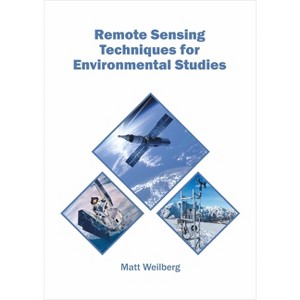
Remote Sensing Techniques for Environmental Studies - by  Matt Weilberg (Hardcover) - 1 of 1

Remote Sensing Techniques for Environmental Studies - by Matt Weilberg (Hardcover)

$146.99

In Stock

Free & easy returns

Free & easy returns

Return this item by mail or in store within 90 days for a full refund.
Eligible for registries and wish lists

About this item

Highlights

  • Remote sensing techniques are used in acquisition of real-time data from all accessible and inaccessible locations mapped over time and space.
  • Author(s): Matt Weilberg
  • 214 Pages
  • Science, Environmental Science

Description


About the Book


Remote sensing techniques are used in acquisition of real-time data from all accessible and inaccessible locations mapped over time and space. The use of remote sensing technology for the topographical mapping of wildlife populations, natural resources, vulnerable ecosystems and pollution provides valuable data for environmental management and monitoring. Remote sensing has also been incorporated in the study of fields like forestry, climatology, glaciology, hydrology and geology. This book explores the applications of remote sensing in environmental studies and conservation efforts. It also presents the effective techniques of incorporating sensor data to make the studies more relevant and informative. It will benefit researchers and students alike.


Book Synopsis


Remote sensing techniques are used in acquisition of real-time data from all accessible and inaccessible locations mapped over time and space. The use of remote sensing technology for the topographical mapping of wildlife populations, natural resources, vulnerable ecosystems and pollution provides valuable data for environmental management and monitoring. Remote sensing has also been incorporated in the study of fields like forestry, climatology, glaciology, hydrology and geology. This book explores the applications of remote sensing in environmental studies and conservation efforts. It also presents the effective techniques of incorporating sensor data to make the studies more relevant and informative. It will benefit researchers and students alike.
Dimensions (Overall): 10.88 Inches (H) x 8.0 Inches (W) x .56 Inches (D)
Weight: 1.63 Pounds
Suggested Age: 22 Years and Up
Number of Pages: 214
Genre: Science
Sub-Genre: Environmental Science
Publisher: Syrawood Publishing House
Format: Hardcover
Author: Matt Weilberg
Language: English
Street Date: June 3, 2019
TCIN: 1011958463
UPC: 9781682866924
Item Number (DPCI): 247-45-1137
Origin: Made in the USA or Imported
If the item details aren’t accurate or complete, we want to know about it.

Shipping details

Estimated ship dimensions: 0.56 inches length x 8 inches width x 10.88 inches height
Estimated ship weight: 1.63 pounds
We regret that this item cannot be shipped to PO Boxes.

Return details

This item can be returned to any Target store or Target.com.
This item must be returned within 90 days of the date it was purchased in store, delivered to the guest, delivered by a Shipt shopper, or picked up by the guest.
See the return policy for complete information.

Q: Who would find this book useful?

submitted by AI Shopping Assistant - 2 days ago
  • A: Researchers and students interested in environmental studies and conservation efforts would find this book beneficial.

    submitted byAI Shopping Assistant - 2 days ago
    Ai generated

Q: What topics are covered in this book?

submitted by AI Shopping Assistant - 2 days ago
  • A: The book covers remote sensing applications in wildlife mapping, natural resources, ecosystems, pollution, and various environmental science fields.

    submitted byAI Shopping Assistant - 2 days ago
    Ai generated

Q: Who is the author of this book?

submitted by AI Shopping Assistant - 2 days ago
  • A: The author of the book is Matt Weilberg.

    submitted byAI Shopping Assistant - 2 days ago
    Ai generated

Q: What is the primary focus of remote sensing techniques?

submitted by AI Shopping Assistant - 2 days ago
  • A: The primary focus is on acquiring real-time data from various locations for environmental management and monitoring.

    submitted byAI Shopping Assistant - 2 days ago
    Ai generated

Q: What fields benefit from remote sensing technology?

submitted by AI Shopping Assistant - 2 days ago
  • A: Fields such as forestry, climatology, glaciology, hydrology, and geology benefit from remote sensing technology.

    submitted byAI Shopping Assistant - 2 days ago
    Ai generated

Additional product information and recommendations

Discover more options

Get top deals, latest trends, and more.

Privacy policy