Target New ArrivalsBack to SchoolCollegeHalloweenClothing, Shoes & AccessoriesHome & DecorKitchen & DiningOutdoor Living & GardenGroceryHousehold EssentialsBabyBeautyPersonal CareSports & OutdoorsPetsHealthWellnessSchool & Office SuppliesToys & GamesElectronics & TechVideo GamesMovies, Music & BooksParty SuppliesGift IdeasGift CardsShop by CommunityTarget OpticalDealsClearanceNew ArrivalsBack to SchoolCollegeTop DealsTarget Circle DealsWeekly AdShop Order PickupShop Same Day DeliveryRegistryRedCardTarget CircleFind Stores
Powered by AI

Guests also ask:

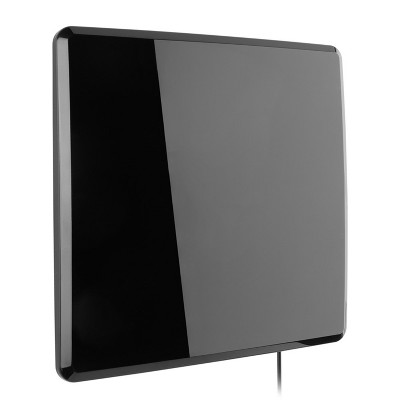
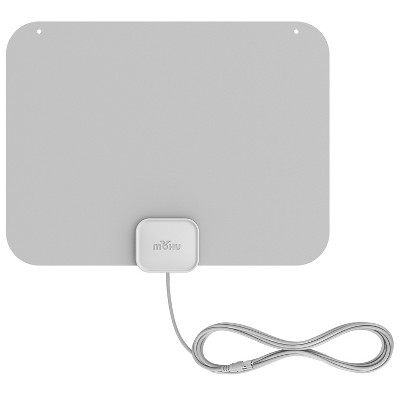
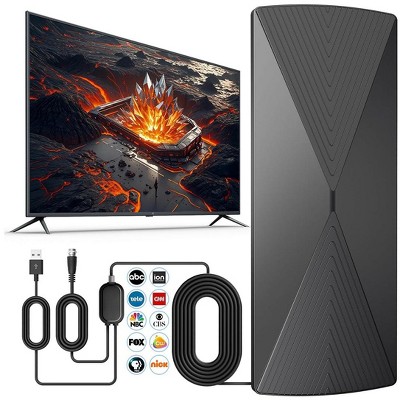
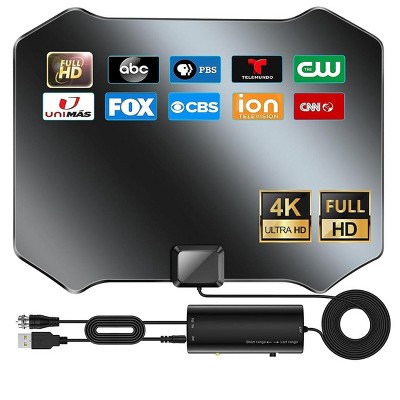
Amplified models typically add an integrated or detachable amplifier to boost signal, include power inputs (AC/DC adapters or USB power injectors), and incorporate noise-reduction components such as 4G/5G LTE interference filters to help improve picture quality.

Reception depends strongly on placement and surroundings: distance and bearing to broadcast towers, trees, nearby buildings and construction materials, and the antenna’s height and orientation all affect signal strength and channel pickup. Small changes in placement or aiming often yield noticeable differences in reception.
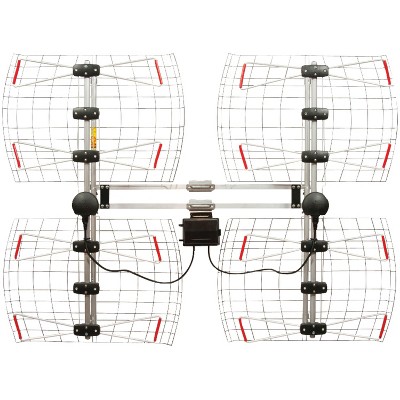
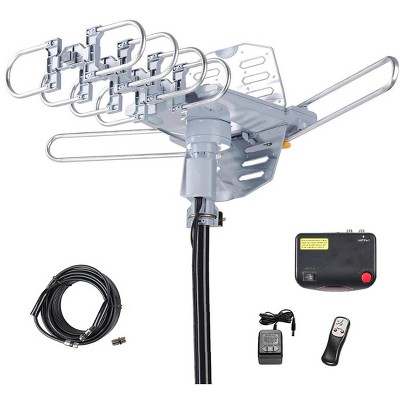
Amplified models often incorporate noise-filtering circuitry and built-in 4G/5G LTE filters to reduce cell-phone and broadband interference and improve picture clarity.

Signal meters or LED finders indicate relative signal strength so you can aim or reposition the antenna for the best reception. They speed setup by giving immediate feedback when you change orientation or location.

Power options shown include AC/DC adapters with specified working voltages (for example DC 5V/550mA) and USB power injectors that can plug into a TV’s USB port to power the amplifier.

Recommendations for you

Skip to next section

Get top deals, latest trends, and more.