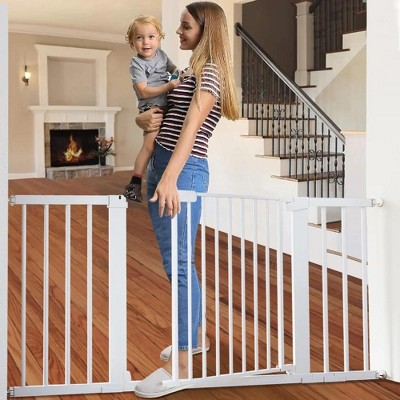
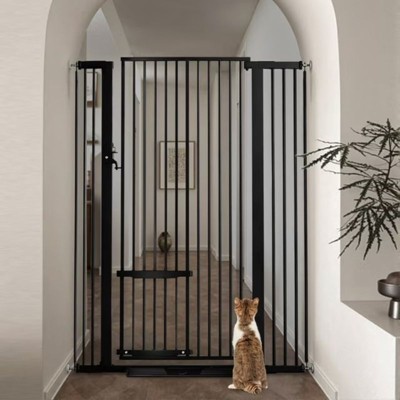
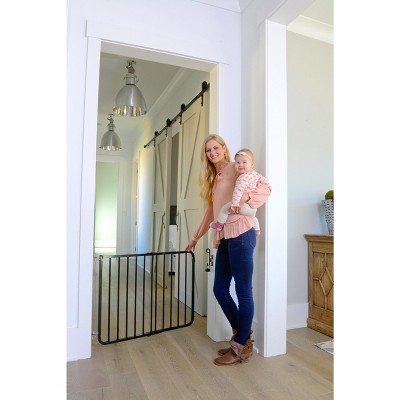
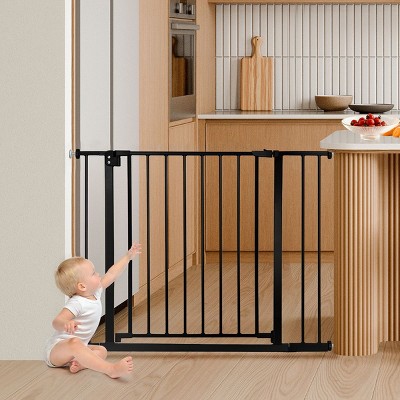
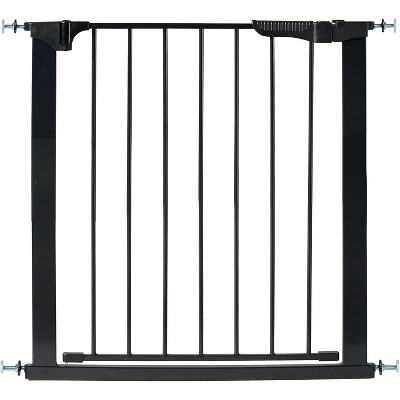
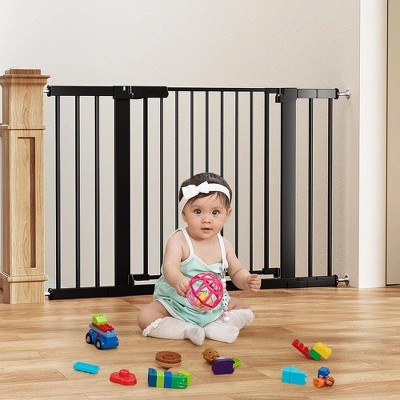
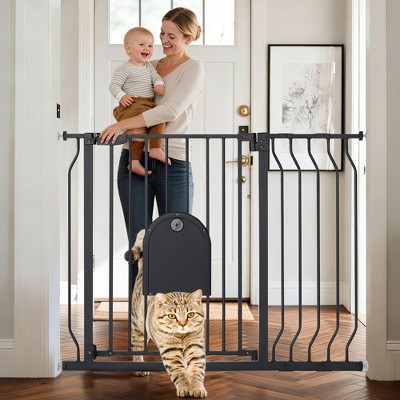
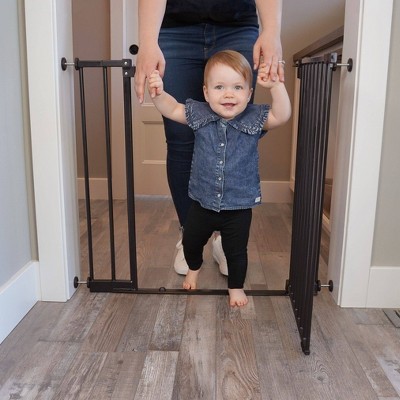
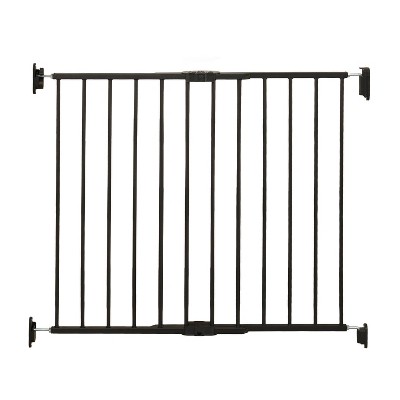
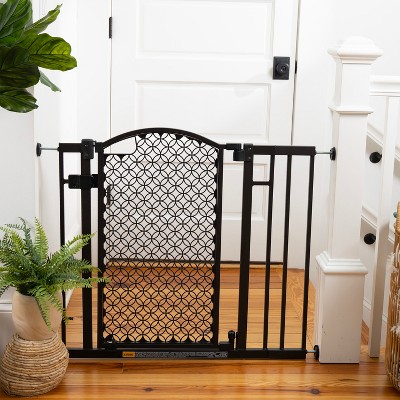
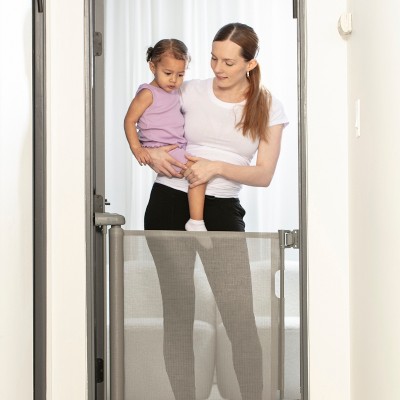
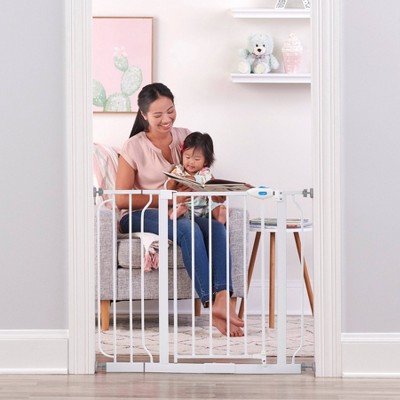
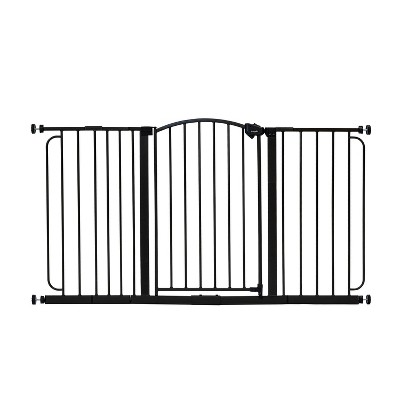
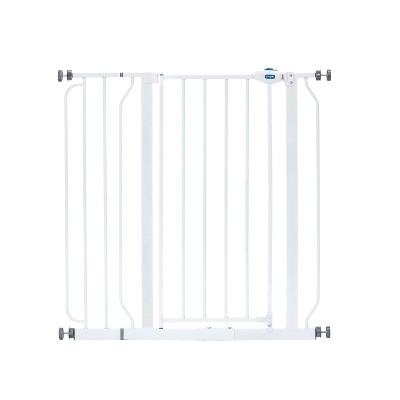
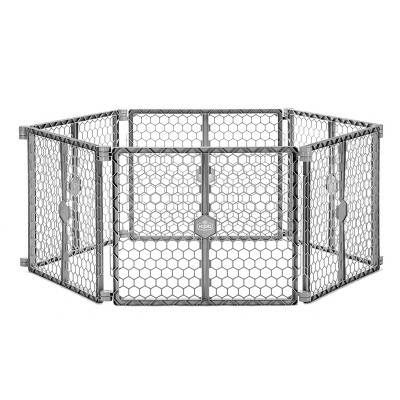
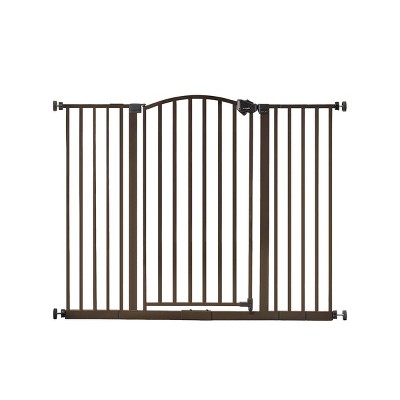
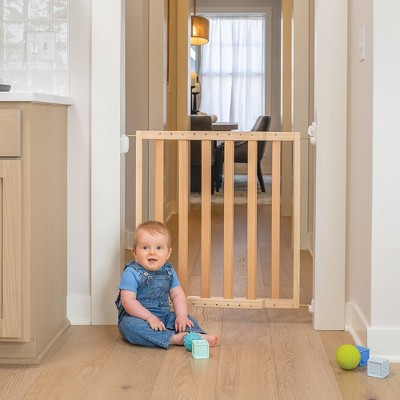
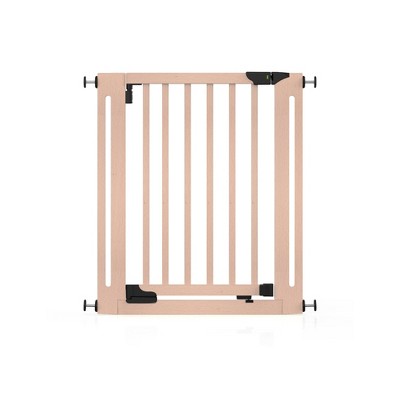
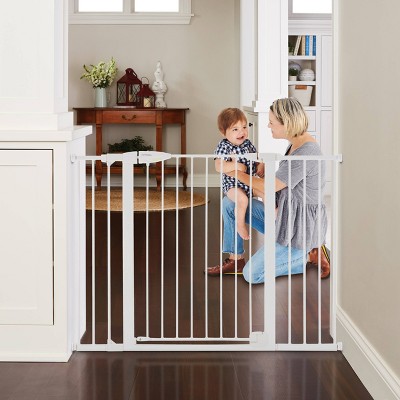
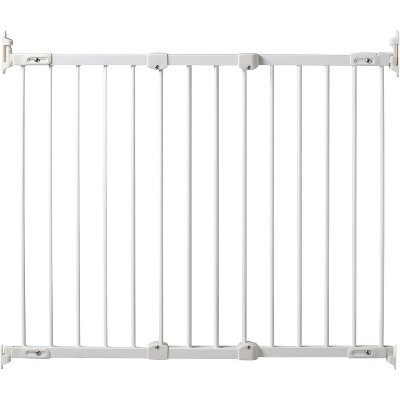
Many child gates include a walk-through door (a hinged panel that lets an adult pass without removing the whole gate). These doors are often self-closing or auto-closing, meaning they swing shut on their own, and some have a hold-open option so the door can be kept open when needed. Check the product listing to confirm which of these combinations a specific model supports.
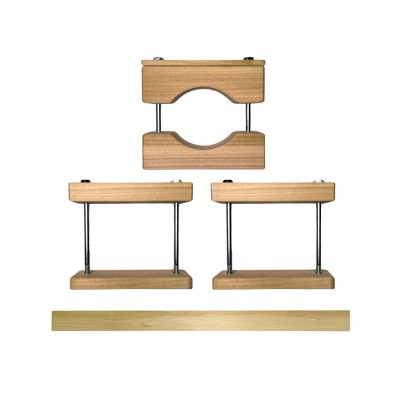
Requirements vary by model. Many listings state “Adult Assembly Required” and note whether some tools are provided or if tools are needed for hardware mounting. Pressure-mounted gates often advertise minimal or no-tool assembly, while hardware-mounted gates generally require tools and wall or banister hardware. Always read the product details to confirm included hardware and step-by-step instructions.
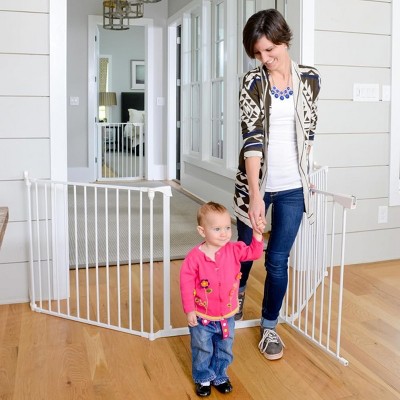
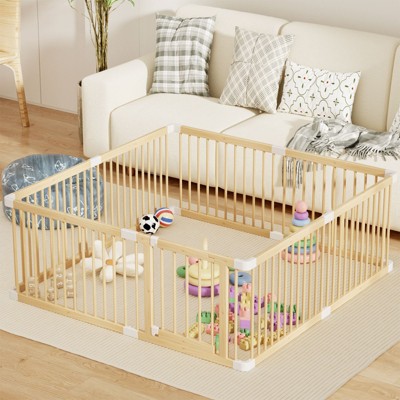
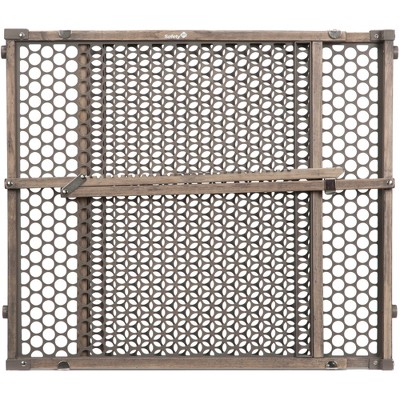
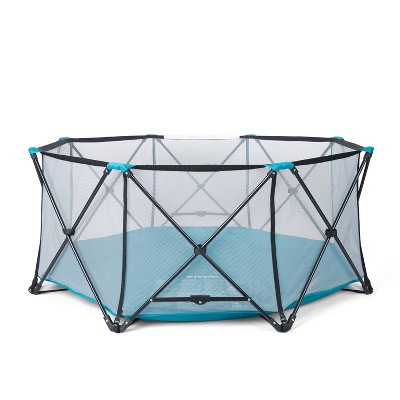
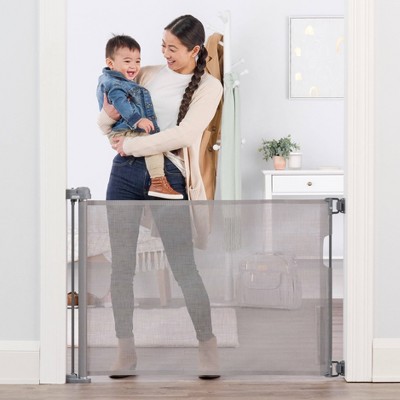
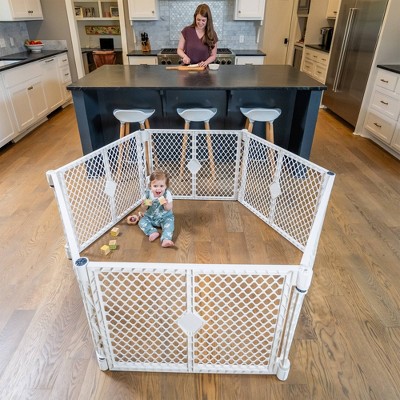
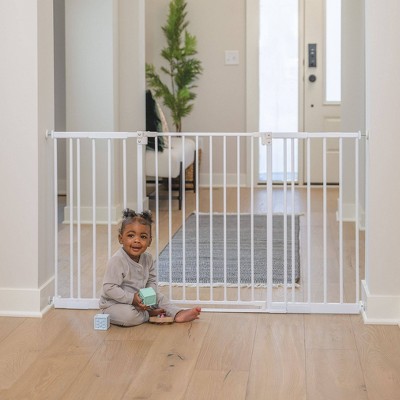
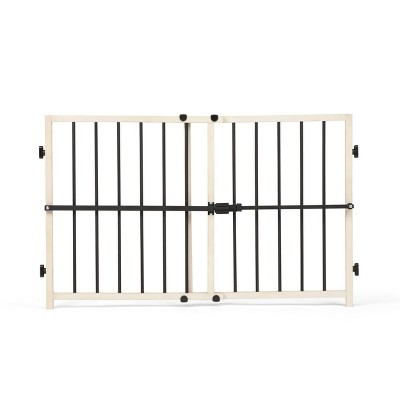
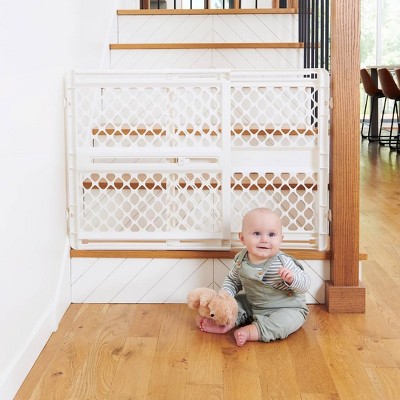
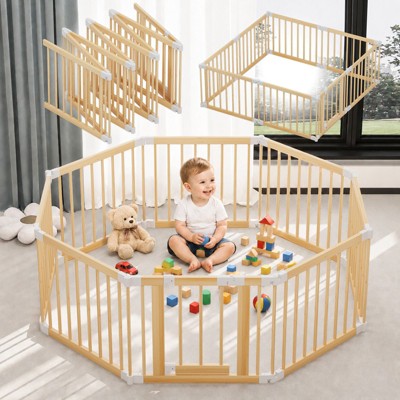
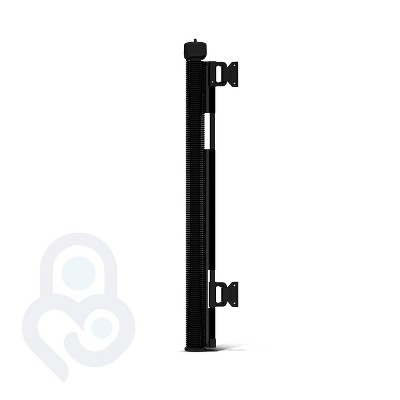
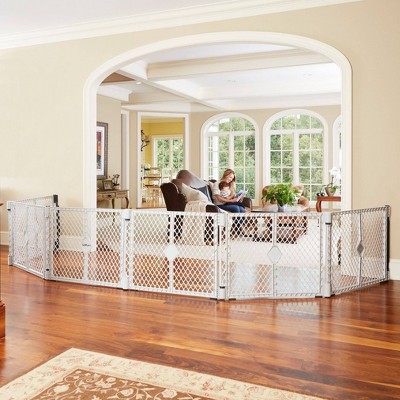
Common mounting options include freestanding play-yard panels, pressure-mounted gates that use tension to hold in doorways, and hardware-mounted gates that attach to walls or banisters. Several models offer both pressure- and hardware-mount configurations or include optional mounting hardware—check the product details to confirm.
Heights in this selection range from about 23 inches up to 38 inches. Common listed heights include 23 inches, 26 inches, 30 inches, 36 inches, and 38 inches—verify the exact height on the product page to ensure it meets your needs.
The listings commonly show metal and plastic construction; some gates combine metal frames with plastic components. Check each product description for exact material details and any weather- or UV-resistant treatments for outdoor use.
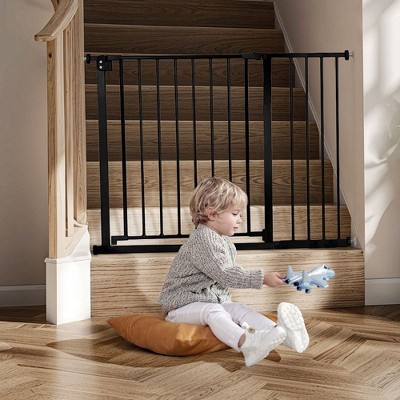
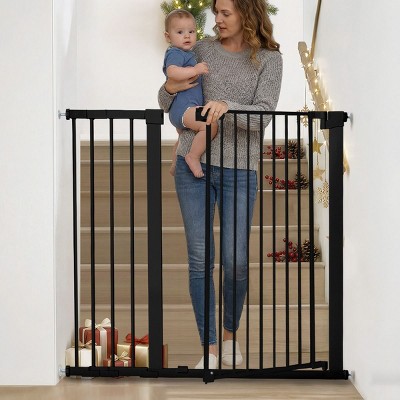
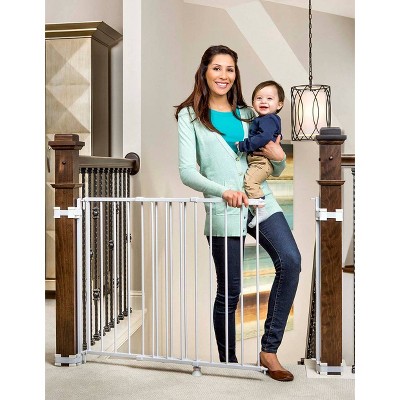
Top-of-stairs listings emphasize hardware mounting (and often include the required hardware) because fixed attachment is safer for stair use. Other highlighted features include stoppers or door designs that prevent the gate from swinging over the stairs and explicit installation guidance such as minimum mounting setback measurements—always follow the manufacturer’s stair-specific instructions.