conforming stretch bandage
221 results for “conforming stretch bandage”
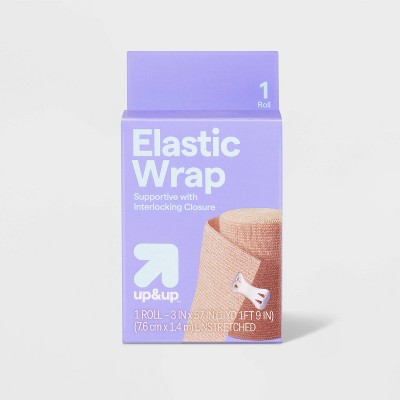
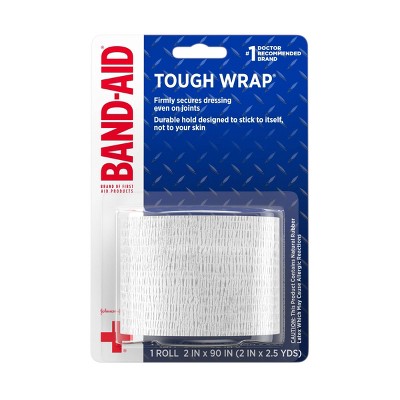
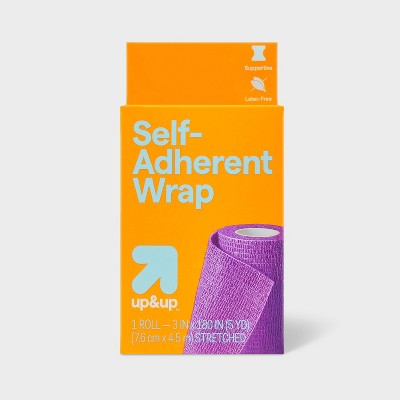
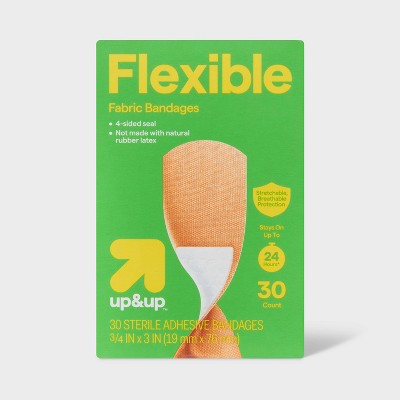
Recommendations for you
- Highly rated$3.99Free kit bag with purchase of 3 select first aid items4.7 out of 5 stars with 4593 ratings
- $5.49Free kit bag with purchase of 3 select first aid items4.6 out of 5 stars with 2280 ratings
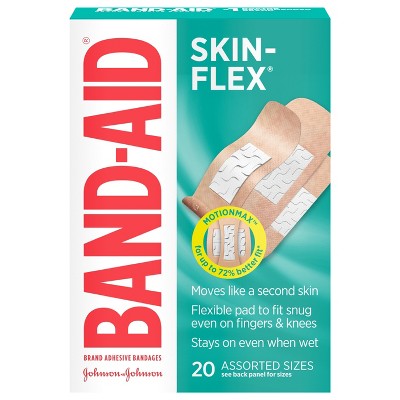
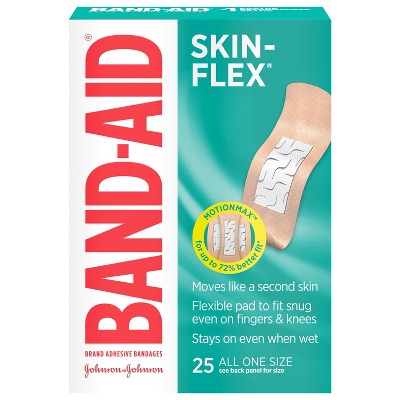
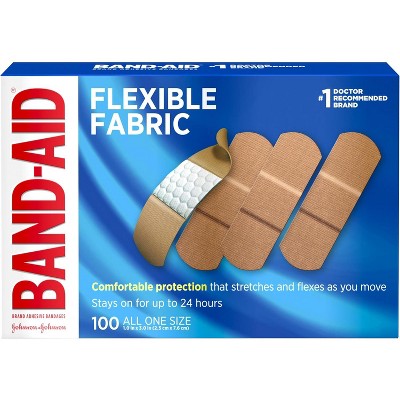
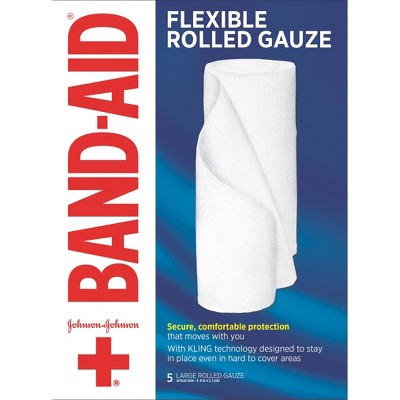
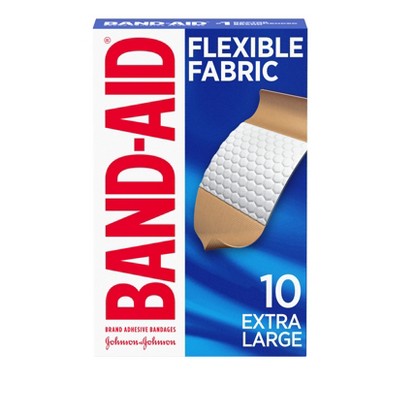
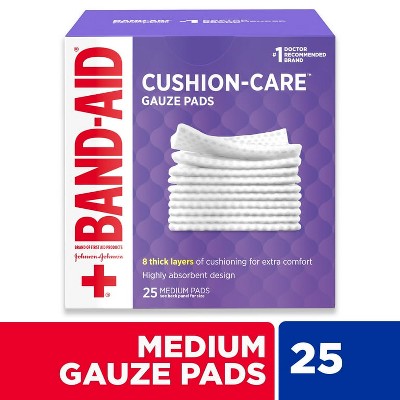
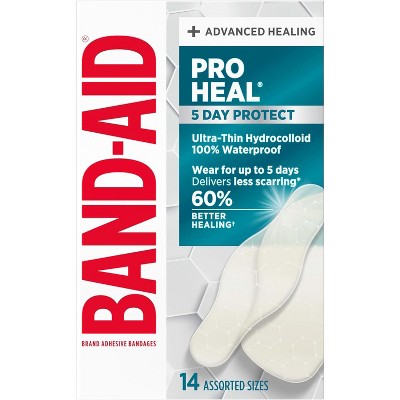
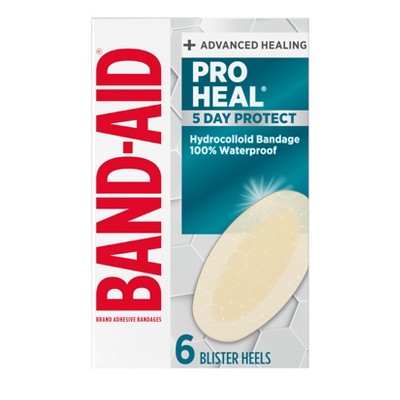
Sponsored
Related deals
- Bestseller$3.99Free kit bag with purchase of 3 select first aid items4.7 out of 5 stars with 4380 ratings
- Bestseller$8.99Free kit bag with purchase of 3 select first aid items4.7 out of 5 stars with 5389 ratings
- Highly rated$3.99Free kit bag with purchase of 3 select first aid items4.7 out of 5 stars with 4593 ratings
- Highly rated$3.99Free kit bag with purchase of 3 select first aid items4.3 out of 5 stars with 1007 ratings
- Bestseller$3.59Free kit bag with purchase of 3 select first aid items3.4 out of 5 stars with 150 ratings
- Bestseller$4.79Free kit bag with purchase of 3 select first aid items4.2 out of 5 stars with 191 ratings
- Highly rated$2.59Free kit bag with purchase of 3 select first aid items4.4 out of 5 stars with 93 ratings
- $3.99Free kit bag with purchase of 3 select first aid items4.5 out of 5 stars with 1747 ratings
- $2.99Free kit bag with purchase of 3 select first aid items4.5 out of 5 stars with 343 ratings
- Highly rated$3.99Free kit bag with purchase of 3 select first aid items4.7 out of 5 stars with 136 ratings
- $3.79Free kit bag with purchase of 3 select first aid items4.8 out of 5 stars with 528 ratings
- $5.49Free kit bag with purchase of 3 select first aid items4.6 out of 5 stars with 2280 ratings
- Highly rated$3.99Free kit bag with purchase of 3 select first aid items4.7 out of 5 stars with 5105 ratings
- Highly rated$2.69Free kit bag with purchase of 3 select first aid items4.3 out of 5 stars with 80 ratings
- $3.99Free kit bag with purchase of 3 select first aid items4.6 out of 5 stars with 49 ratings
- Highly rated$3.99Free kit bag with purchase of 3 select first aid items4.7 out of 5 stars with 470 ratings
- Bestseller$6.89Free kit bag with purchase of 3 select first aid items4.7 out of 5 stars with 293 ratings
- Highly rated$2.99Free kit bag with purchase of 3 select first aid items4.6 out of 5 stars with 1336 ratings
- Highly rated$6.29Free kit bag with purchase of 3 select first aid items4.9 out of 5 stars with 255 ratings
- Highly rated$6.49Free kit bag with purchase of 3 select first aid items4.7 out of 5 stars with 417 ratings
- Highly rated$6.29Free kit bag with purchase of 3 select first aid items4.6 out of 5 stars with 1316 ratings
- $8.99Free kit bag with purchase of 3 select first aid items4.4 out of 5 stars with 1259 ratings
- $4.29Free kit bag with purchase of 3 select first aid items4.4 out of 5 stars with 382 ratings
- Highly rated$3.99Free kit bag with purchase of 3 select first aid items4.6 out of 5 stars with 356 ratings
Sponsored
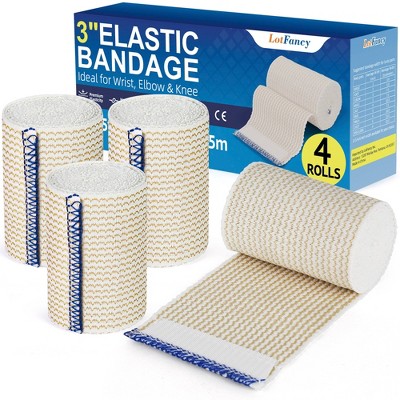
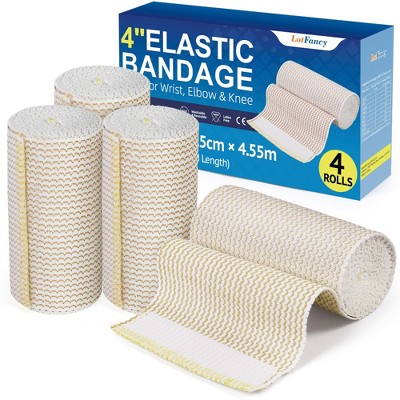
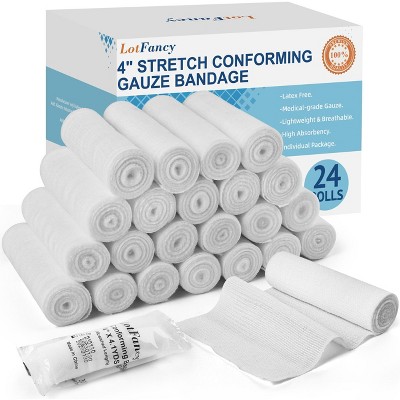

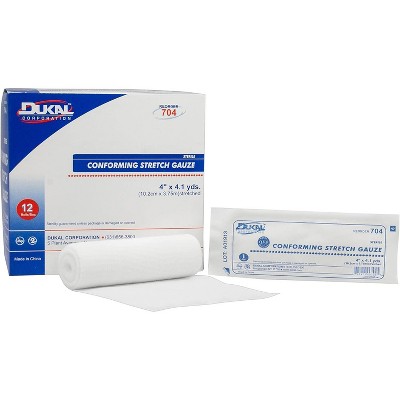
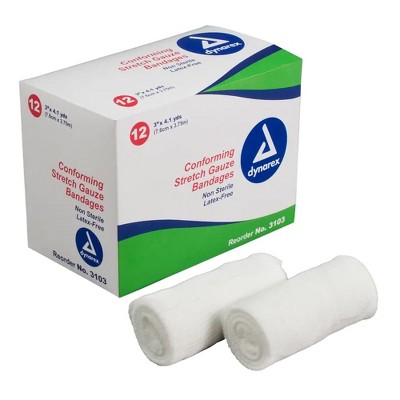
Sponsored
Powered by AI
Guests also ask:
Related searches
- stretch bandage
- surgical bandage
- upper arm elastic bandage
- bandaids
- tubular bandage
- wound bandage
- brown bandage
- bandaid flexible
- saniderm bandages
- curad bandage
- large bandaid
- curity bandages
- white bandage
- nexcare waterproof bandages
- black ace bandage
- knuckle bandage
- tube bandage
- bandaid hydrosel
- abdominal pad
- activ flex bandages