Target New ArrivalsBack to SchoolCollegeHalloweenClothing, Shoes & AccessoriesHome & DecorKitchen & DiningPatio, Lawn & GardenGroceryHousehold EssentialsBabyBeautyPersonal CareSports & OutdoorsPetsHealthWellnessSchool & Office SuppliesToys & GamesElectronics & TechVideo GamesMovies, Music & BooksParty SuppliesGift IdeasGift CardsShop by CommunityTarget OpticalDealsClearanceNew ArrivalsBack to SchoolCollegeTop DealsTarget Circle DealsWeekly AdShop Order PickupShop Same Day DeliveryRegistryRedCardTarget CircleFind Stores

ginger extract

661 results for “ginger extract”

Sponsored

Sponsored

Powered by AI

Guests also ask:

Labeling varies. Common formats include percent-standardized gingerols (example: ~20% gingerols), specific gingerol/shogaol milligram amounts per capsule (example: ~25 mg), daily extract totals (example: ~400 mg), and root-equivalent amounts reported up to about 1,500 mg per serving. Brands may use percent standardized, mg-per-capsule, or root-equivalent values to convey potency.

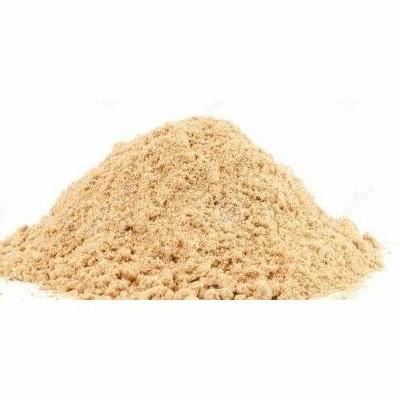
Most ginger extracts are sold as capsules. Other common formats include softgels, powders, tablets, and enteric‑coated pills.

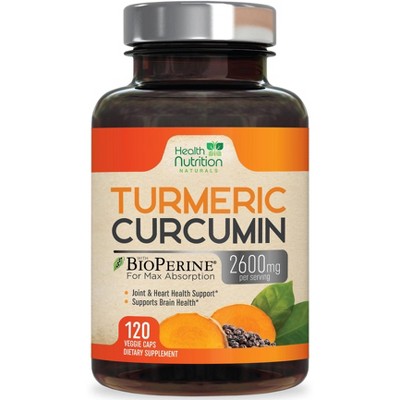
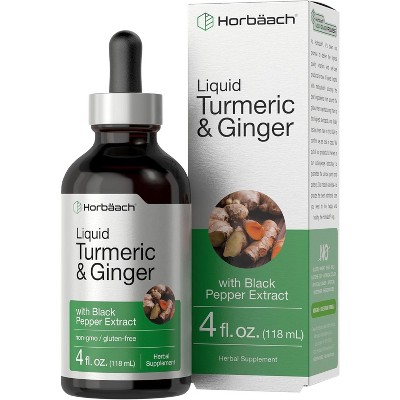
Labels commonly associate ginger extract with digestive support (helping occasional bloating, gas, nausea and smooth digestion), joint comfort or reduced stiffness, and general immune or circulatory support.

Many listings note non-GMO and gluten-free labeling, vegetarian/vegan-friendly capsules, and statements that the product does not contain major allergens or common ingredients like soy, milk, wheat or artificial flavors.

Serving instructions vary by product. Examples include taking 1 capsule per day, 2 capsules per day, or 2 capsules once or twice daily depending on the formula. Always follow the product label for exact dosing.

Get top deals, latest trends, and more.