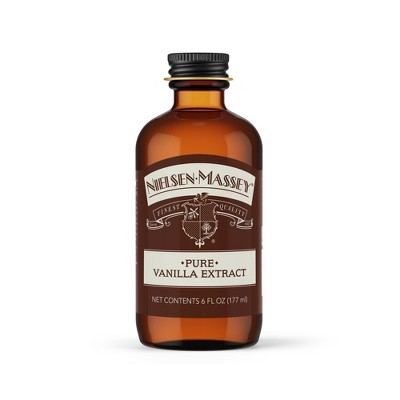
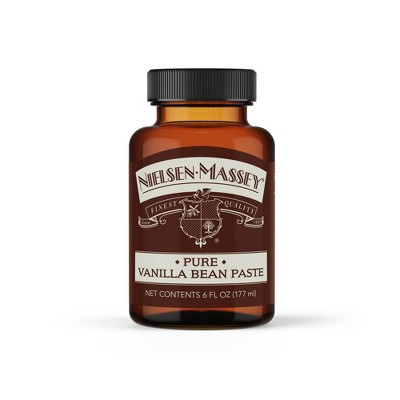
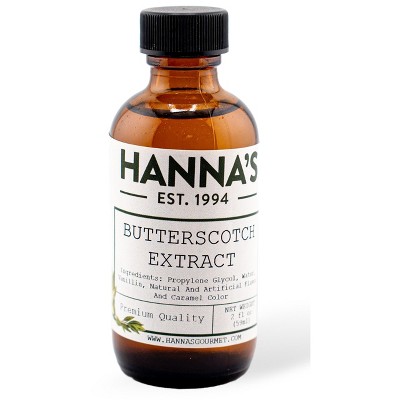
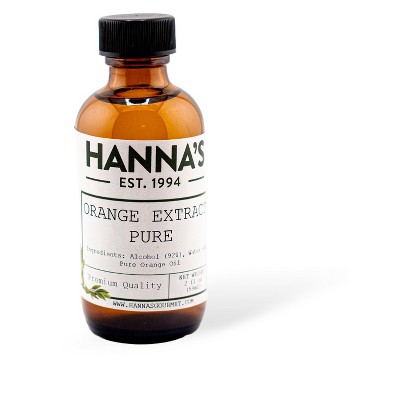
lemon extract
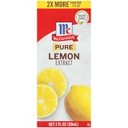
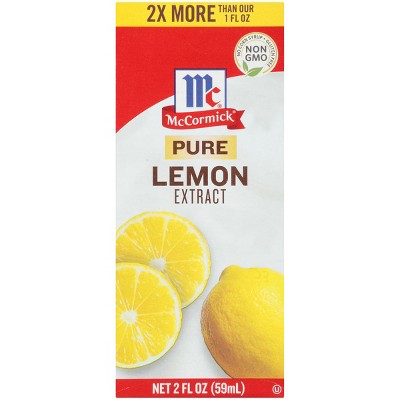
$4.89($2.45/fluid ounce)
Loved for: great flavor
SNAP EBT eligible
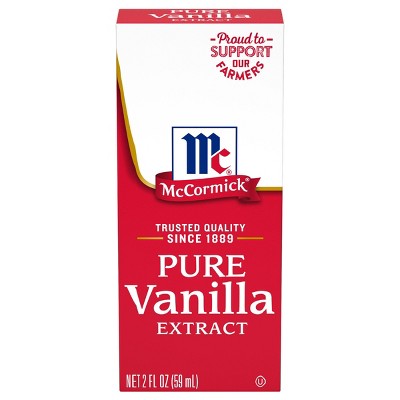
$7.79($3.90/fluid ounce)
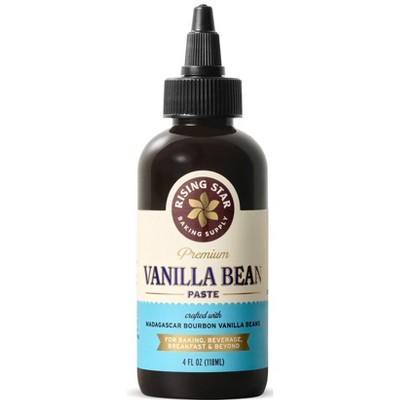
$11.29($2.82/fluid ounce)
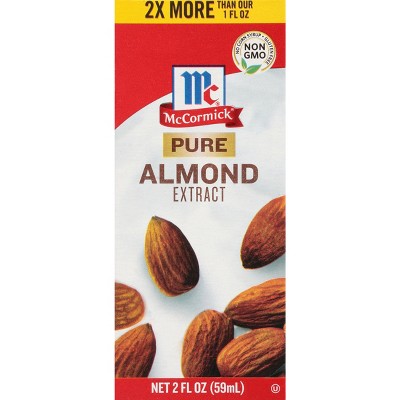
$4.89($2.45/fluid ounce)
Loved for: great flavor
SNAP EBT eligible
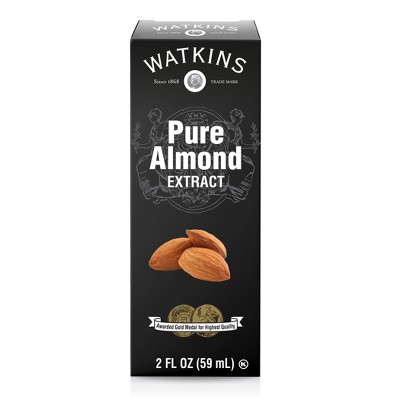
Recommendations for you
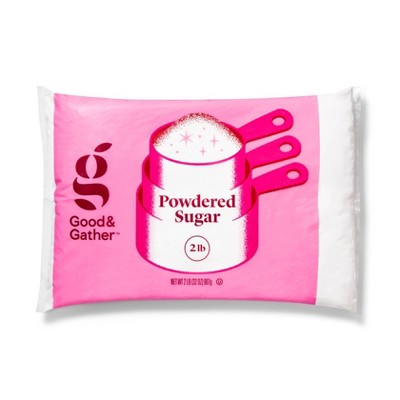
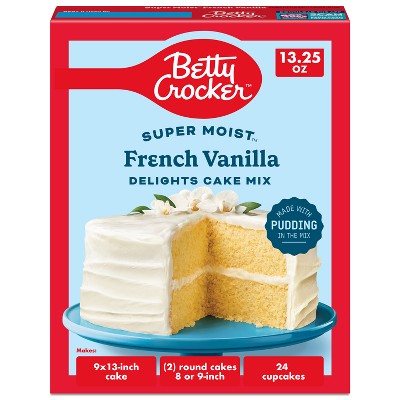
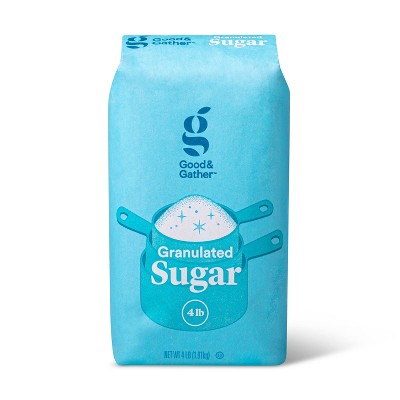
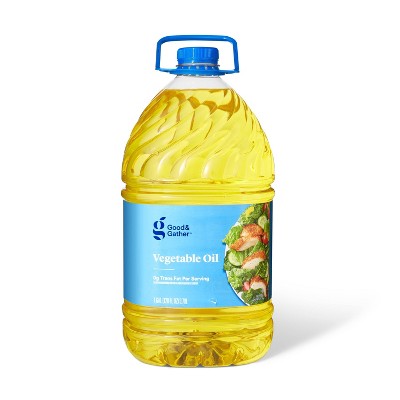
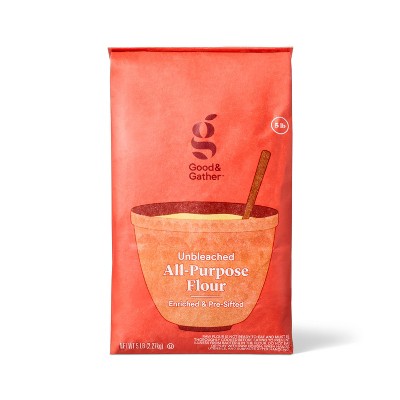
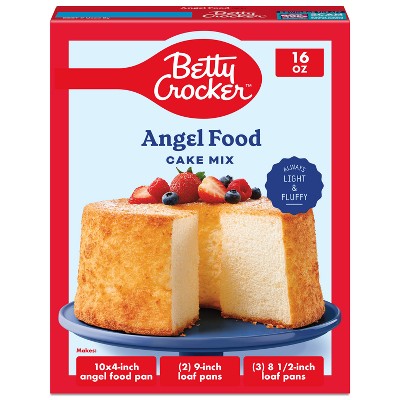
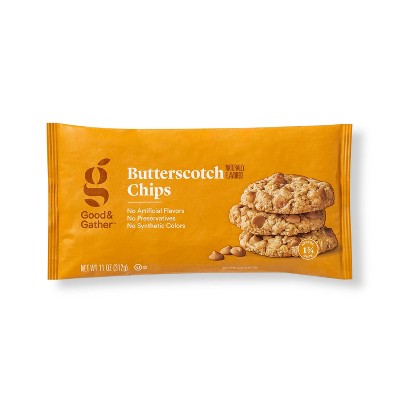
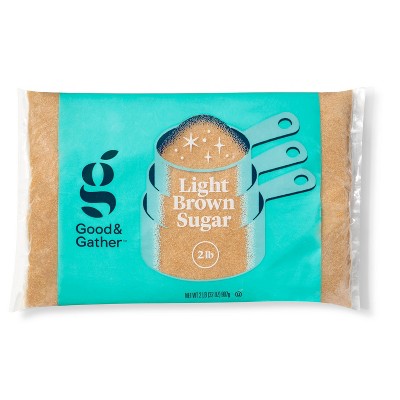
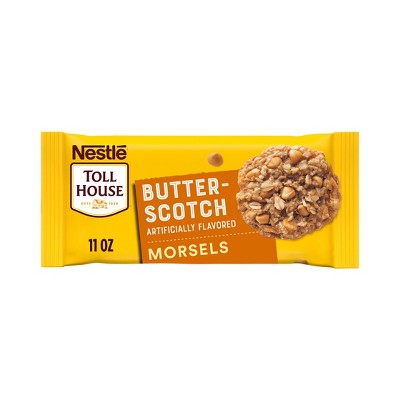

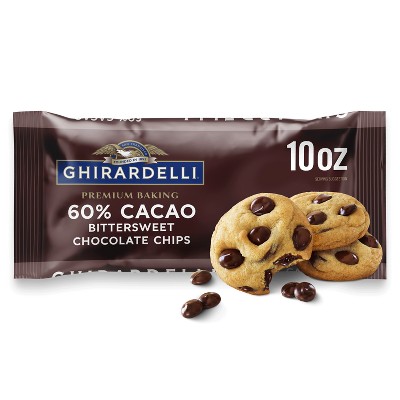
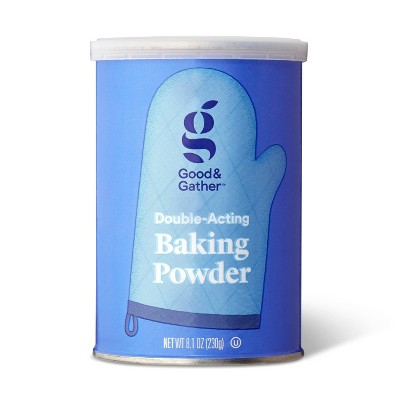
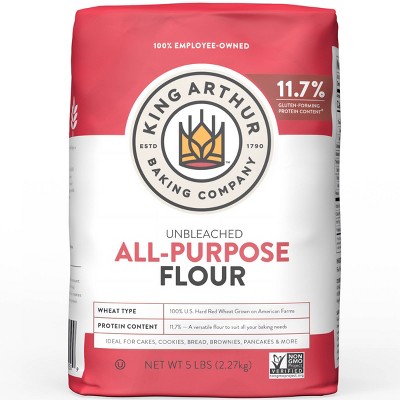
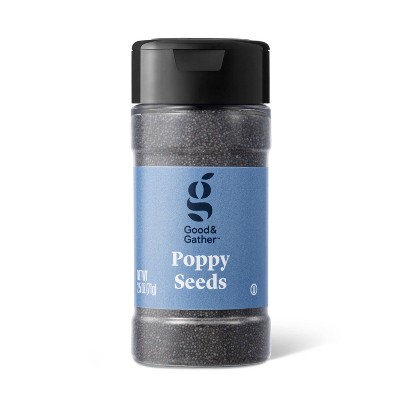
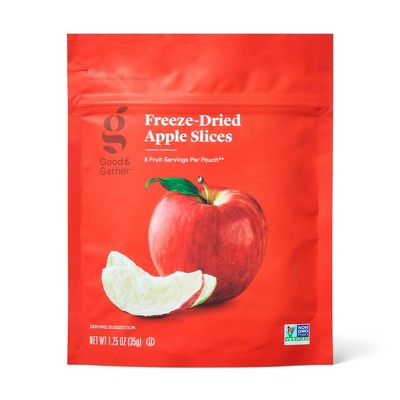
Sponsored
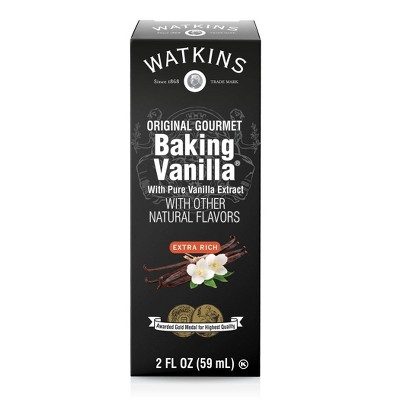
$5.29($2.65/fluid ounce)
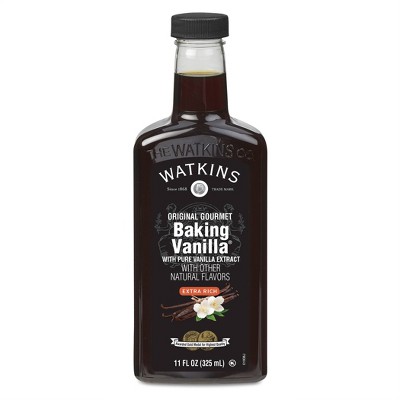
$12.29($1.12/fluid ounce)
Loved for: rich flavor
SNAP EBT eligible
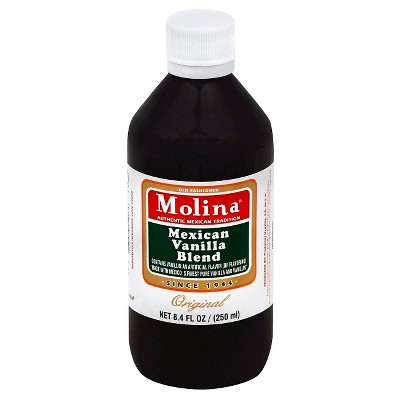
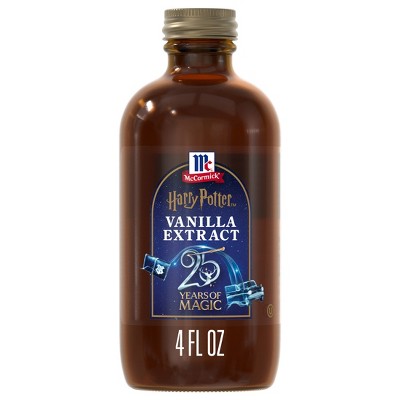
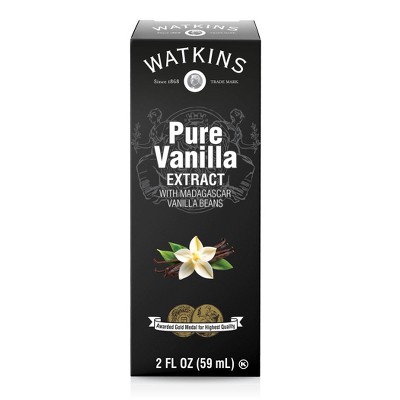
$9.99($5.00/fluid ounce)
Loved for: rich flavor
SNAP EBT eligible
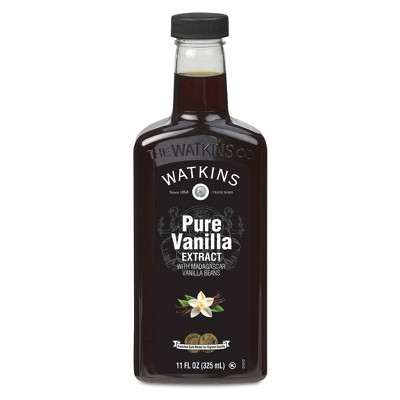
$24.99($2.27/fluid ounce)
was $38.49
New lower price
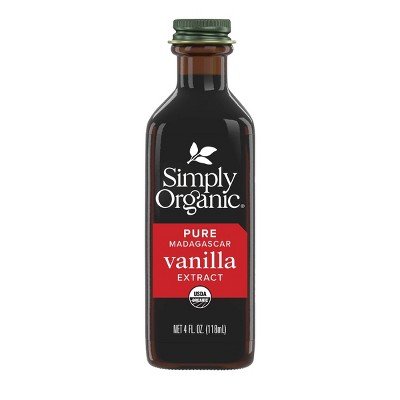
$17.79($4.45/fluid ounce)
Loved for: rich flavor
SNAP EBT eligible
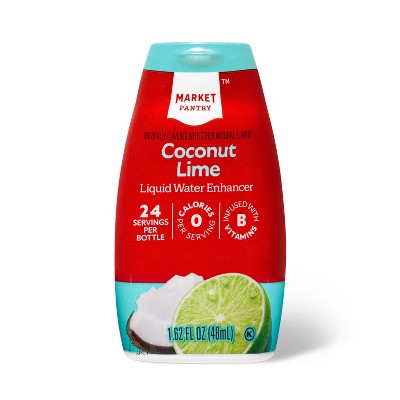
Related deals
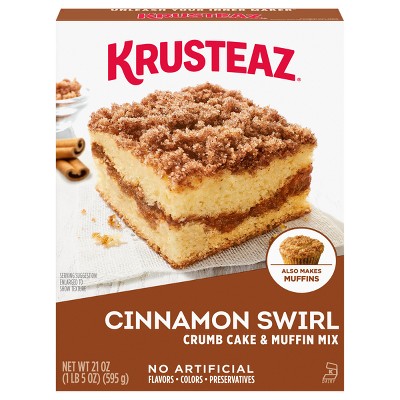
- $3.99($0.19/ounce)Buy 2 for $6 Krusteaz muffin mixes4.8 out of 5 stars with 884 ratings
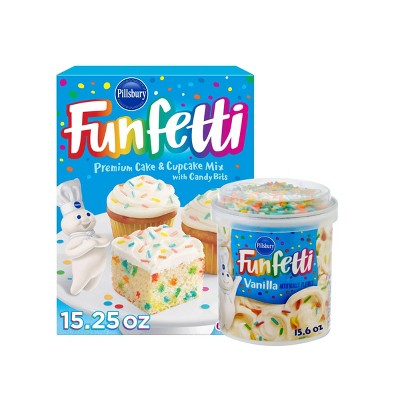
- $3.49($0.23/ounce)reg $4.29 Sale4.7 out of 5 stars with 267 ratings
Sponsored
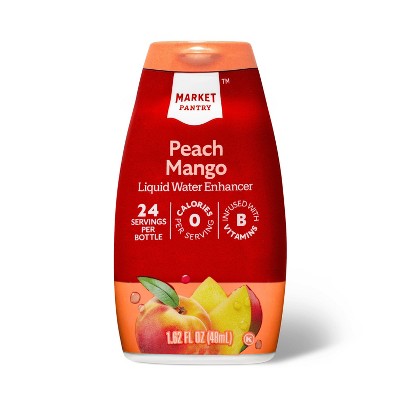
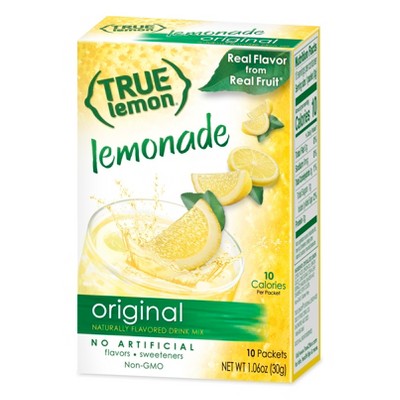
SNAP EBT eligible
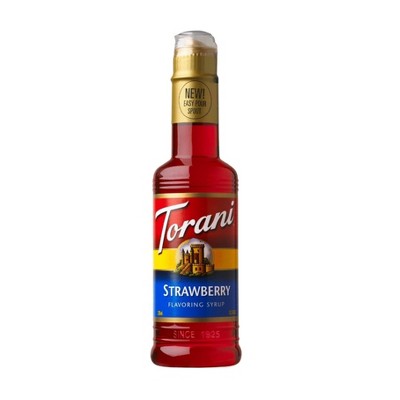
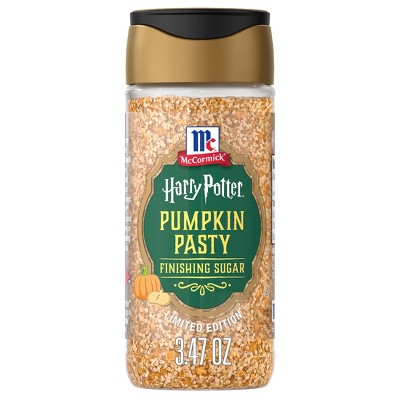
Sponsored
Powered by AI
Guests also ask:
Related searches
- corn extract
- mccormick lemon extract
- strawberry extract
- raspberry extract
- cinnamon extract
- blueberry extract
- cherry extract
- garlic extract
- anise extract
- spearmint extract
- coconut extract
- maple extract
- organic vanilla extract
- mexican vanilla extract
- pure vanilla extract
- mccormick extract
- white vanilla extract
- ginger extract
- pure mint extract
- epic xylitol
Trending now
- $29.99($5.00/fluid ounce)4.8 out of 5 stars with 54 ratings
- $24.99($2.27/fluid ounce)was $38.49 New lower price4.8 out of 5 stars with 235 ratings