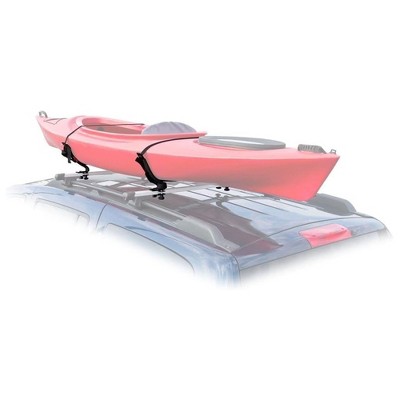
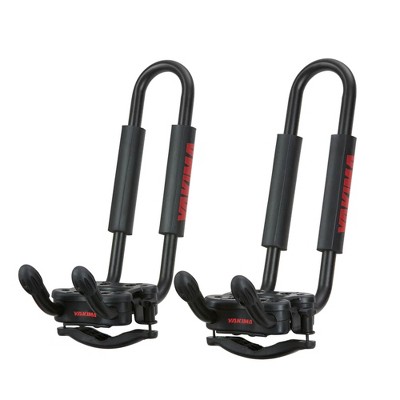
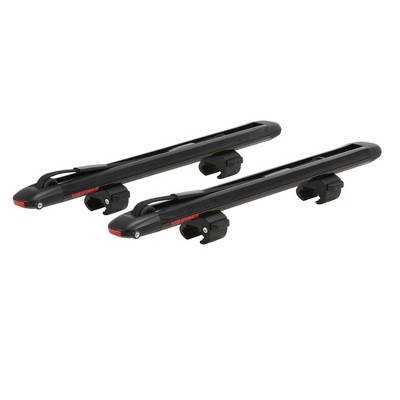
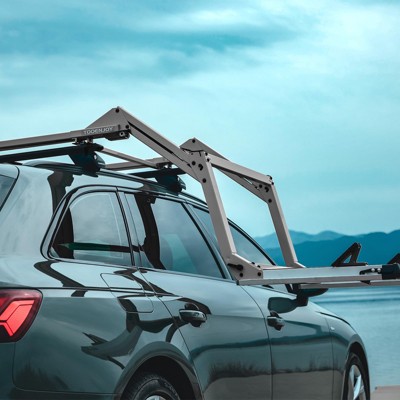
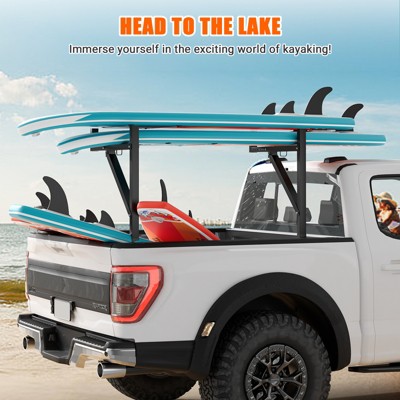
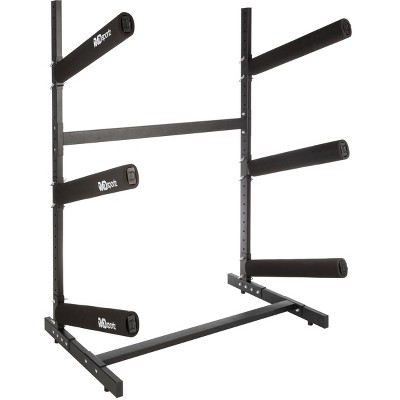
Listings use both counts and weight: many rooftop carriers are rated for a single kayak, many for two kayaks, and some stacker-style systems advertise capacity up to four boats (stacked). Actual capacity depends on the carrier design and the vehicle’s roof/crossbar limits.
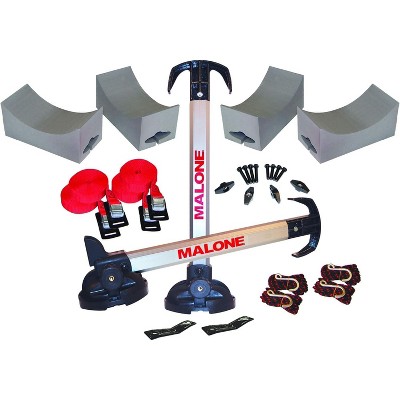
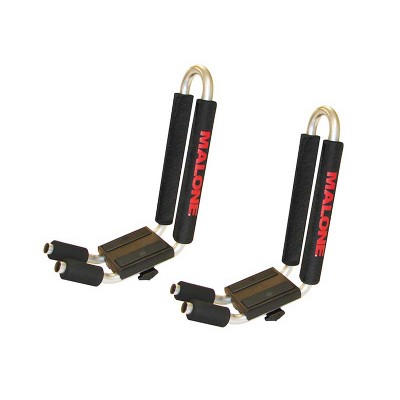
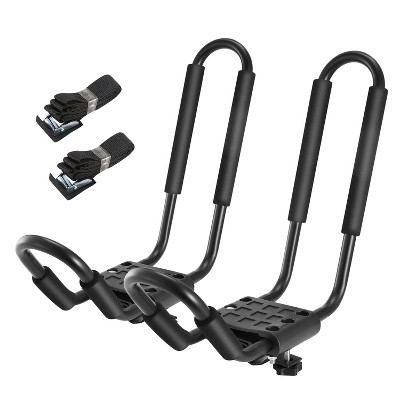
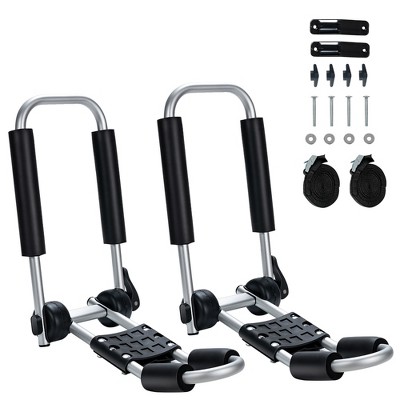
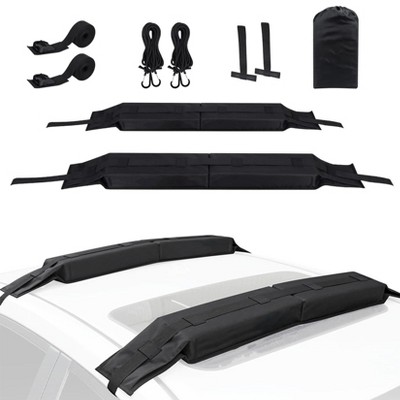
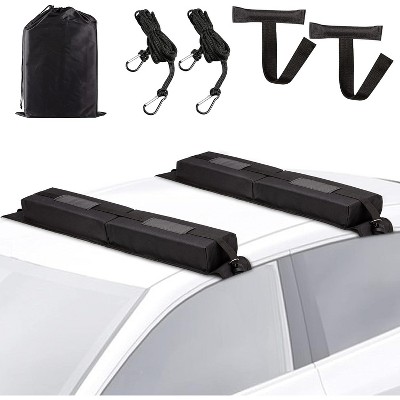
Manufacturers commonly use soft padding, oversized foam cushions, non‑slip or wear‑resistant pads, and protective brackets to cushion contact points. These features help absorb vibration, prevent rubbing, and reduce the risk of scratches to both the kayak and the vehicle roof.
It varies by type: soft rack pads and some load‑assist accessories are often tool‑free for quick on/off installation, while hard-mounted roof racks usually require assembly and fastening with hand tools. Some products include the necessary tools or hardware; others assume you have basic tools—always check the product listing and instructions before purchase.
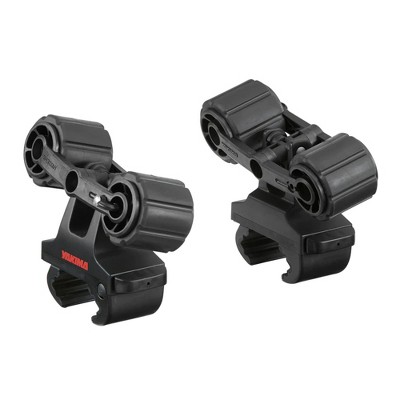
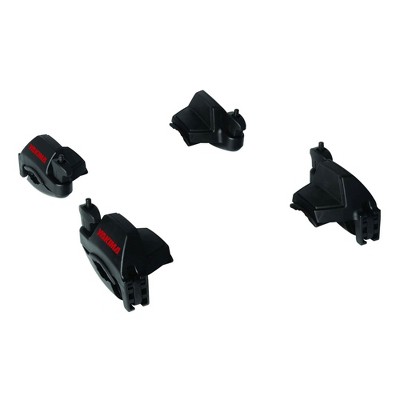
Carriers commonly list compatibility with round, square, flat, and aerodynamic (airfoil) crossbar shapes. Some specify compatible bar widths or diameters, and many stacker-style mounts offer universal clamps for factory rails and standard crossbar profiles.
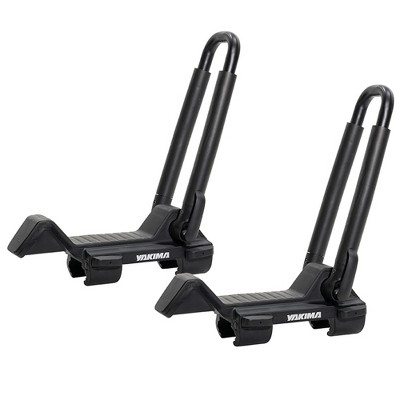
They use fold‑down hinges or pivoting arms with wide folding ranges (for example 0–180°) so saddles or trays collapse toward the roof. This creates a lower profile for improved aerodynamics and easier clearance for garages or driveways.
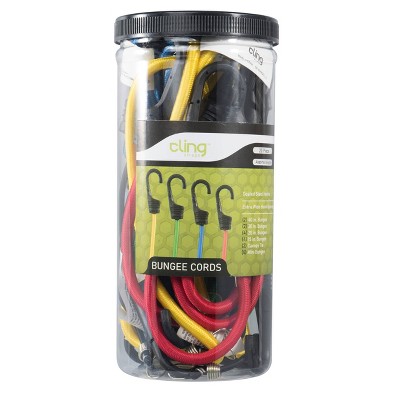
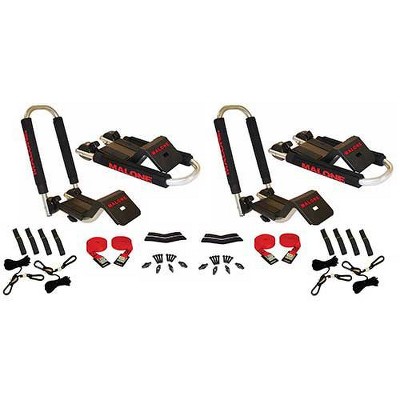
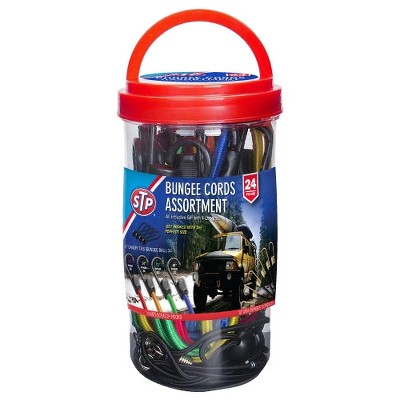
Package contents vary by product: several carriers include two long tie‑down straps, while others provide a bow-and‑stern strap set or separate heavy‑duty straps. Because the number and type of straps vary, check the product details to confirm exactly what’s included.